


From unclean drinking water to islands of plastic in the ocean, water pollution is a worldwide concern.
A recent publication in Scientific Reports explores the potential of using native microorganisms to remediate metals in industrial wastewater.
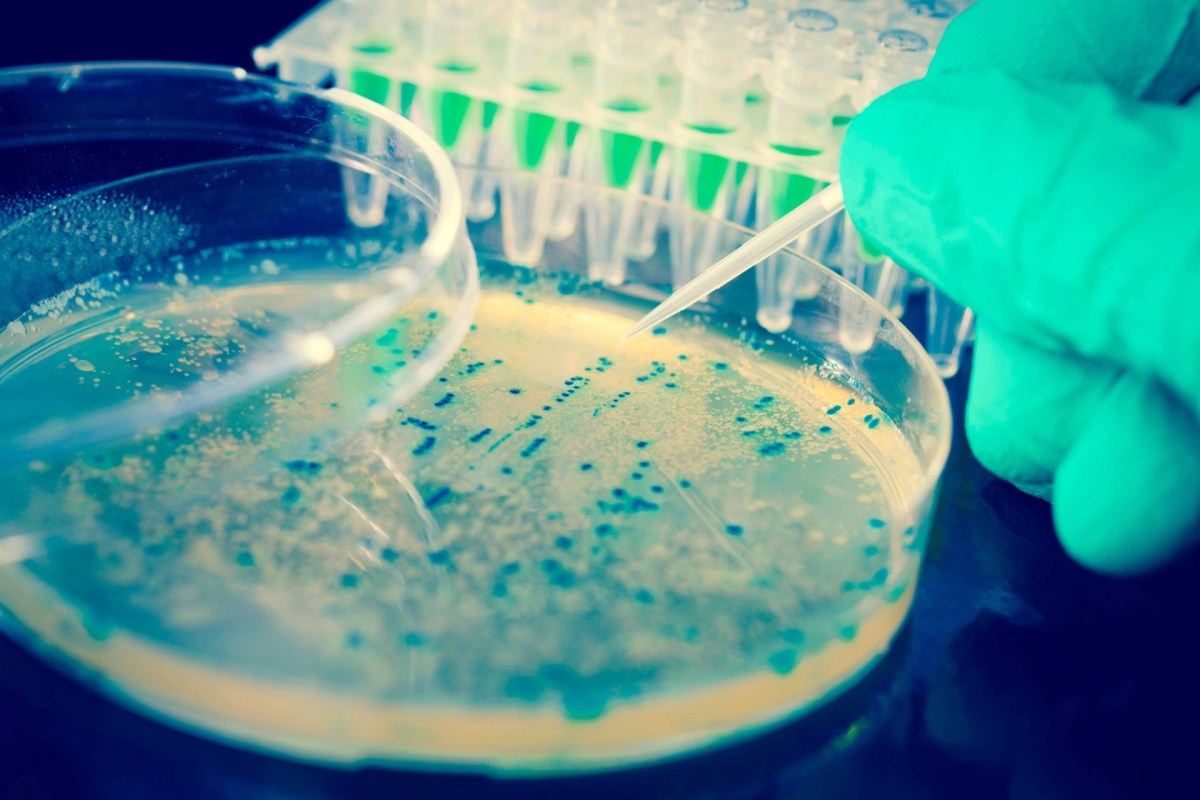
In the study, researchers collected industrial wastewater from the Hayatabad Industrial Estate in Pakistan and introduced two bacteria to the samples.
After a period of two weeks with the bacteria, the samples showed less metal presence. Both bacteria species, P. aeruginosa and E. aerogenes, were able to reduce concentrations of copper, cadmium, and lead in the water.
This process of using microorganisms to treat polluted substances is called bioremediation. According to the article, it "has emerged as a promising alternative for wastewater treatment."
Many contemporary techniques for cleaning wastewater require a lot of energy. These involve chemical precipitation, advanced oxidation processes, or filtration through specialized membranes.
TCD Picks » Quince Spotlight
💡These best-sellers from Quince deliver affordable, sustainable luxury for all




Bioremediation methods, like the one highlighted in this study, can be lower in cost and easier on the surrounding environment.
The experiment also found that plants grew better in water treated in this way compared to the plants exposed to untreated wastewater.
Bioremediation can be a powerful solution to the issue of chemical pollution in wastewater. These pollutants can damage ecosystems, contaminate water supplies, and harm humans who either ingest the water directly or consume it through the food chain.
Solving the pollution problem through natural means, especially indigenous microorganisms, can mean a lot for preserving ecosystems. Since it mimics processes undergone in nature, the process is more sustainable.
|
Do you think sewage pollution is a major problem in America? Click your choice to see results and speak your mind. |
 Yes 👍
Yes 👍 By neutralizing or removing many of the chemicals or heavy metals that do not belong in the water, these processes reduce the amount that can seep into the soil and eventually be consumed by humans and other animals through plants.
Even small amounts of certain elements can be dangerous to human health.
For example, cadmium, one of the elements studied in the article, can damage human skeletal respiratory systems and the kidneys. Lead can damage many organ systems and is particularly problematic for pregnant women and children.
Removing unwanted components from water also helps with water conservation, especially in drought-prone areas. Remediated wastewater can be used more safely in agriculture or other industries.
Finally, bioremediation has a lower energy cost on the planet. Many contemporary wastewater treatment processes are very energy-intensive, but microorganisms produce far fewer pollutants in the remediation process.
In the article's conclusion, the authors note that bioremediation techniques may currently be best paired with another in a hybrid system to balance pollutant capture with sustainability.

Join our free newsletter for weekly updates on the latest innovations improving our lives and shaping our future, and don't miss this cool list of easy ways to help yourself while helping the planet.






