


If you've ever completed a labor-intensive landscaping project in your backyard, then you've probably dug up your fair share of soil. And chances are, you may have found some surprising objects underneath the surface.
One homeowner was so perplexed by something they uncovered in their backyard that they took to the r/landscaping Reddit forum to try to find some answers. In their post, the Redditor shared a picture of a sizable object that temporarily put their gardening plans on hold.
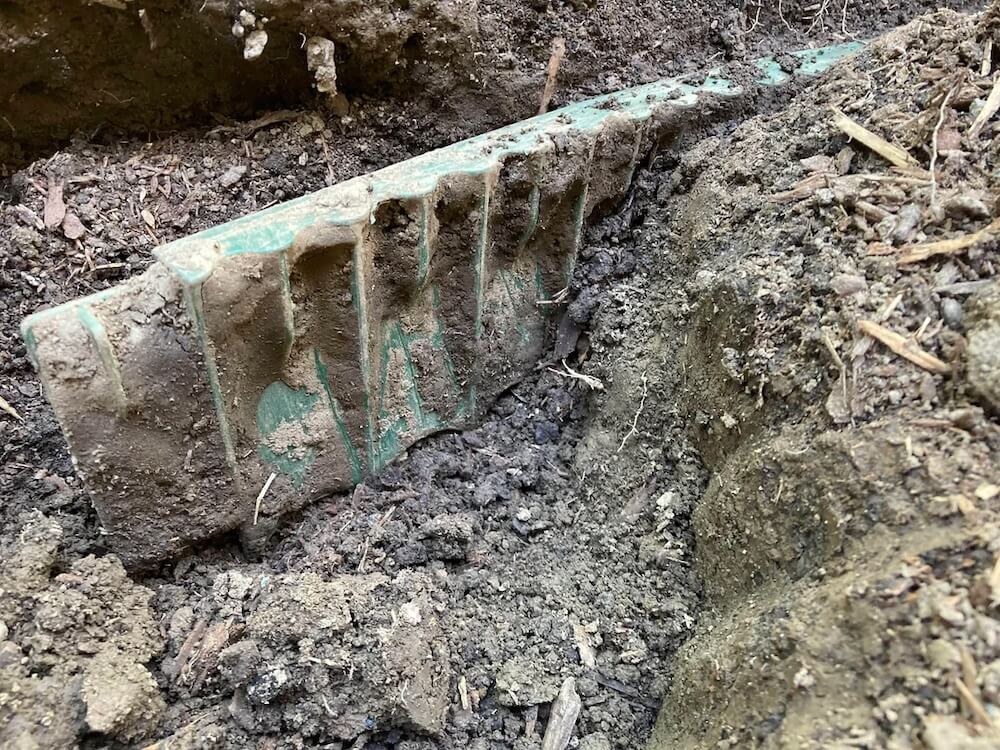
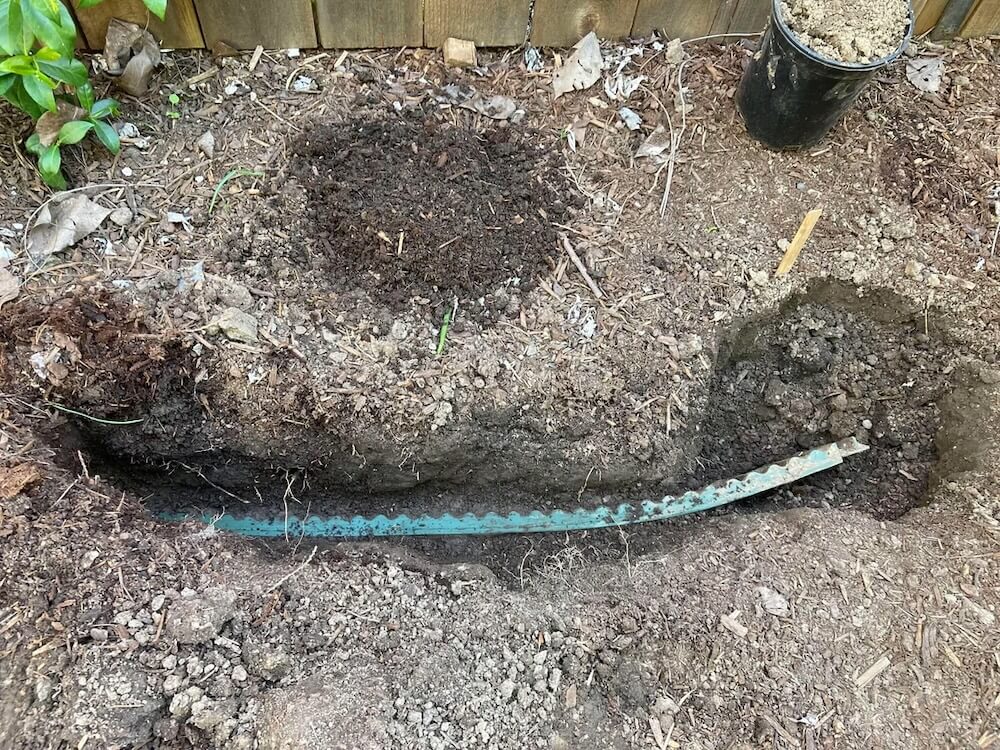
"I was digging a hole for another plant and came upon the edge of this hard plastic object buried about 4-6 inches deep," the confused homeowner wrote. "So far it runs 4+ ft underground in a rough parallel to the fence line, which is about 3-4 ft away. What could it be, and what is its purpose?"
Thankfully for the original poster, several users in the comments section appeared to correctly identify what the buried object was.
"It looks like edging buried to keep grass runners from tunneling under," one commenter noted.
"Weed barrier. Maybe the neighbours have, or had, bamboo or some aggressive weed," a second user suggested.
TCD Picks » Quince Spotlight
💡These best-sellers from Quince deliver affordable, sustainable luxury for all




Another commenter potentially located the exact edging product. "I think [it] is this," they wrote.
The purpose of an edging barrier in landscaping is to create a defined separation between different areas, such as lawns, garden beds, and even pathways. While they may serve as a functional barrier to prevent grass and weeds from making their way into garden beds, they can ultimately cause more harm than good.
Over time, plastic edging can degrade into microplastics due to weathering and general exposure. These microplastics contaminate the soil, potentially affecting soil health and plant growth. Microplastics can also enter the food chain through plant uptake and pose risks to both wildlife and humans.
As an eco-friendly option to artificial weed barriers, native plants can be a great way to suppress weeds naturally. Planting a native garden can encourage plants to outcompete weeds with their dense growth and ability to grow deeper roots. Native ground cover plants can also be an excellent option to prevent weeds from establishing while also requiring less maintenance and watering.
|
What's the hardest thing about taking care of your yard? Click your choice to see results and speak your mind. |
 Mowing the lawn 🏡
Join our free newsletter for easy tips to save more and waste less, and don't miss this cool list of easy ways to help yourself while helping the planet.







