


A 13-year-old Pennsylvania middle schooler won a statewide science contest after inventing a high-tech tool with the potential to revolutionize agriculture and landscaping, LehighValleyNews.com reported.
The artificial intelligence-powered invention could prevent thousands of tons of chemical pesticides from entering the world's waterways every year.
Aryash Shyam, an eighth grader in Bethlehem, was recognized as the state's merit winner for the 2025 3M Young Scientist Challenge for his invention known as the GreenBeam.
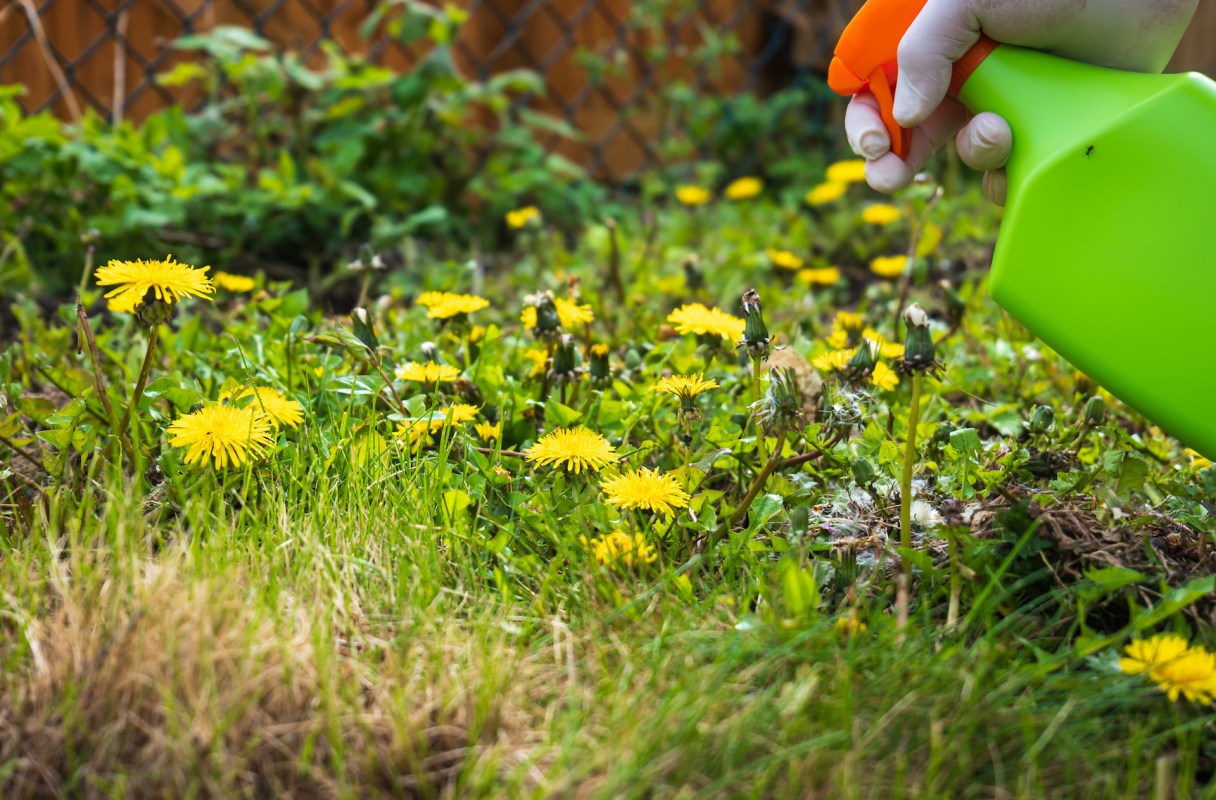
The GreenBeam is an AI-powered, self-driving robot that kills weeds by zapping them with a laser, eliminating the need for chemical pesticides, which are bad for human health and the environment.
"It brings me closer to my goal of using science to help people," said Shyam, per Lehigh Valley News.
According to Shyam, the inspiration for the GreenBeam came after he noticed the large amounts of chemicals that people in his neighborhood were applying to their lawns. Curious, Shyam further investigated where these chemicals go once they soak into the ground and wash down storm drains.
TCD Picks » Quince Spotlight
💡These best-sellers from Quince deliver affordable, sustainable luxury for all




What he learned inspired him to invent a better way of doing things.
Globally, the agricultural industry applies roughly 3.3 million tons of chemical pesticides every single year, with about 77,000 tons of the toxic chemicals ending up in aquifers, according to a study published in the journal Nature.
Exposure to pesticides can be extremely harmful to human health, especially for agricultural workers and those living in agricultural communities.
Short-term effects of pesticide exposure can include "stinging eyes, rashes, blisters, blindness, nausea, dizziness, diarrhea and death," according to the advocacy group Californians for Pesticide Reform. Long-term impacts include cancer and birth defects.
|
Do you think the government should ban gas-powered lawn tools? Click your choice to see results and speak your mind. |
 No way 🙅
 As Shyam learned, the environmental impacts of agricultural chemicals can be just as catastrophic.
Going so far as to interview a New Zealand-based marine biologist, Shyam discovered that chemical pesticides make their way into waterways and the ocean, raising water temperatures and allowing ecosystem-disrupting algae to bloom out of control, according to Lehigh Valley News.
By using AI-guided lasers rather than harsh chemicals to combat weeds, Shyam hopes to reduce or eliminate the negative impacts that agricultural chemicals have on human health and the environment.
"If we don't do something to stop it, the effects will keep getting worse," said Shyam, per Lehigh Valley News.
Shyam trained GreenBeam's AI to decipher weeds from other plants using a database of weed photos from the University of Sydney in Australia, and a GreenBeam prototype is being tested at Penn State University's biotechnology lab.
"I just feel he's focused on the right things," said Sona Shyam, Aryash's mother, per Lehigh Valley News. "He's using it to improve society and make advancements in the tech field."
"So we're all excited about all the innovations he's going to come up with."
While not everyone can invent an AI-powered, self-driving, laser-wielding robot capable of zapping away weeds, there are plenty of things that anyone can do to reduce the amount of chemical pesticides in our communities and environment.
By avoiding the use of chemical pesticides in your own yard, planting a native garden, or buying organic fruits and vegetables, you can reduce the amount of toxic chemicals entering the environment and help protect vital insects such as pollinators.

Join our free newsletter for weekly updates on the latest innovations improving our lives and shaping our future, and don't miss this cool list of easy ways to help yourself while helping the planet.






