


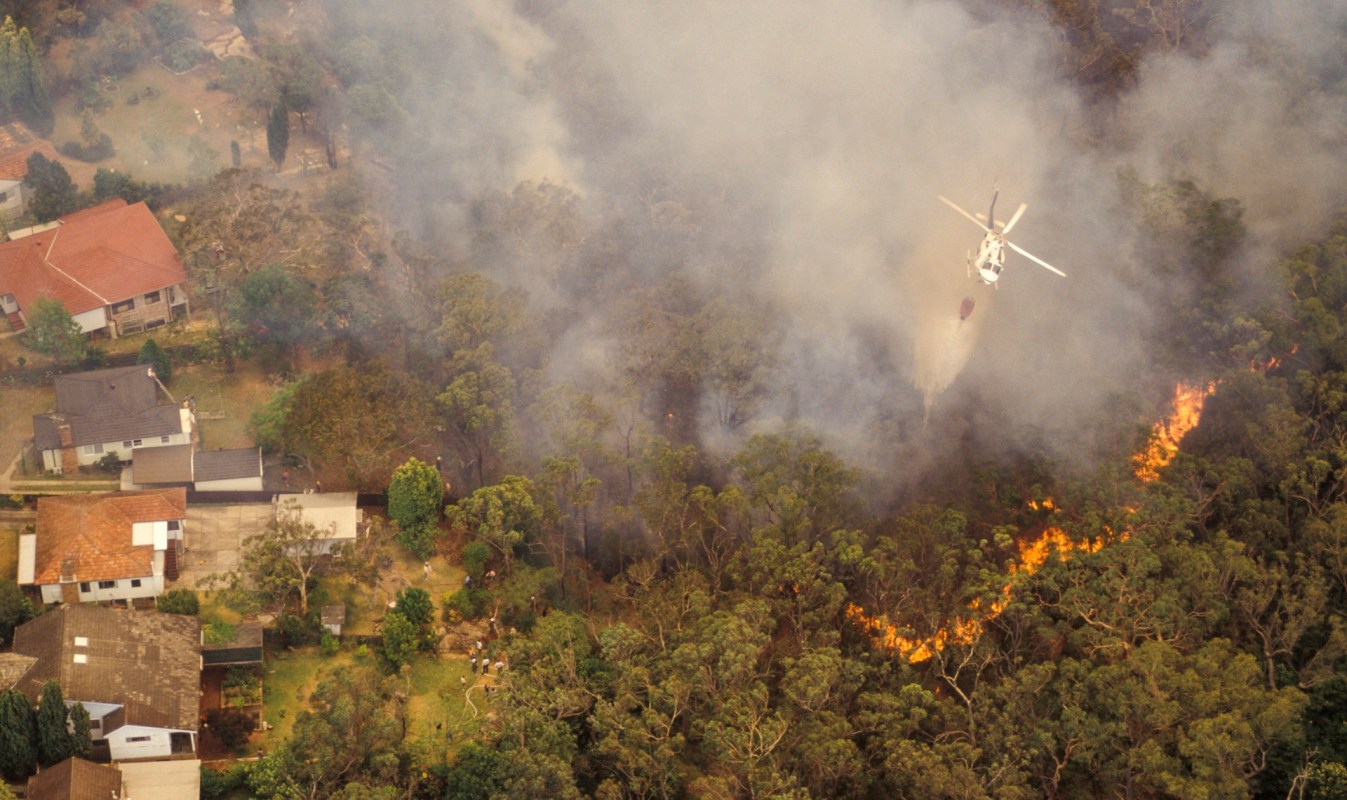
New data has revealed many Australian households are facing a devastating risk by going without home insurance.
What's happening?
The Melbourne Institute and the Australia Institute have found more than 340,000 Australian homes are entirely uninsured, while another 530,000 are underinsured — meaning their policies wouldn't come close to covering the costs after a disaster.
Those numbers include over 300,000 homes still under mortgage. All told, the report estimates over 2 million people are exposed to financial ruin in the event of floods, fires, or storms — and it puts banks and the broader economy at risk.
According to an op-ed in The New Daily, this shortfall is especially dangerous as extreme weather becomes more frequent and destructive.
One in 20 Australians experienced damage to their homes from a weather-related disaster in 2022 — the highest level ever recorded. For middle-income households without insurance, a disaster could wipe out up to 74% of their wealth.
Why is this concerning?
The cost of insurance is climbing everywhere. The New Daily reported that home insurance rates in Australia rose by 14% from 2022 to 2023, the biggest increase in a decade.
TCD Picks » Quince Spotlight
💡These best-sellers from Quince deliver affordable, sustainable luxury for all




A big reason for the price hikes is the worsening impact of extreme weather events. As global temperatures rise due to human-generated pollution, insurance companies are paying out more and passing those costs on to consumers.
On top of that, insurance is hard for some homeowners to get at all, as we've seen insurance companies pull out of risky regions such as California where there is an elevated risk of property destruction from extreme weather.
Banks holding mortgages also face enormous losses, threatening ripple effects across the entire economy. With over $100 billion tied up in inadequately insured loans, Australia's financial system is on shaky ground.
What's being done about it?
Action must address both sides of the crisis — the rising cost of coverage and escalating climate-related disasters. That means tackling pollution from fossil fuels like oil and gas, which is overheating our planet and supercharging disasters.
|
How much money do you plan to spend on home improvement projects this year? Click your choice to see results and speak your mind. |
 Under $1K 😎
 It just so happens that Australia is the second-largest exporter of fossil fuels (by carbon dioxide emissions) and has 20 new extraction projects in the works, as The New Daily reported.
According to The New Daily, some Australians are calling to end government subsidies to polluting industries, which totaled nearly $15 billion in 2024. Redirecting those funds toward climate adaptation — like upgrading public infrastructure and creating a National Climate Disaster Fund — could make insurance more affordable and communities better protected.
There are also calls to tax big polluters to fund these initiatives, holding the industries most responsible for the crisis accountable for the recovery.
One way to help slow the warming of the planet is to explore the drivers behind critical climate issues yourself before finding ways to help guard against them in your community.

Join our free newsletter for good news and useful tips, and don't miss this cool list of easy ways to help yourself while helping the planet.






