


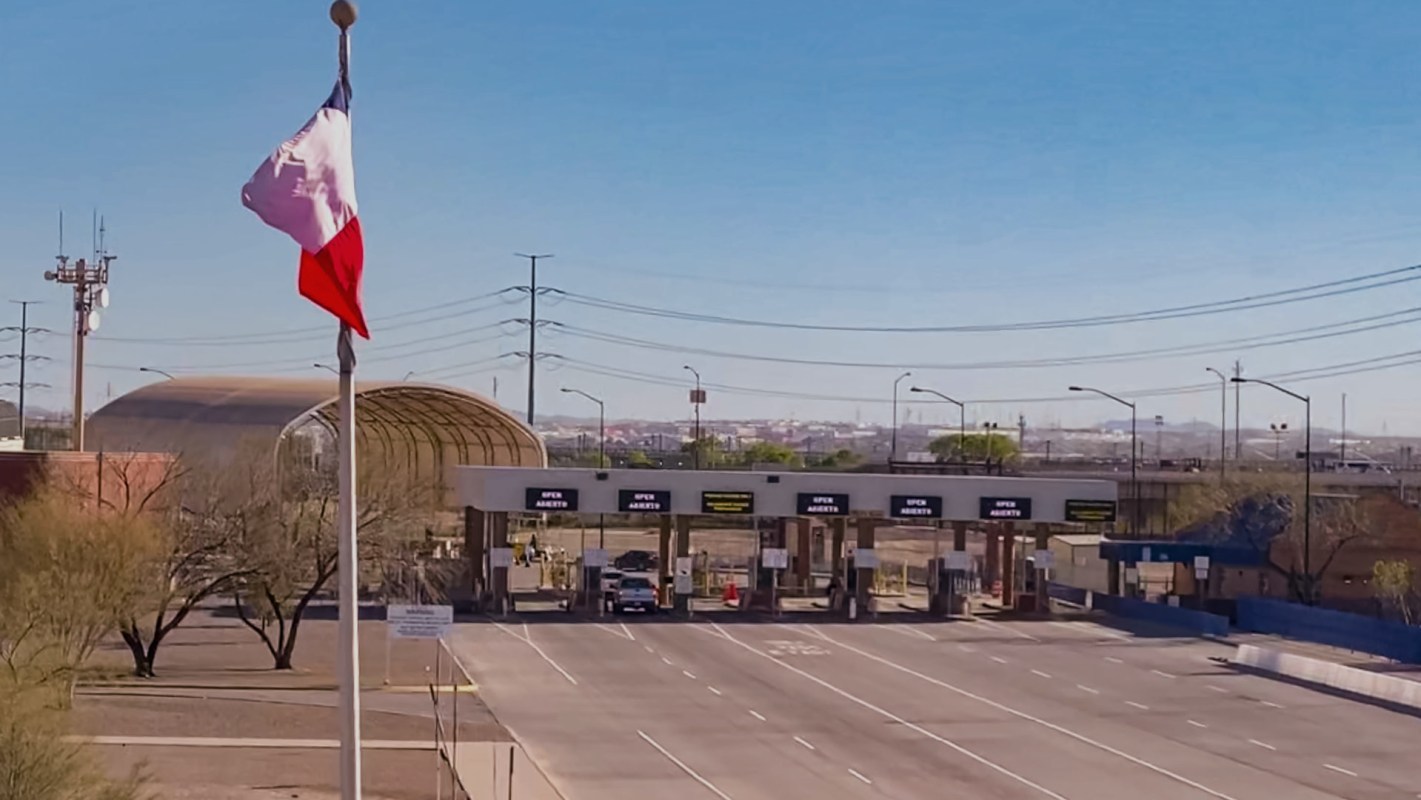
Experts have sounded the alarm after determining that miles of new border wall slated for Arizona would cut off migration routes that local wildlife have relied on for millennia, KVOA Tucson reported.
The border wall installation would impact iconic species like black bears, pronghorn, and the endangered jaguar, warned the Center for Biological Diversity in a press release.
Russ McSpadden, the Center's southwest conservation advocate, said in the press release that the wall "is an ecological assault on one of the most important wildlife corridors in North America."
What's happening?
In June, the Department of Homeland Security awarded a $300 million contract to build 27 miles of 30-foot-tall border wall in Santa Cruz County, Arizona, U.S. Customs and Border Protection announced at the time.
Secretary of Homeland Security Kristi Noem used her waiver authority to exempt the project from applicable environmental laws, a move the government said was necessary "to ensure the expeditious construction of physical barriers and roads, by minimizing the risk of administrative delays," per a CBP press release.
Experts have warned that the barrier's construction, particularly in the absence of typical environmental regulations, could be catastrophic for local wildlife.
TCD Picks » Quince Spotlight
💡These best-sellers from Quince deliver affordable, sustainable luxury for all




The planned border wall would sever a vital wildlife corridor that connects protected areas in Arizona and Sonora, Mexico, per the Center for Biological Diversity.
"The beautiful and isolated San Rafael Valley is one of the ecological gems of the American Southwest and it provides a critical lifeline for endangered jaguars," said McSpadden in the Center's press release. "Walling it off will prevent wildlife from moving between the U.S. and Mexico and could lead to the ultimate elimination of jaguars from their rightful home in Arizona."
"That would be a tragedy for the state and a painful blow for beautiful big cats that once roamed the Grand Canyon," he added.
Experts have said barriers like the ones the Trump administration intends to install block all but the tiniest of creatures from passing.
|
Do you worry about air pollution in your town? Click your choice to see results and speak your mind. |
 All the time 💯
 "What we know from our research is that the border walls … actually stop 86 percent of all animals that attempt to cross the border," said Emily Burns, program director for Sky Island Alliance, per KVOA. "So really it's only the smallest animals that can get through."
In addition to the 30-foot-tall physical barriers, high-intensity, industrial floodlights were slated to be installed as part of the project.
The Center for Biological Diversity warned that the impacted area is "one of the darkest remaining regions on the Arizona-Sonora border" and that the bright lights would end up "disrupting migratory birds, nocturnal pollinators and mammals dependent on natural light cycles."
Why is animal migration important?
Animal migration is essential to the maintenance of local economies, food supplies, and ecosystems around the globe.
"Migratory animals are essential components of the ecosystem that support all life on Earth," according to the Convention on the Conservation of Migratory Species of Wild Animals. "By acting as pollinators and seed distributors they contribute to ecosystem structure and function. They provide food for other animals and regulate the number of species in ecosystems."
Additionally, migratory species contribute to local economies and cultural practices.
Subsistence, commercial, and recreational hunting and fishing pour billions of dollars into local economies, while ecotourists like bird watchers and whale watchers head to specific regions at particular times of year in the hopes of a rare sighting.
Further, migratory species perform ecosystem services, such as birds helping farmers by eating destructive insects, according to the website for World Migratory Bird Day.
What's being done about the disruption of animal migratory patterns?
Because one of the leading threats to migratory patterns is habitat loss, there are plenty of things we can do to help migratory species, even in our own backyards.
For example, the U.S. Fish and Wildlife Service has recommended creating a backyard wildlife garden by adding pollinator-friendly, native plants, or joining a local stream restoration project.
These actions help restore the habitats that migratory animals rely on throughout their travels.

Join our free newsletter for weekly updates on the latest innovations improving our lives and shaping our future, and don't miss this cool list of easy ways to help yourself while helping the planet.






