


Food waste is a significant issue worldwide, and although some retailers are attempting to address the problem, others have policies that actually contribute to increased food loss.
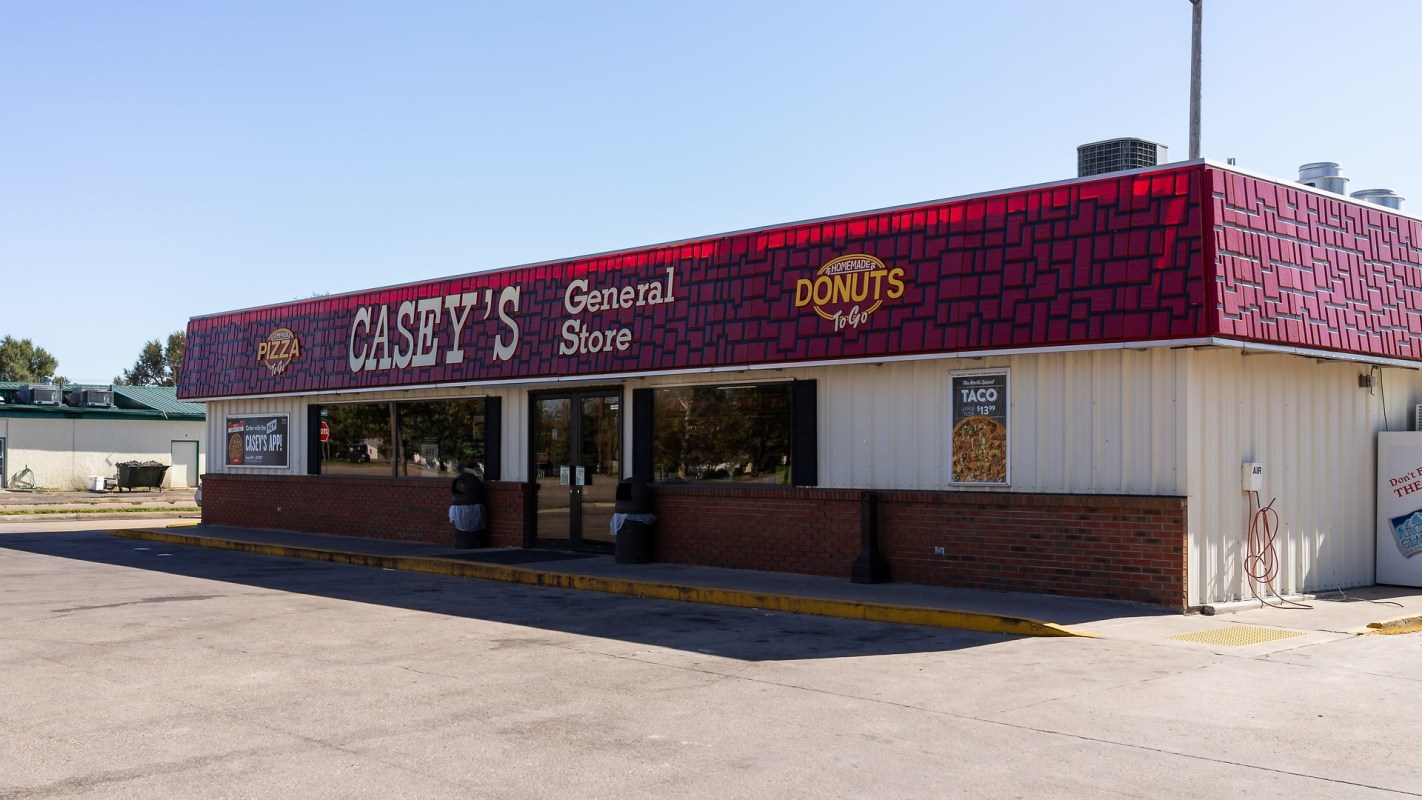
One Reddit user shared a frustrating account from a gas station employee who tried to give away extra food and was later charged with theft, sparking a discussion about wasteful company practices.
What happened?
The original poster shared in the r/Caseys subreddit — the convenience store where the incident took place — that they'd heard about the case while in court fighting a traffic ticket.
"The case was the employee was taking out the food that had been under heat that hadn't been sold in the last hour and instead of trashing it, she was giving it to some guy who would just happen to be there a few times a day it seemed," the OP wrote. "... Employee denied everything of course, but judge didn't buy it for a second and charged her."
After listening to the case, the OP gathered that hot food can only be kept out for a certain amount of time before it's deemed expired, and employees are instructed to discard what doesn't sell. Sadly, much of the food is likely still safe to eat, but because of company policy, employees aren't allowed to donate or give away unsold items.
"That's actually pretty standard amongst all gas stations that make food as well," one commenter said.
TCD Picks » Quince Spotlight
💡These best-sellers from Quince deliver affordable, sustainable luxury for all




There are apparently exceptions to the rule, though. "That's wild to hear. I worked at Kum and Go for a few months and we donated all our timed food to a shelter so people could reheat and eat," another user said.
Someone else speculated why the employer may not feel comfortable giving away extra food, writing: "When I was working in food service the reasons given to me were that if employees catch on that they are allowed to take food that's 'expired' (even by a minute) that they may begin to over stock on items so that when they expire, the employees know they will get them = higher food waste. (This is where the theft comes into play). The other reason is liability if someone claims to get sick from an item."
Why is food waste concerning?
A shocking amount of food goes to waste in the United States each year. According to Feeding America, around 40% of the food supply is wasted, which equates to roughly 92 billion pounds of food. Some of the discarded items, they noted, have "upcoming sell-by or expiration dates (food is often still safe to eat)."
As food decomposes in landfills, it releases potent gases, such as methane, that contribute to rising global temperatures. In addition, the precious resources it takes to grow food, including land, water, energy, labor, and fertilizers, are also squandered when food goes uneaten or unsold.
|
Do you worry about how much food you throw away? Click your choice to see results and speak your mind. |
 Definitely 😭
 Feeding America also noted that 47 million people in the U.S. face food insecurity, including one in five children. Some of the food deemed safe to eat from gas stations could likely be donated to food banks to help families in need.
Are companies doing anything about this?
If food is still OK to eat, some grocers, such as Kroger and Trader Joe's, have been known to donate or give away items during power outages that knocked out their freezers.
In addition, nonprofits and apps such as Too Good To Go and Flashfood are making a dent in the food waste issue by helping people access free or discounted food from restaurants and grocers.
For the reasons stated above, the ability of gas stations to donate food may be limited because of food safety concerns and liability.
What's being done about food waste more broadly?
Several organizations, including FoodCloud and the Pacific Coast Food Waste Commitment, have launched programs to connect people in need with surplus food and educate front-line workers at restaurants on how to prevent food waste.
At home, you can salvage food by planning ahead before grocery shopping and composting food scraps, which also serves as free fertilizer for your garden, helping your flowers and crops flourish.

Join our free newsletter for good news and useful tips, and don't miss this cool list of easy ways to help yourself while helping the planet.






