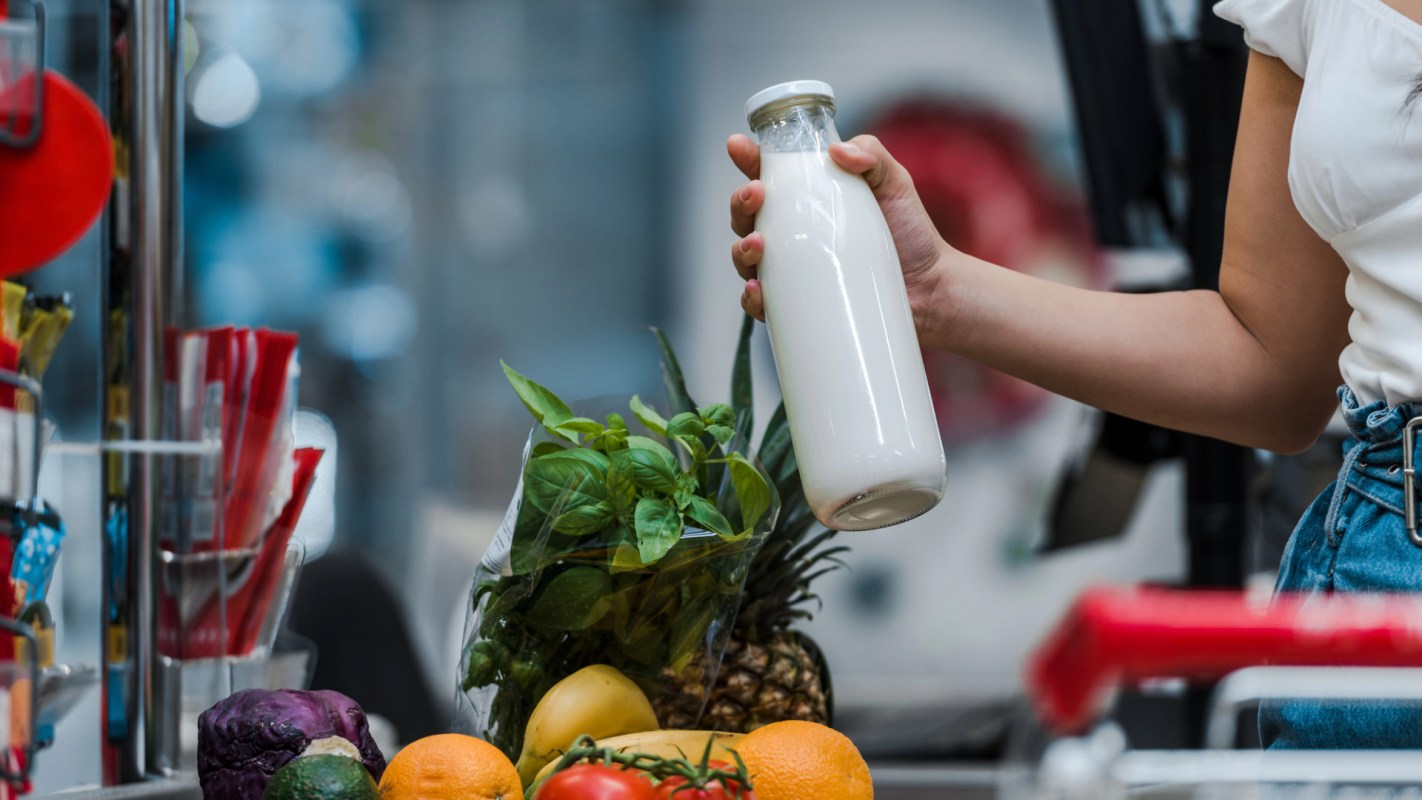
Australia's dairy sector is facing a major blow as ongoing floods and dry spells leave farmers with fewer options and higher costs.
What's happening?
According to news.com.au, climate-related shifts are affecting production, with experts saying everyday items such as milk and butter are about to get a lot more expensive.
Repeated climate shocks, from soaked fields to parched pastures, are straining Australia's dairy industry. Farmers are struggling to maintain herds and feed supplies, with many forced to reduce output or exit the business altogether.
These conditions make dairy products harder to produce and distribute, which pushes prices up. Families could soon see the effects at grocery stores, where staples such as cheese, yogurt, and milk may come with steeper price tags.
"I think the whole eastern seaboard is going to feel the shortage of milk and dairy products one way or the other," Joe Bradley, EastAUSmilk president, told The Age. "There's no ifs or buts … it's a disaster. Prices have to rise."
Why are dairy hikes concerning?
Food prices are already climbing, and dairy hikes will squeeze budgets even further. This hits lower-income households especially hard, adding pressure to weekly grocery bills.
TCD Picks » Good Store Spotlight
Get 10% off your next purchase with code TCD10

This issue also speaks to a bigger shift in the world's environmental state. Burning oil, coal, and gas fills the atmosphere with heat-trapping pollution, which warms the planet and throws weather patterns into chaos.
The result is fewer reliable growing seasons, more crop losses, and greater uncertainty across the food supply. Farmers carry the initial burden, but shoppers feel the cost soon after.
What's being done about dairy hikes?
Producers and researchers are responding with new tools and ideas. Some are switching to drought-hardy crops and upgrading water systems. Others are using different grazing and feeding approaches to keep cows healthy during dry months.
There are ways to adapt at home, too. Choosing local dairy, cutting food waste, and being flexible with shopping lists can all help. Especially helpful is being able to plan your grocery haul ahead of time and making sure your necessities are reviewed for affordability as things continue to change.
TCD Picks » Quince Spotlight
💡These best-sellers from Quince deliver affordable, sustainable luxury for all




|
Do you worry about how much food you throw away? Click your choice to see results and speak your mind. |
 Definitely 😭
Join our free newsletter for easy tips to save more and waste less, and don't miss this cool list of easy ways to help yourself while helping the planet.