


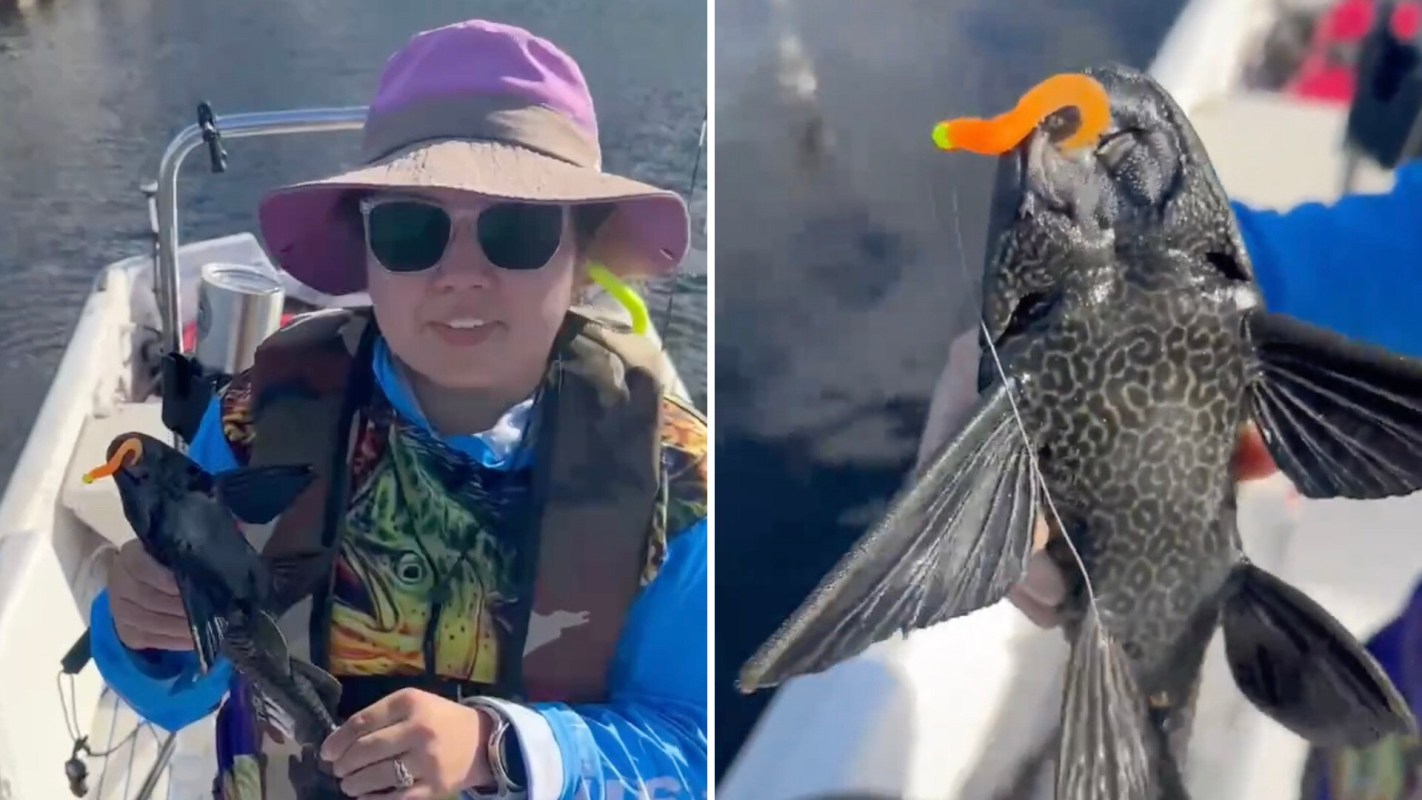
Invasive species can wreak havoc on local ecosystems. They can upend local plant and animal populations by consuming vital nutrients or food that native species depend on, and even affect humans' food supply.
But TikToker account Magda (@newtothewild) promoted an innovative, sustainable way to address an invasive species in Florida.
@newtothewild POV: You just found Florida's "zombie fish" 🧟♂️🐟 This armored algae-eater is one of the most invasive fish in our waters. People buy them for aquariums… then release them when they get huge (they grow over 2 feet long 😳). Now they've taken over lakes, canals, and rivers — and they: • survive in low-oxygen water • have almost no natural predators • dig burrows that cause shoreline erosion Basically… underwater iguanas. Here's the surprising part 👀 👉 They're actually edible and used in traditional dishes in Venezuela — it's even my dad's favorite 🇻🇪 Invasive species don't belong here… but they can be part of a sustainable food solution. Would you try it? 👇 #ZombieFish #InvasiveSpecies #FloridaTok #WildFood #EatInvasives ♬ original sound - newtothewild
In the video, the creator showed a fish she just caught called the pleco, which has extremely tough skin, like armor, and primarily feeds on algae on rocks. "Nothing can control this population except tough birds," the expert said.
She added, "A lot of people call these zombie fish … because these guys can survive a long time outside of the water."
In the video's caption, though, the host noted one way that other places have controlled the population: "They're actually edible and used in traditional dishes in Venezuela. Invasive species don't belong here… but they can be part of a sustainable food solution."
This is not the first time consumption has been suggested to deal with invasive species. For instance, state officials in Arkansas urged residents to catch and eat Asian carp that had invaded their waterways. And officials in Maryland had the same suggestion to deal with their exploding populations of invasive blue catfish, flathead catfish, and northern snakehead.
Eating invasive species is a novel, sustainable way to control unwanted visitors to an ecosystem, but people can also take action in their communities to help preserve ecosystems. Talking about climate issues with friends and family can also help spread awareness and prevent people from accidentally introducing or encouraging invasive species in their communities.
Commenters on the original post were shocked by the fish.
One said, "That thing is terrifying."
Another explained why the Pleco can be so dangerous: "They out compete everything else while eating all the vegetation and other species' eggs leaving lakes barren."
TCD Picks » Quince Spotlight
💡These best-sellers from Quince deliver affordable, sustainable luxury for all




|
What's the most you'd pay per month to put solar panels on your roof if there was no down payment?
Click your choice to see results and speak your mind. |
 $200 or more 💰
Get TCD's free newsletters for easy tips to save more, waste less, and make smarter choices — and earn up to $5,000 toward clean upgrades in TCD's exclusive Rewards Club.
Cool Picks




