


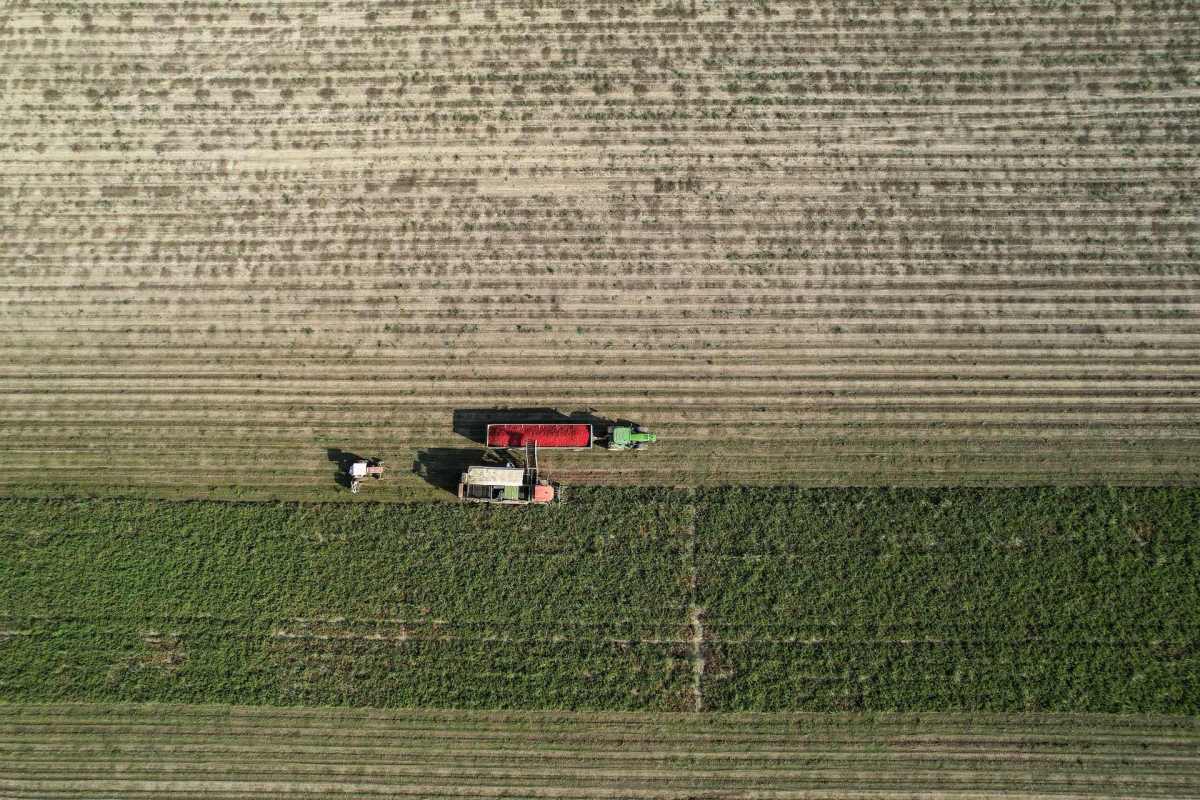
The prices of jasmine and tomatoes have risen in parts of India due to heavy rain and high humidity.
What's happening?
Flower and vegetable belts in Dharmapuri and Madurai are dealing with high humidity and persistent rainfall. This has reduced crop production, which has driven up the retail prices of tomatoes and jasmine.
"An acre can give 20 tonnes of tomato, but I barely got four tonnes this time," farmer S Muniappan of Palacode explained to The New Indian Express.
"The rains have damaged the flowers. We spend over Rs 50,000 per acre every month on pesticides and fertilisers but still can't make a profit."
Tomatoes are among the hardest-hit crops this monsoon season. As a result, the price of tomatoes went from around Rs 20 ($0.22) to Rs 25 ($0.28) to roughly Rs 55 ($0.61) to Rs 60 ($0.67), a nearly 50% increase.
Jasmine has also been hard hit, with prices increasing to as much as Rs 2,000 ($22.19) to Rs 2,500 ($27.74).
Perk up the winter blues with natural, hemp-derived gummies Camino's hemp-derived gummies naturally support balance and recovery without disrupting your routine, so you can enjoy reliable, consistent dosing without guesswork or habit-forming ingredients. Flavors like sparkling pear for social events and tropical-burst for recovery deliver a sophisticated, elevated taste experience — and orchard peach for balance offers everyday support for managing stress while staying clear-headed and elevated.
Learn more → |

Why are crop failures concerning?
Rising global temperatures exacerbate extreme weather events, such as droughts, heavy rainfall, hailstorms, and more. These conditions can destroy crop production, and farmers around the globe are facing significantly reduced yields.
Farmers in Eastern Europe have suffered decreased crop output due to extreme drought and soil temperatures reaching up to 140 degrees Fahrenheit. Meanwhile, farmers in North Dakota faced a 2025 growing season full of tornadoes and flooding, which wiped out crops.
Unfortunately, as long as the world continues to use energy sources like coal and oil that contribute to the planet's overheating, extreme weather will get stronger and last longer, leading to more crop losses.
Increased crop losses will cause farmers to lose significant income, which could lead to the shuttering of farms and fewer agricultural jobs.
TCD Picks » Upway Spotlight
💡Upway makes it easy to find discounts of up to 60% on premium e-bike brands




|
What is the biggest reason you don't grow food at home? Click your choice to see results and speak your mind. |
 Not enough time ⏳
 In turn, fewer farms and crops will contribute to food shortages, destabilized food supply chains, and higher costs for consumers for what food remains.
Eventually, extreme weather may even damage the environment and soil enough that growing crops in the future could prove more challenging.
How can farmers protect crops?
Researchers around the globe have developed numerous technological advances to help farmers protect crops.
Some researchers are working to genetically modify plants to better withstand extreme weather. Bayer Crop Science has partnered with Midwest farmers to test corn that doesn't grow as tall as regular corn, with the reduced height making it more resilient to strong winds.
Others are utilizing AI and similar technologies to better monitor plants, such as researchers at the University of California, Davis, who are working with predictive modeling.

Get TCD's free newsletters for easy tips to save more, waste less, and make smarter choices — and earn up to $5,000 toward clean upgrades in TCD's exclusive Rewards Club.
Cool Picks




