


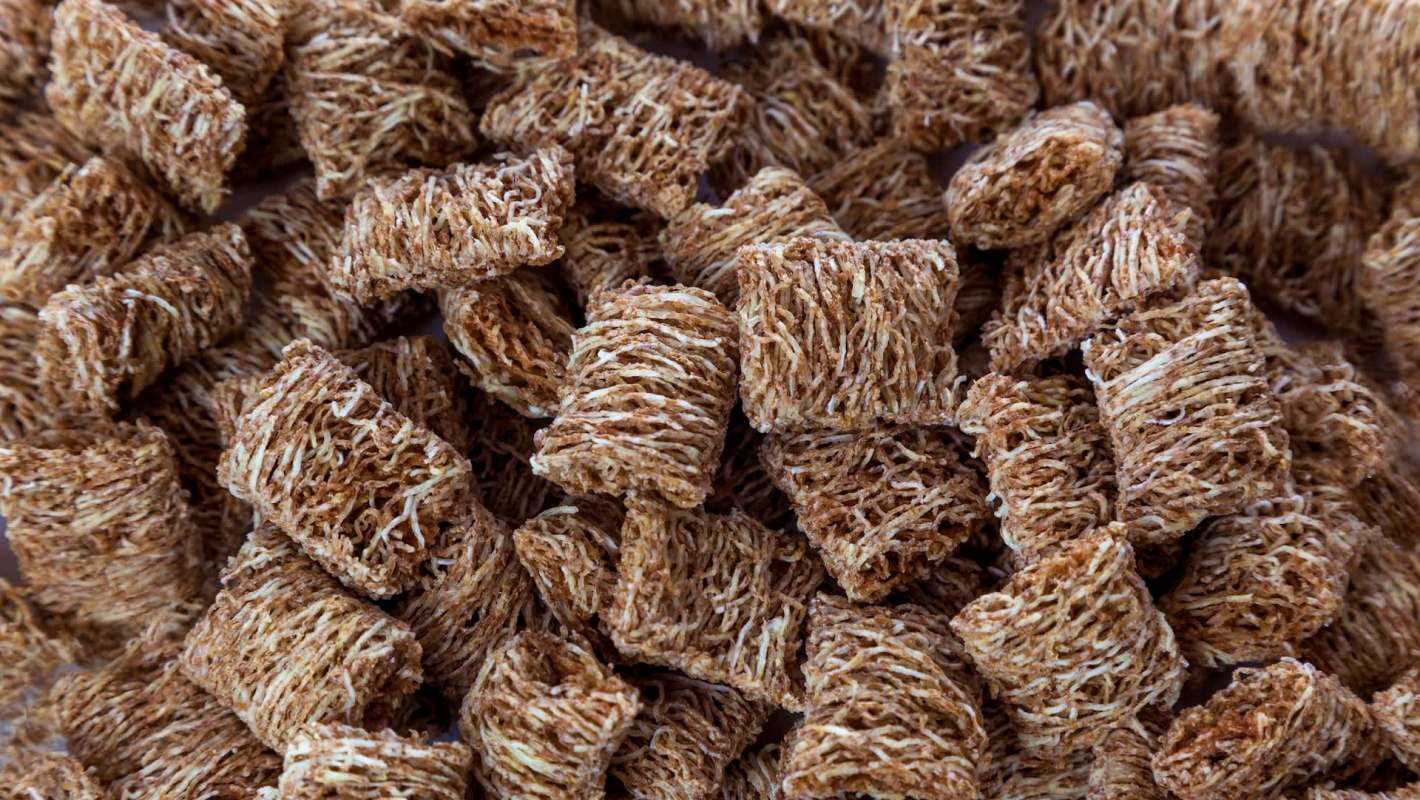
Cereal, bread, pastries, pasta, and flour all have one disturbing thing in common, a new study found: heavy contamination from a common "forever chemical."
What's happening?
The research, released by the Pesticide Action Network Europe, found high levels of trifluoroacetic acid — the most common of per- and polyfluoroalkyl substances.
Le Monde summarized the results.
Researchers identified near-universal contamination in 65 conventional cereal-based products purchased in 16 European countries and analyzed by an independent Austrian laboratory.
Why are PFAS concerning?
PFAS, a group of thousands of human-made chemicals found in our water, food, and household products, have been linked to a number of health concerns, according to the Environmental Protection Agency.
They include an increased risk of some cancers, low birth weights, and disruption of the body's natural hormones.
The Le Monde article noted that TCA, the PFAS examined in the cereal study, showed signs of liver toxicity and was close to being classified as "toxic to reproduction" in the European Union.
Meanwhile, PFAS of all types are increasingly being discovered in our environment.
For instance, one study identified a link between pharmaceutical waste and PFAS in our water supply. Another paper found that these chemicals are released as gases from landfills, making the contamination airborne, as well.
What's being done about PFAS?
The EU has not set a maximum residue limit for TFA in foods, according to Le Monde.
TCD Picks » Quince Spotlight
💡These best-sellers from Quince deliver affordable, sustainable luxury for all




|
Do you worry about having toxic forever chemicals in your home?
Click your choice to see results and speak your mind. |
 Majorly 😥
 The outlet reported that the levels quantified by the new cereal study were 100 times higher than the average levels found in tap water by a previous EU-based study from 2024.
"Our results highlight the urgent need for immediate action," said spokesperson for Générations Futures, François Veillerette, who led the French portion of the study. "We cannot expose the population, especially children, to substances that are toxic to reproduction."
Several countries have already banned certain PFAS or imposed restrictions on them; in 2020, PFOA was banned globally. Individuals and communities are also seeking ways to remove PFAS from drinking water, an increasingly widespread problem.
Residents in one Michigan town recently learned that their water was contaminated with forever chemicals — one person took precautions by installing a water softener and a reverse osmosis filter to help reduce these contaminants.
Scientists are working on new ways to remove PFAS from water.
A team at the University of Illinois found a way to eliminate the full spectrum of PFAS from water in a single step.

Get TCD's free newsletters for easy tips to save more, waste less, and make smarter choices — and earn up to $5,000 toward clean upgrades in TCD's exclusive Rewards Club.
Cool Picks




