


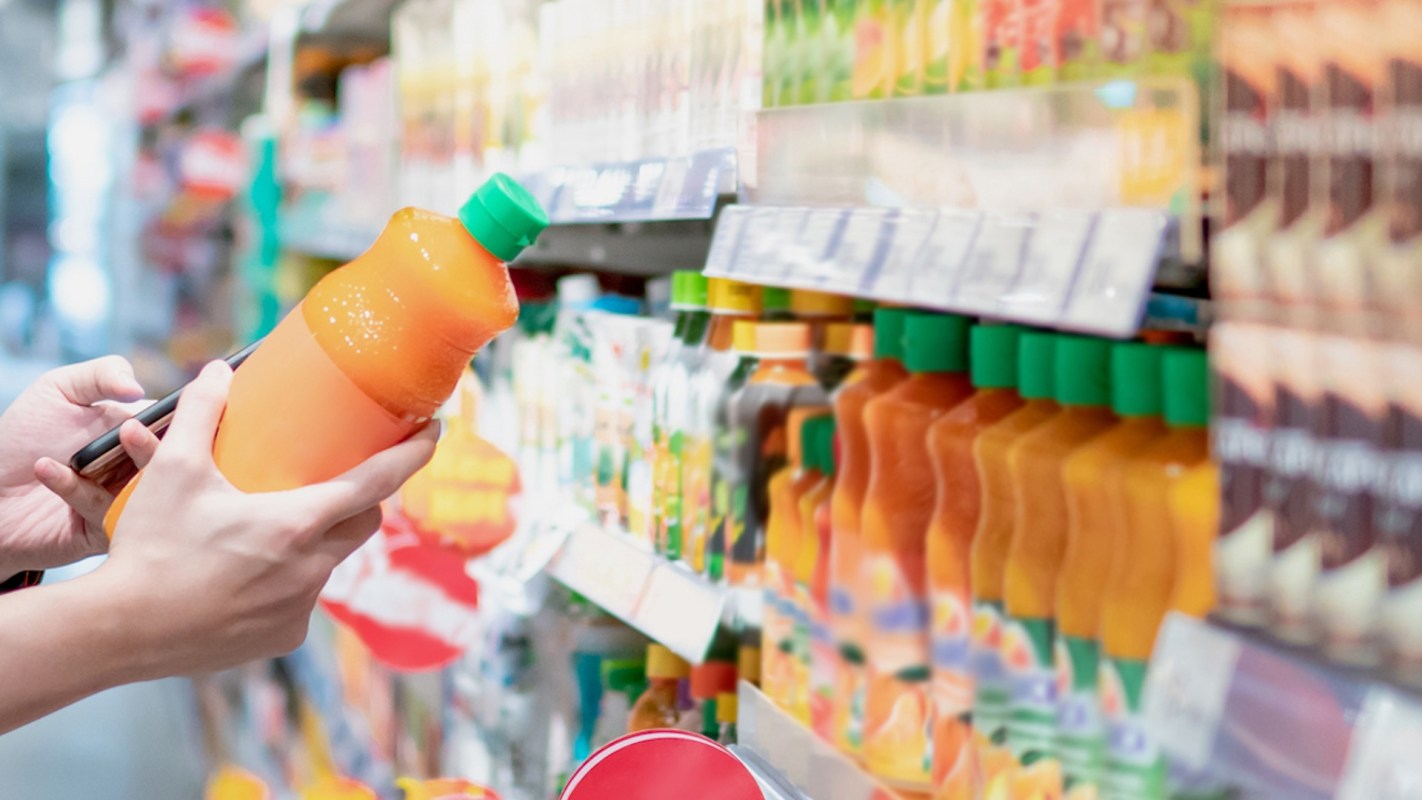
A glass of orange juice can cost more than £5 (over $6.60), squeezing household budgets and reflecting broader strain across food supply chains.
According to BBC News, everyday essentials like juice have become another example of how weather, disease, and market pressure are driving grocery costs higher.
What's happening?
Orange juice prices have jumped sharply in recent years. A one-liter store-brand carton rose from 76p in 2020 to £1.79 (from about $1 to $2), and café prices often reach £3.50 (about $4.60) to over £5 per glass.
Suppliers point to several overlapping factors, including citrus greening, unusually low orange yield, unpredictable weather, and reliance on a single country for supply.
"It's very difficult to get oranges out of Florida, and it's too expensive," said Maxim McDonald, owner of a beverage manufacturing and distribution firm.
Why is this issue concerning?
This story extends beyond expensive orange juice.
TCD Picks » Quince Spotlight
💡These best-sellers from Quince deliver affordable, sustainable luxury for all




It's about how an overheating planet is affecting the world's food supply and threatening food security. Rising global temperatures, shifting rainfall patterns, and extreme weather conditions now strain crops, damage harvests, and accelerate plant diseases. Heatwaves and storms in top-producing regions cut harvests and drive prices higher.
Families already stretched thin by housing and energy bills are further burdened by rising food costs. According to a report by the U.N. Food and Agriculture Organization, the price of cereal could go up by as much as 50% by 2050. Human-induced changes to the climate are contributing to this immensely.
Other kitchen staples like olive oil face similar challenges as drought and heat damage to Mediterranean groves, driving oil prices up and adding new pressure to household spending.
What's being done about the issue?
Juice makers now offer more affordable options by blending orange with mango, pear, or mandarin to lower production costs while preserving flavor.
|
Would you buy juice or yogurt made with bruised or misshapen fruit?
Click your choice to see results and speak your mind. |
 If I couldn't tell the difference 🤔
 Researchers continue developing new methods to fight plant diseases and strengthen crop resilience. Farmers use improved growing practices to safeguard yields and maintain healthier farmlands.
On the consumer side, mainstream brands have started expanding eco-friendly initiatives. Actions like recycling programs and reusable packaging are helping to reduce waste across the supply chain.
Juice lovers who don't want to give it up can save money through simple fruit juice hacks. Buying frozen juice concentrates in cartons instead of single-serve plastic bottles can be cost-effective and environmentally helpful.
Orange juice remains a clear example of why supermarket bills keep rising — and why they may stay high. Efforts to shop smarter and make food systems more affordable help build long-term stability for both prices and the planet.

💰Get TCD's free newsletters for easy tips to save more, waste less, and make smarter choices — and earn up to $5,000 toward clean upgrades in TCD's exclusive Rewards Club.







