


Food trends usually promise convenience, novelty, or indulgence. This one asks a harder question: What if eating the problem was part of the solution?
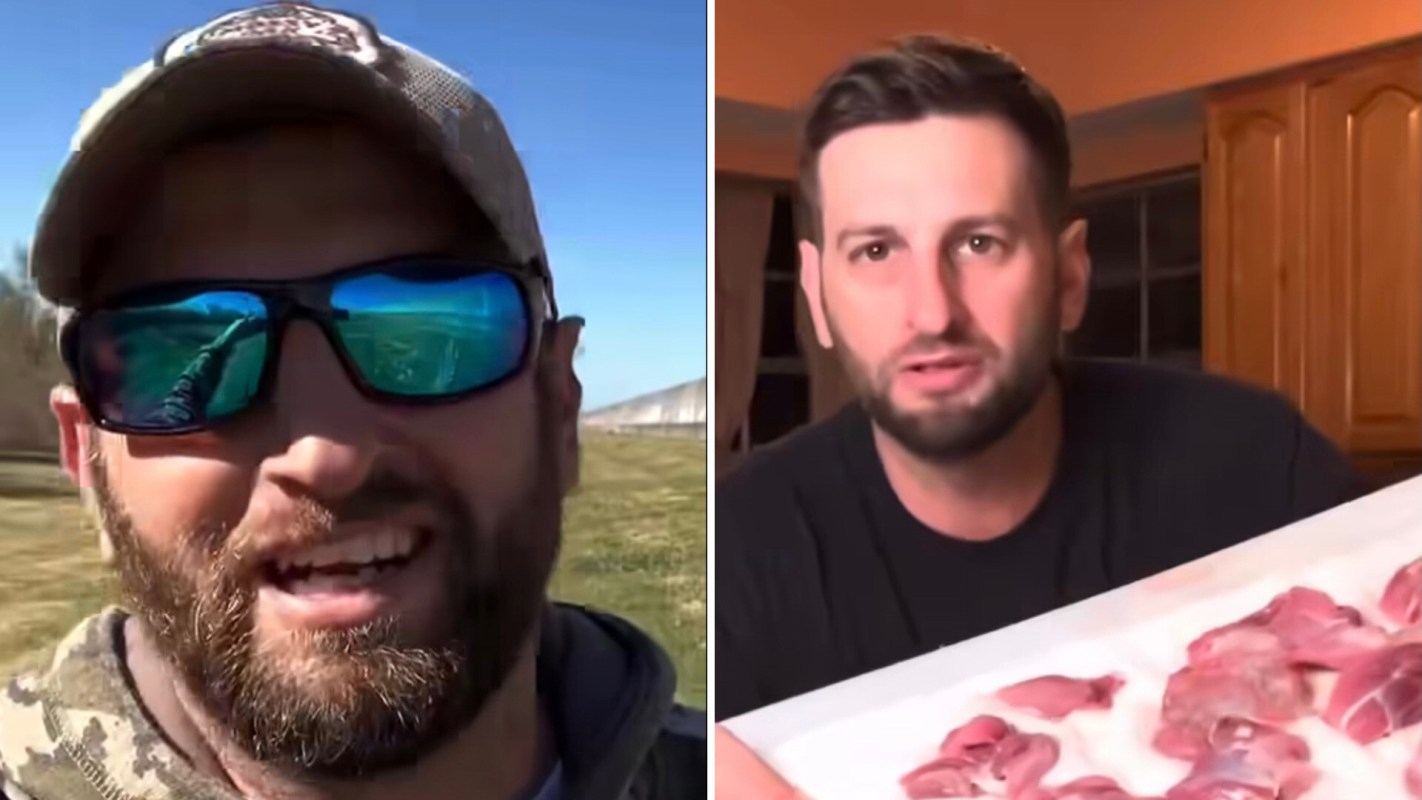
That's the issue at the center of a Facebook video that gained traction for its unlikely premise and even more unlikely ingredient. In the clip, Jared Serigné from Outside the Levees calmly prepares spaghetti using nutria meat, a protein most Americans would probably associate with environmental damage rather than dinner.
Nutria are large, semi-aquatic rodents native to South America that have spread aggressively across the Southern United States, particularly Louisiana, where they tear through wetlands and undermine fragile ecosystems.
"I know that ugly little rat looks like something you wouldn't want to eat, but I'm gonna get in the kitchen and show y'all it's really not that bad," Serigné said. He then cleaned and dressed the meat, ending with a plate full of nutria spaghetti, red gravy, and a thumbs up verdict: "Tastes pretty good to me."
While it may not seem like it, the video taps into a growing conversation about invasive species and how communities respond to them. Nutria consume massive amounts of vegetation, accelerating erosion and destroying habitats that protect coastlines from flooding. Traditional control methods can be costly and controversial, but harvesting invasive species for food offers a different approach.
For consumers, the video challenges deeply ingrained ideas about what is considered acceptable to eat and why. Nutria meat has often been compared to rabbit or dark turkey meat. The bigger shift is mental, not culinary. Seeing invasive animals reframed as meals forces viewers to reconsider the relationships between food systems, sustainability, and responsibility.
Commenters dropped in with their own experiences.
"Nutria is delicious when cooked correctly," one person shared.
"Good fried also," another added.
"Well, I've eaten muskrat and it was tender and delicious, so I'd jump at the chance to try nutria," someone else exclaimed.
TCD Picks » Quince Spotlight
💡These best-sellers from Quince deliver affordable, sustainable luxury for all




In all, the reactions reveal a cautious curiosity. This video isn't just about shock value but also how confronting environmental challenges sometimes starts with unexpected, deeply human choices — including what we put on our plates.
|
What's the most you'd pay per month to put solar panels on your roof if there was no down payment?
Click your choice to see results and speak your mind. |
 $200 or more 💰
Get TCD's free newsletters for easy tips to save more, waste less, and make smarter choices — and earn up to $5,000 toward clean upgrades in TCD's exclusive Rewards Club.
Cool Picks




