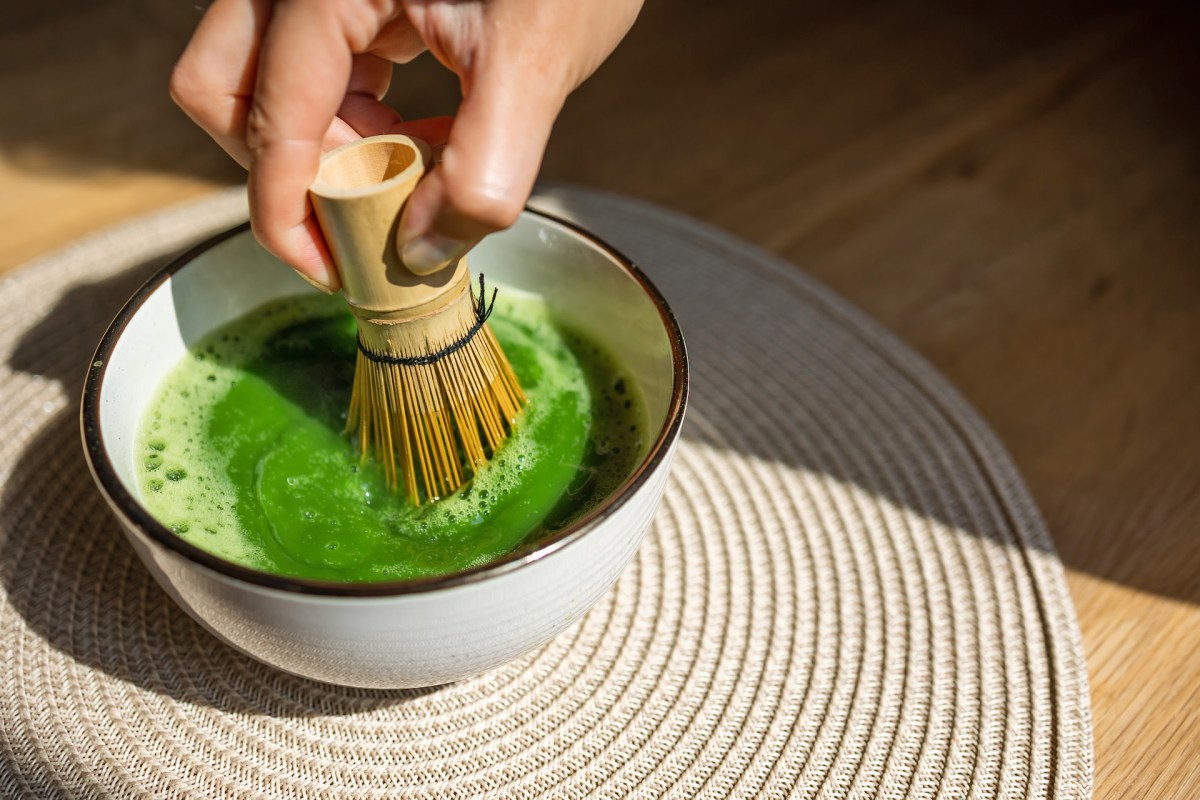
That morning matcha latte might soon be getting a lot more expensive, if it hasn't already where you live, as skyrocketing demand has collided with a smaller-than-expected harvest to leave matcha in short supply, Reuters reported. The result has been record-high prices on the wholesale market.
Growers blamed the lower yields on scorching-hot temperatures that hit the Kyoto region during the summer of 2024, Japan's second-consecutive hottest year on record.
"Last year's summer was so hot that it damaged the bushes, so we couldn't pluck as many tea leaves," Masahiro Yoshida, a sixth-generation farmer, told Reuters.
Compounded with issues around tariffs in the U.S., the industry is facing major headwinds, and some matcha-specializing tea shops have had to make difficult decisions about whether to stay in business when supply is short, with some temporarily closing at times.
What's happening?
Global demand for matcha has taken off in recent years, as influencers and marketers have touted the beverage's health benefits while associating the drink with a trendy, upscale lifestyle.
With the global matcha market having reached $3.3 billion in 2023, experts project that it will nearly double to $6.2 billion by 2032, according to SkyQuest Technology Group, a market-intelligence provider.
Stay hydrated and refreshed this holiday season — without any sugar or harmful additives Nuun’s zero-sugar hydration tablets are a perfect, guilt-free way to enhance your water throughout the day. You’ll get five essential electrolytes for everyday hydration — with zero grams of sugar. Plus, Nuun tablets are certified vegan and gluten-free, and they’re the perfect size to keep in your car, purse, or anywhere you'll want a healthy, restorative drink. Learn more → |

Seemingly, the only thing capable of slowing the world's thirst for matcha has been the supply of matcha itself.
Matcha is made from tencha, stemless tea leaves that are processed via a precise, exacting method before being ground into a fine powder. In 2024, Japanese farmers produced 5,336 tons of tencha, nearly three times the annual production of just 10 years prior, according to Reuters.
Yet even this dramatic growth in production has been unable to meet the skyrocketing demand. Tealife, a Singapore-based company, saw demand for matcha from its customers go up tenfold in 2024 alone.
"I'm basically always out of stock," Yuki Ishii, Tealife's founder, told Reuters.
TCD Picks » Upway Spotlight
💡Upway makes it easy to find discounts of up to 60% on premium e-bike brands





|
Do you worry about air pollution in your town? Click your choice to see results and speak your mind. |
 All the time 💯
 Unsurprisingly, high demand combined with a disappointing harvest have led to record prices. Tencha prices at Kyoto auctions have jumped 170% over just one year ago, per Reuters.
Why does the price of matcha matter?
While some people might consider their morning matcha an essential and irreplaceable part of their day, others may wonder why the price of matcha matters for everyone else.
In a sense, matcha is like the canary in the coal mine, showing what can happen when rising global temperatures limit the availability of a widely consumed crop.
Were a similar price increase to hit a staple crop such as rice, corn, or soy, the impact could be devastating, leading to widespread hunger along with far-reaching economic and political consequences.
Even without a dramatic price shock like the one currently impacting the matcha market, lower crop yields mean higher grocery prices for everyone.
What's being done about the price of matcha?
To address the surging demand, tea farmers in Japan have begun devoting more land to matcha production, but the plants will take five years to mature to the point where they can produce a usable harvest, according to Reuters.
Additionally, countries such as China and Vietnam have been increasing their own matcha production, increasing global supplies.
However, the labor-intensive and highly specialized methods involved in matcha production, including growing the plants in shade for at least 20 days prior to harvest, make ramping up production both slow and expensive.
Additionally, even as more land is devoted to matcha production, ever-increasing global temperatures will continue to negatively impact yields.
All of which suggests that the matcha industry might not be able to grow its way out of this problem.
"I suspect we'll see even more dramatic price increases," Mark Falzon, who imports Kyoto-area matcha for his New Jersey-based business, told Reuters.

Join our free newsletter for easy tips to save more and waste less, and don't miss this cool list of easy ways to help yourself while helping the planet.
Cool Picks