


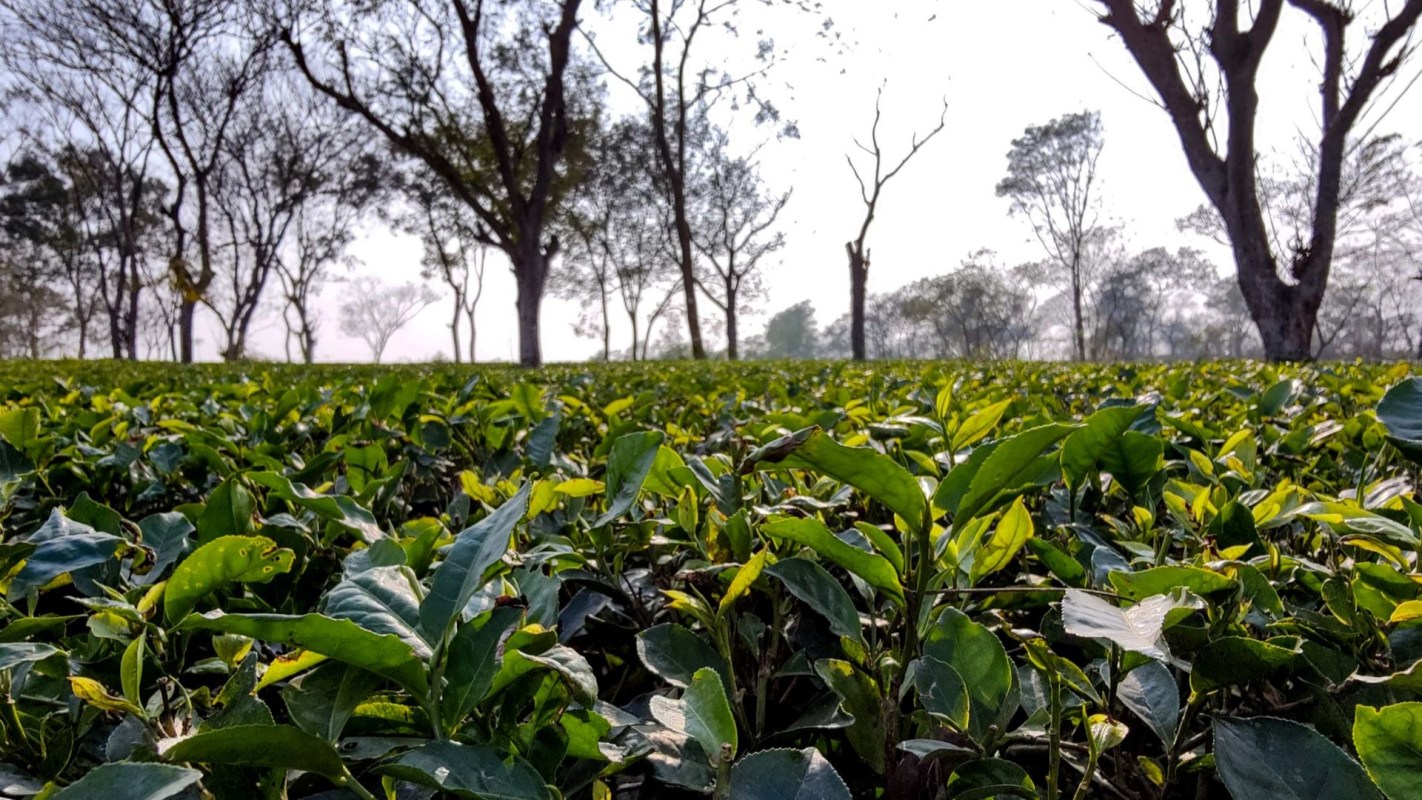
Tea production at Manu Valley, the largest garden in Tripura, India, has shrunk by 300,000 kilograms since 2022 as changing weather patterns and worker shortages take their toll, reported The Assam Tribune.
What's happening?
The estate that makes up nearly a quarter of all Tripura's tea has watched its output shrink year after year. Harvest totals dropped from 2.4 million kg in 2022 to 2.1 million kg by 2024.
Facing these twin problems, garden managers have discontinued all green tea production and now focus on orthodox varieties. With just 300 of their 900 registered workers showing up daily, they've turned to technology, buying 50 leaf-plucking machines to fill the gap.
"An evenly distributed rain is required to grow bushes, which is not witnessed nowadays. This is one of the big concerns for the tea garden's future," said Prabir Dey, human resources manager of the estate, per The Assam Tribune.
Why is declining tea production concerning?
The shift in rain patterns threatens both food security and farm jobs. Tea plants need rain at the correct times to grow properly.
When the climate shifts, entire communities' financial health hangs in the balance. In Tripura, where tea drives much of the economy, lower production means less money for everyone involved.
Workers at the garden earn 204 rupees per day plus perks, but many choose government-backed rural jobs that pay more. This worker exodus comes at the wrong time, when gardens need extra care to cope with weird weather.
The money math keeps getting worse, too. While Manu Valley tea sells for 206 rupees per kilo, it costs 180 rupees per kilo to make, a tiny profit margin that leaves little cash left over to help adapt to new climate realities.
What's being done about climate challenges in tea production?
Manu Valley's team isn't giving up. They plant new bushes on 5-10 hectares every year, replacing the roughly 2% of their 4 million plants that die naturally each season.
They've taught tea plucking skills to around 100 people from nearby tribal villages to help with labor needs, though they admit hand-picked leaves still make better tea than machine-harvested ones.
TCD Picks » Quince Spotlight
💡These best-sellers from Quince deliver affordable, sustainable luxury for all




|
How concerned are you about the plastic waste in our oceans? Click your choice to see results and speak your mind. |
 Extremely 😫
 A new auction center planned for Agartala could soon help local tea makers avoid costly shipping to faraway Kolkata or Guwahati markets.
If you drink tea, consider purchasing from brands that support sustainable farming and fair labor practices. Look for Rainforest Alliance or Fair Trade labels when shopping to ensure your purchase meets high social and environmental standards.

Join our free newsletter for easy tips to save more and waste less, and don't miss this cool list of easy ways to help yourself while helping the planet.
Cool Picks




