


There's no crying over spilled milk, but that didn't stop a Kroger employee from complaining about gallons of it being wasted.
What's happening?
In a post on r/Anticonsumption, a Kroger worker detailed how large amounts of unsold milk ended up in the trash instead of being donated or discounted.
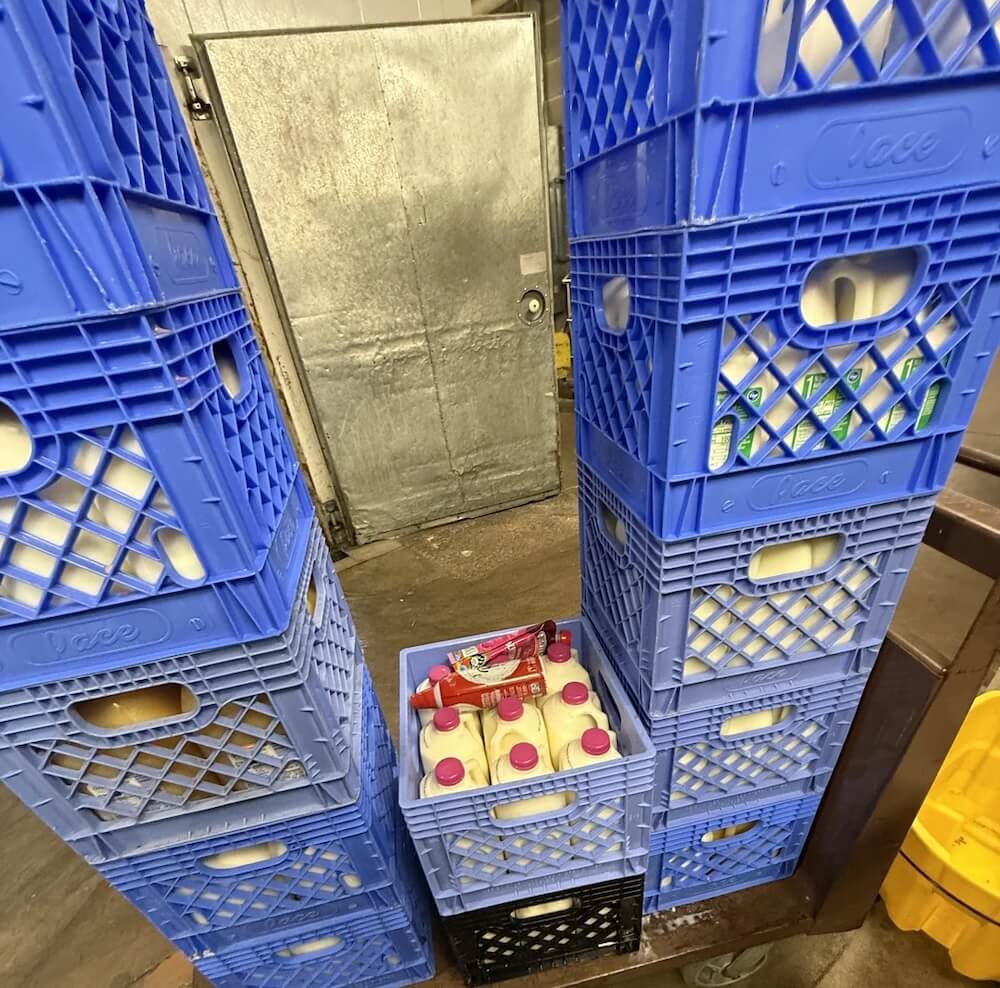
"Was asked to throw out all this milk because it was past its sell by date," said the employee in the post, which featured an image of a stack of milk crates going to waste.
"It was still good so I asked if I could take one jug home but they said no lol. Kinda sad to see all this milk wasted."
"Seeing 90 gallons tossed is cringe, but these things happen when a department is not properly staffed," said one commenter.
Why is food waste concerning?
Food waste is a massive environmental and ethical problem. According to the USDA, Americans waste around 30–40% of the food supply each year.
When food rots in landfills, it generates methane, a harmful gas 80 times more potent than carbon dioxide. This means methane directly contributes to Earth's overheating.
Beyond environmental concerns, tossing perfectly good food highlights systemic inequalities. While millions of Americans face food insecurity, edible groceries are being discarded due to store policy and liability concerns.
"Sadly in America, if you get something after a best-by or sell-by date, you run the risk of someone finding a way to sue you," explained a commenter.
Is Kroger doing anything about this?
Kroger has, in fact, launched initiatives aimed at curbing waste, including its Zero Hunger | Zero Waste program, which pledges to eliminate hunger in its communities and food waste in its stores by 2025.
TCD Picks » Quince Spotlight
💡These best-sellers from Quince deliver affordable, sustainable luxury for all




|
What should the government do about the fast fashion industry?
Click your choice to see results and speak your mind. |
 Set strict regulations 🚫
 The company stated that it has donated 1.3 billion meals since 2017, much of it through Feeding America partnerships.
Some stores have also demonstrated a genuine commitment to reducing waste. A Kroger location in Arkansas turned a storm-related outage into an opportunity to donate thousands of pounds of food to a local food bank rather than trashing it.
Still, wasteful practices do remain. This disconnect indicates that further efforts are needed to make green practices sustainable in all stores.
What's being done about food waste more broadly?
More retailers are experimenting with solutions. Trader Joe's, for instance, has faced scrutiny over wasted food during power outages but has since expanded donation programs.
For individuals, food waste solutions include buying only what you need, composting spoiled food, and supporting stores and brands with active donation programs.
Composting, in particular, is an important fallback, ensuring discarded food at least goes back into the soil rather than into methane-producing landfills.
With all hands on deck, perhaps it won't take long before people no longer have to cry over spilled or spoiled milk.

Join our free newsletter for easy tips to save more and waste less, and don't miss this cool list of easy ways to help yourself while helping the planet.
Cool Picks




