


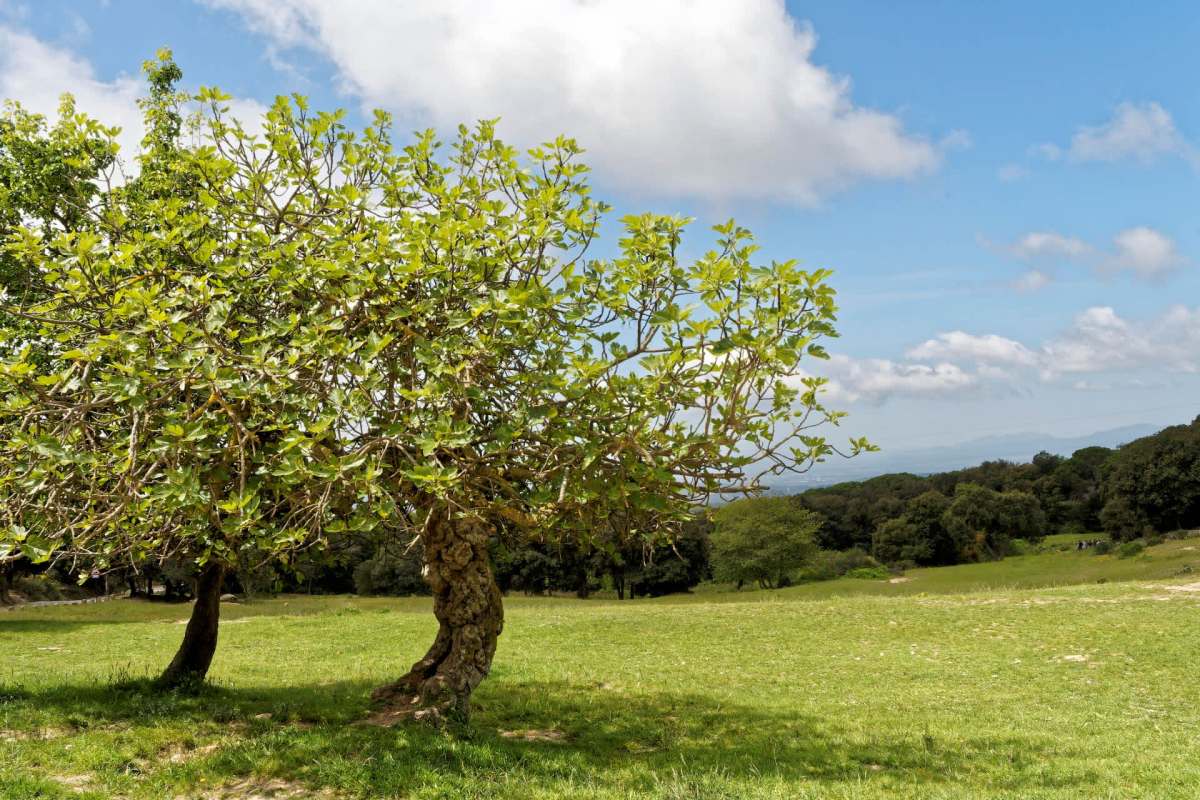
Once a reliable source of food and income, Iraq's fig trees are dying off due to relentless drought, leaving farmers struggling for their livelihood.
What's happening?
In Iraq's Babylon province, fig farmers are seeing sharp declines in yields due to drought, according to Jummar.
Just two years ago, a single tree could produce 25 to 40 crates of figs per season, with each crate weighing up to 20 kilograms. Today, a single tree produces just one 15- to 20-kilogram crate every two to three days — a steep drop in production.
The fig season — which once stretched from mid-June through October — is also shrinking due to water shortages, further impacting yields.
"Fig trees are thirsty by nature," farmer Saadoun Al-Saadouni told Jummar. "They don't just need watering — they need washing too, to remove dust that attracts spider mites."
Surface water scarcity has pushed farmers to use sulfur-rich groundwater as an alternative, altering the figs' flavor and changing their color from deep black to red.
Still, drought conditions have fueled the spread of disease and spider infestations, forcing farmers to rely more heavily on harmful pesticides to save what remains of their fig crops.
Why is Iraq's fig tree decline concerning?
Iraq's shrinking fig yields are just one example of how rising global temperatures are reshaping agriculture worldwide. Hotter temperatures and prolonged droughts are reducing harvests and forcing many farmers to abandon crops that once sustained their families for generations.
As yields decline, farmers earn less while spending more on crop-saving measures — costs that often get passed on to consumers. Shoppers feel the impact of scarcity and volatile conditions through higher grocery bills, turning planetary warming into a daily household concern rather than a distant environmental issue.
As Jummar highlighted, the loss of fig trees also alters the entire local ecosystem. Fig trees are keystone species in their ecosystems, providing essential food and habitat for bees, birds, and other wildlife. When harvests suffer, these species are affected — sometimes indirectly.
TCD Picks » Quince Spotlight
💡These best-sellers from Quince deliver affordable, sustainable luxury for all




|
What is the biggest reason you don't grow food at home? Click your choice to see results and speak your mind. |
 Not enough time ⏳
 The white heron, for example, follows farmers during irrigation to catch worms and insects — but with water resources lacking, that food source has also dried up.
As farmers try to save remaining crops, they can turn to unsustainable and environmentally harmful practices, like pesticide use. These measures may protect short-term yields but can further degrade soil, water, and local ecosystems, creating even more challenges for both agriculture and wildlife.
What's being done to support fig tree farmers and production?
As fig growing becomes increasingly unreliable, some farmers have abandoned growing the fruit for more reliable sources of income.
"Fig cultivation is now under threat," farmer Ahmed Abu Shahad told Jummar. "Some farmers have abandoned agriculture altogether, turning to construction work or poultry farms."
Still, some farmers continue investing in fig trees due to the fruit's high market value, hoping the risk will pay off. To cope with worsening drought conditions, farmers are adopting water-saving techniques such as drip irrigation, which reduces waste and helps stretch limited supplies.
Despite the challenges of water scarcity, fig trees are remarkably resilient and capable of surviving years of harsh conditions. Farmers highlight this crop's durability as a key advantage as climate instability and water scarcity intensify.

Get TCD's free newsletters for easy tips to save more, waste less, and make smarter choices — and earn up to $5,000 toward clean upgrades in TCD's exclusive Rewards Club.
Cool Picks




