


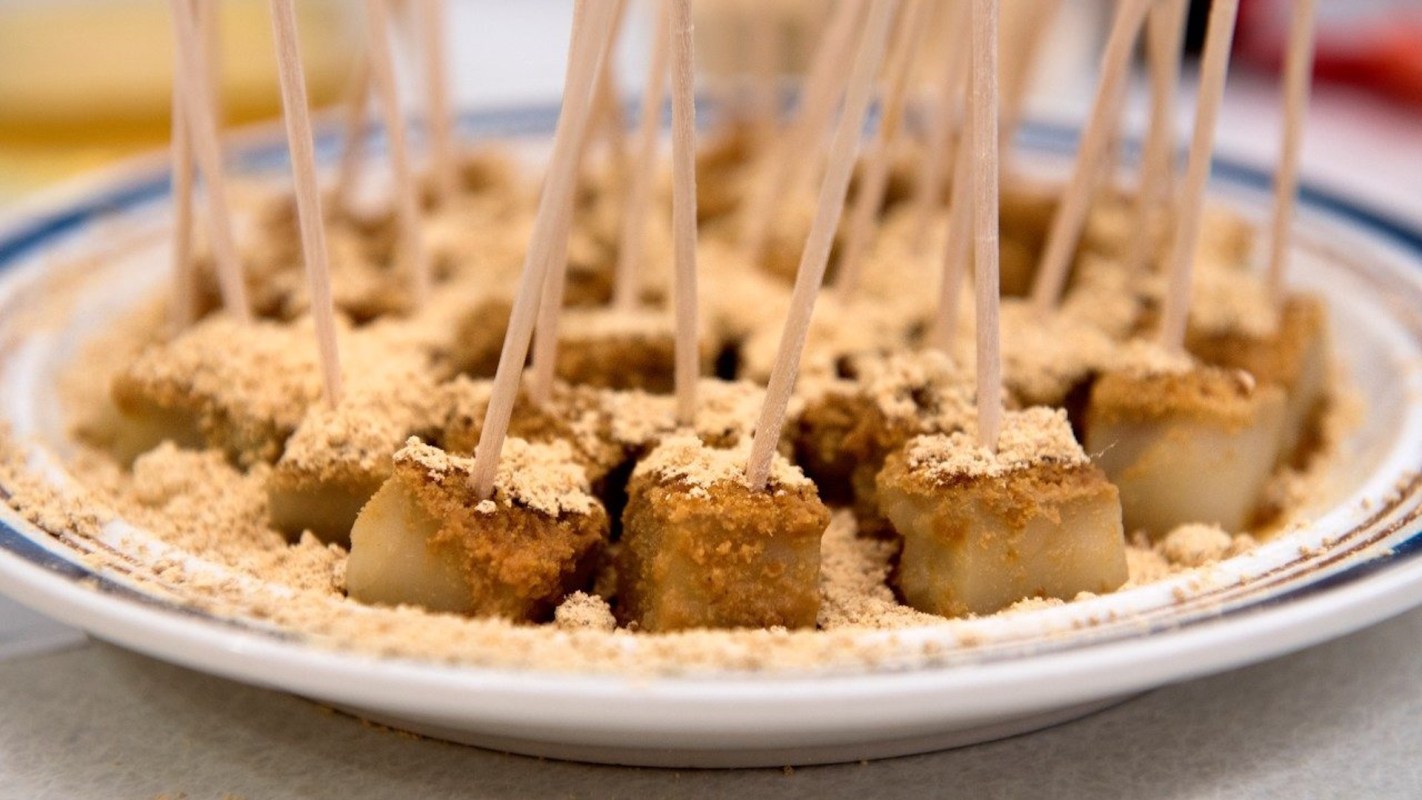
Students at Virginia Tech found a few delicious ways to combat invasive species worldwide.
Professor Jacob Barney instructed his ecology class to bring in dishes made from invasive species for a potluck, according to WVTF.
The assignment helped raise awareness about various non-native plants and wildlife, and focused on unique tactics to manage their spread.
Students created a wide range of delicacies, including Korean mulberry tea, spicy kudzu dip, and a cottage pie made with Queen Anne's lace.
The menu was based on ingredients that were non-native to any part of the globe. One student brought a goat cheese dip to highlight invasive goats in the Galapagos Islands.
The broad scope showed that delectable meals could be made from many different species, regardless of location.
Invasive species threaten native species' survival by outcompeting them for resources, typically reproducing quickly and overrunning habitats.
Each ecosystem is delicately balanced, with native plants and animals in mutualistic relationships. When that balance is disturbed, it has a ripple effect on the local environment.
For example, one student used Queen Anne's lace, also known as wild carrot, which can be detrimental to Virginia's cows. If cattle eat too much of it, their milk can develop an unpleasant taste, according to researchers at Ohio State University.
Of course, this is catastrophic for dairy farmers, as it makes it impossible for them to sell their milk, and unfortunate for consumers, too. Invasive species don't just pose a threat to native plants and wildlife; they also put local industry and the broader food supply at risk.
TCD Picks » Quince Spotlight
💡These best-sellers from Quince deliver affordable, sustainable luxury for all




|
Should schools teach more about gardening and lawn care?
Click your choice to see results and speak your mind. |
 It should be a main subject 💯
 This potluck assignment was a fun and helpful way to learn about invasive species while finding unique ways to eliminate them. Students agreed, but some admitted they hadn't realized some of the ingredients were safe to eat.
"There's just some foods that I knew were edible, but I had just never eaten before," Virginia Tech senior William Pearson told WVTF. "So it's pretty nice to try them for the first time."

Get TCD's free newsletters for easy tips to save more, waste less, and make smarter choices — and earn up to $5,000 toward clean upgrades in TCD's exclusive Rewards Club.
Cool Picks




