


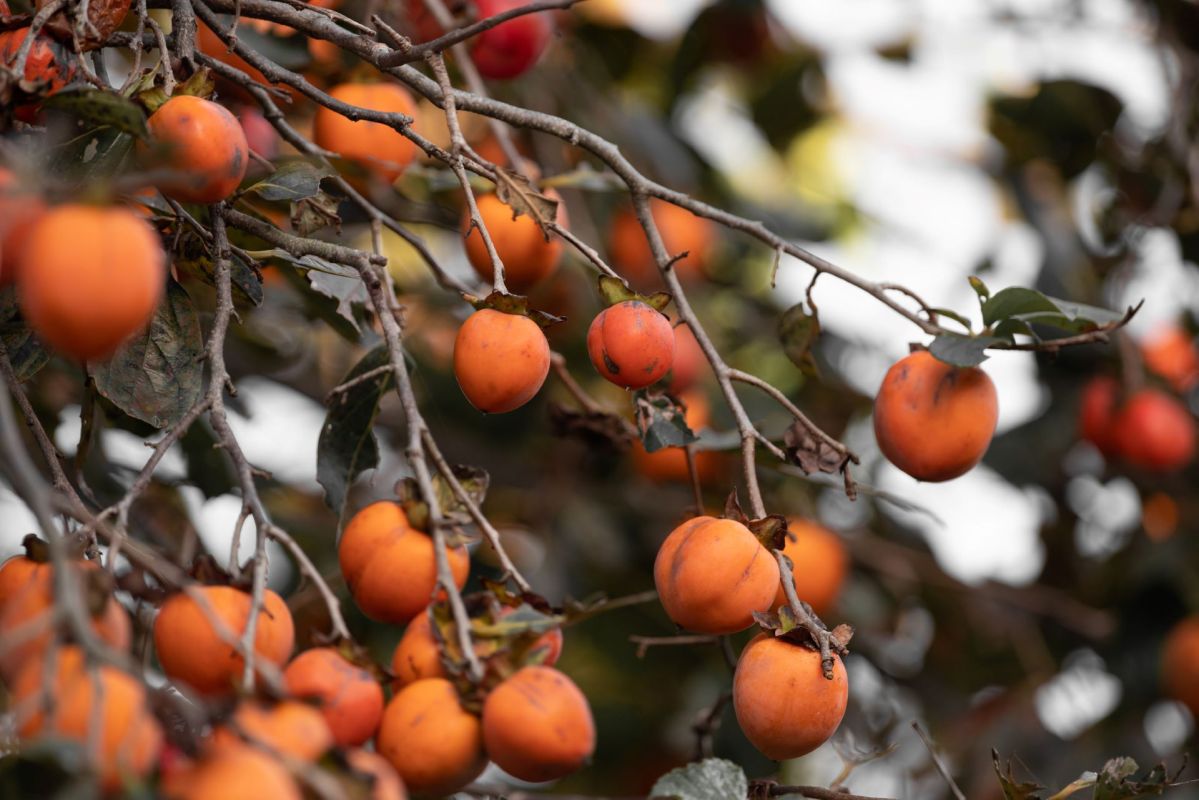
Producers of kaki, also known as the Chinese or Japanese persimmon, are experiencing crop shortages after an unexpected hailstorm.
What's happening?
According to Fresh Plaza, the Valencia region in Spain is having a tough kaki harvest season. In mid-November, the area was hit with a surprise hailstorm that impacted key kaki production sites.
The president of the Spanish Kaki Association, Pascual Prats, estimated 20% of the existing harvest was damaged by hail.
He explained, "We were already experiencing a 20% reduction in production compared to our initial expectations for the first part of the season, mainly due to bad weather and pests."
Rafael Cosme, the general manager of the Ribercamp cooperative in Carlet that was hit by the hail, told Fresh Plaza, "We had a good harvesting rhythm and everything was proceeding as planned, but the hail significantly affected the remaining harvest, which was about 50% of the crop."
He continued, "Farms impacted by hail have experienced damage ranging from 40% to 60%."
What is this unusual weather concerning?
The unusual hailstorm can be attributed to rising temperatures exacerbated by planet-warming pollution. Changes in the Earth's climate intensify extreme weather events and strange weather patterns.
This can create a range of problems, from wildfires to floods, and they often negatively impact agriculture and crop supplies.
Unexpected heatwaves, droughts, floods, and storms can wipe out fields of crops, endangering the food supply. This rough hailstorm is a prime example of how shifting weather patterns can threaten crops and farmers' livelihoods.
Cosme told FP, "Producing kaki has become 50% more expensive over the last 10 years."
TCD Picks » Quince Spotlight
💡These best-sellers from Quince deliver affordable, sustainable luxury for all




|
Would you buy juice or yogurt made with bruised or misshapen fruit?
Click your choice to see results and speak your mind. |
 If I couldn't tell the difference 🤔
 The rising costs of pest control and decreasing crop yields due to poor weather increase farming costs. In turn, this increases the cost of kakis for the consumer. Extreme, unpredictable weather results in higher prices at the grocery store, impacting everyone from the farmers to the average consumer.
What can be done to help kaki farmers?
Researchers and farmers are advancing agricultural practices through new irrigation strategies, pest management tools, genetic engineering techniques, and sustainable farming practices. These innovations help make crops more resilient to weather changes, boosting crop yields.
While innovations in farming help, everyone can support agriculture by reducing pollution. Small lifestyle changes, such as using public transport or reducing plastic use, can cut the production of planet-warming gases and create a cooler, cleaner planet.
Less pollution means a more stable climate, which is conducive to successful crop production and food security.

Get TCD's free newsletters for easy tips to save more, waste less, and make smarter choices — and earn up to $5,000 toward clean upgrades in TCD's exclusive Rewards Club.
Cool Picks




