


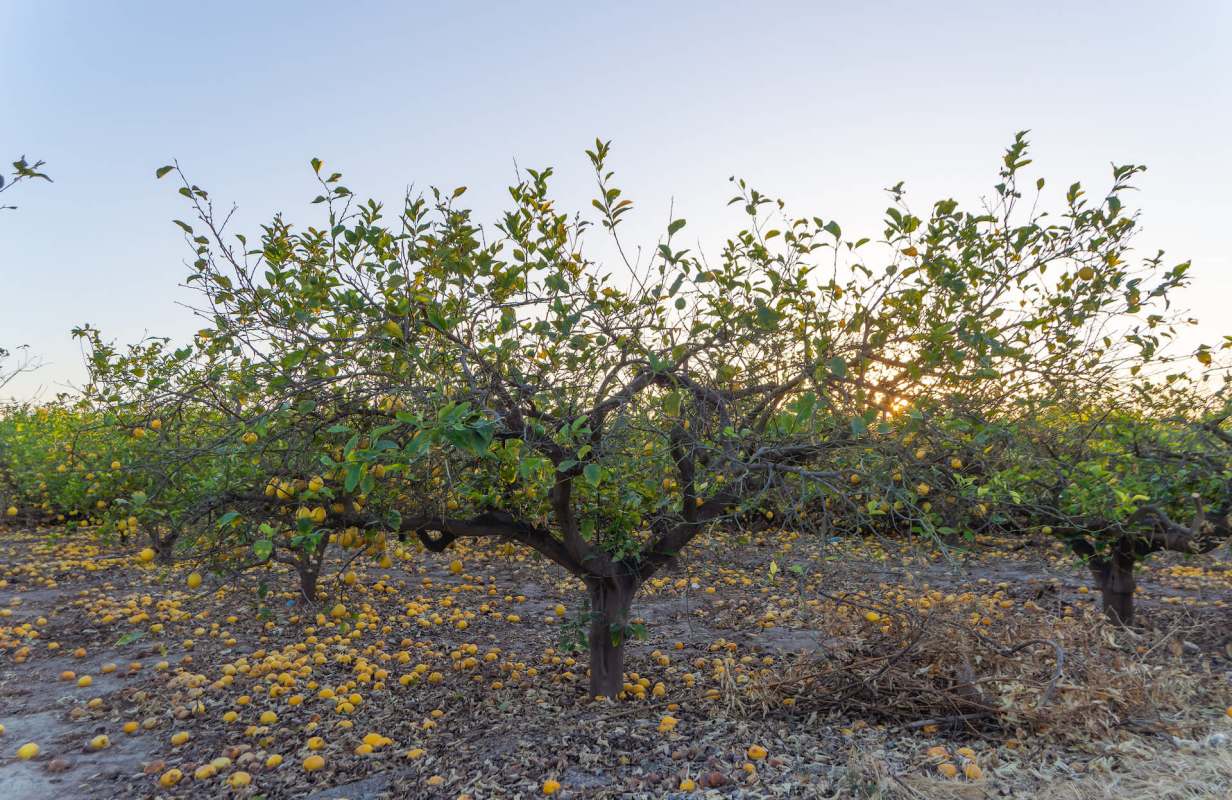
A hailstorm blasted an agricultural hub across the Spanish municipalities of Vallada, Villalonga, and Ador, according to Freshplaza, a publication with its finger on the pulse of global fruit and vegetable news. The extent of growers' losses is still coming to light.
What's happening?
In mid-September, an unexpected hailstorm hit farms in La Costera and La Safor, comarcas in the province of Valencia, which is still reeling from 2024's deadly floods after an atmospheric river released a year's worth of water in a matter of hours.
The Valencian Farmers Association reported damage primarily to kaki, olive, citrus, and avocado crops across 1,700 hectares (4,200 acres) and estimates losses up to €9 million ($10.5 million). However, growers are still sorting through the wreckage, and the situation could be more dire.
José Luis Sanchís, the association's delegate in the municipality of Moixent, referred to the situation as a "disaster," with up to 90% of olive groves destroyed, according to Freshplaza.
"In some plots, barely four olive trees have survived. Losses could be in the millions," he said.
Why is this important?
While hail formation is a complex process and researchers emphasize there's still much to learn about it, several studies suggest a warming climate is increasing the size of hailstones.
TCD Picks » Quince Spotlight
💡These best-sellers from Quince deliver affordable, sustainable luxury for all




Nonetheless, scientists say Earth's changing climate is undoubtedly fueling extreme weather. A warmer atmosphere holds more moisture, thereby intensifying precipitation events. As a result, farmers, livestock producers, and other agribusinesses are struggling.
Last year, 75% of farmers reported in Bayer's Farmer Voice survey that they are worried about the adverse impacts of rising global temperatures. Many fear they'll need to abandon their livelihoods as agriculture becomes riskier and less lucrative.
If things continue to trend in this direction, it would massively disrupt global food security, leading to further shortages of pantry staples and even higher prices at the grocery stores.
What's being done about this?
Growers are finding creative ways to generate extra revenue in a challenging landscape. Some are turning their farms into attractive destinations for agritourists.
|
Do you worry about the longevity of EV batteries? Click your choice to see results and speak your mind. |
 For sure 💯
 Others are getting into the clean energy sector by cultivating their crops or raising herds on the same land as solar panels — a concept known as agrivoltaics.
While agrivoltaics may not be suitable in every situation, certain crops benefit from added shade or protection against the elements, offering a range of multifaceted benefits.
In Spain, the farmers association is calling for an expedited claim assessment process and asking the government for direct aid, subsidized loans, and tax exemptions, per Freshplaza.

Join our free newsletter for good news and useful tips, and don't miss this cool list of easy ways to help yourself while helping the planet.







