


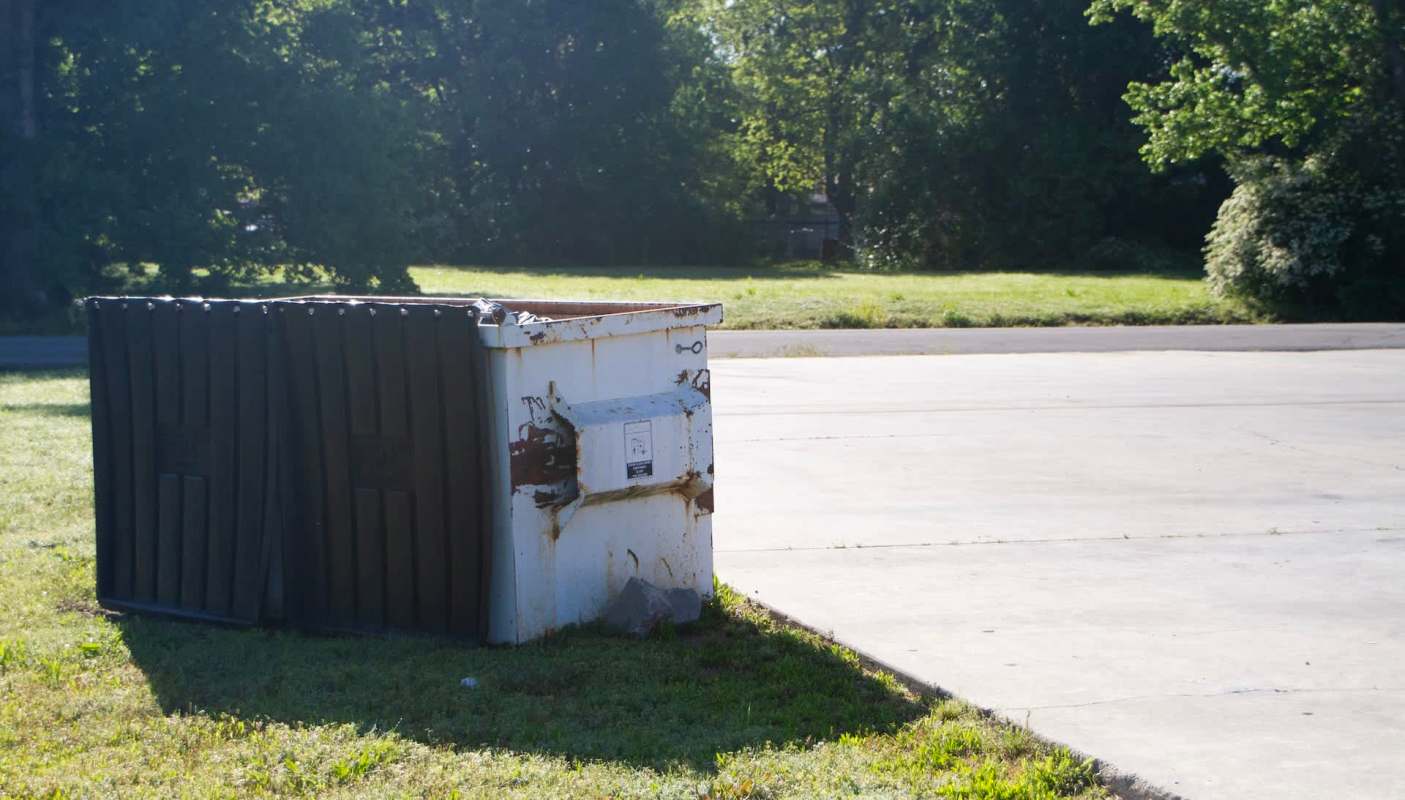
A dumpster diver in Ohio shared a troubling find that demands a conversation about how grocery stores handle unsold food.
What happened?
A member of the r/BuckeyeBinBandits community posted images of their latest haul from local store dumpsters, including packaged snacks, baked goods, and frozen meals.
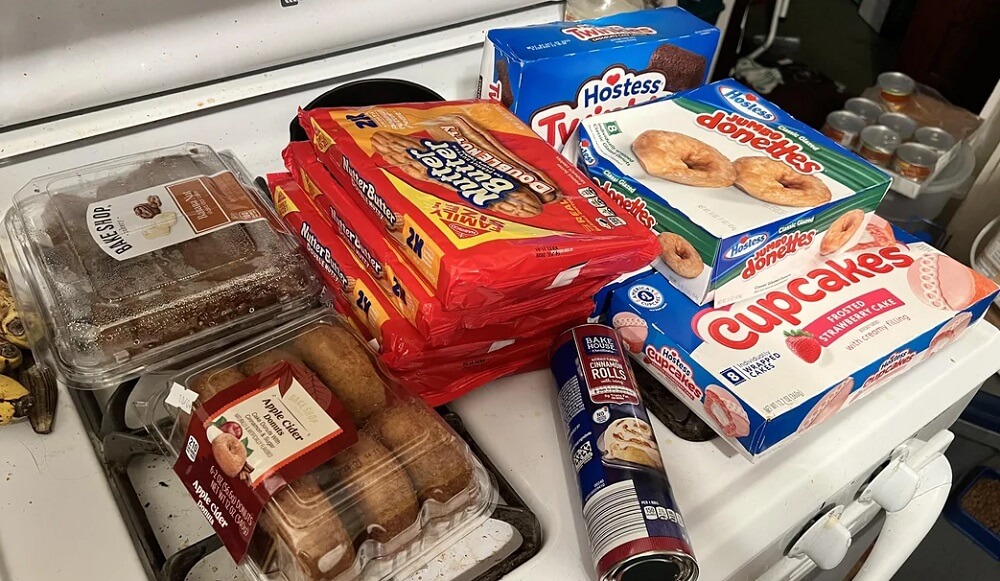
"Sadly it seems the [stores] on my route have taken to randomly smashing and smearing about any cartons of eggs going out the back," the poster wrote. "The eggs tonight came from [another location]. But you take what you can get."
The practice of intentionally destroying food before disposal raises questions about why stores would go out of their way to make edible items unusable.
Why is food waste concerning?
Over 16 billion pounds of food from grocery stores ends up in landfills each year, according to Recycle Track Systems.
When food decomposes in landfills, it releases methane, a heat-trapping gas about 80 times more powerful than carbon dioxide.
The waste hits your wallet, too. Each year, billions of dollars worth of still edible food gets thrown away while nearly one in seven Americans go to bed hungry, per Feeding America.
Some stores intentionally destroy food to prevent people from retrieving it from dumpsters.
The eggs mentioned in the post needed a ton of water and feed to produce. Destroying them wastes all those resources along with the final product.
Is the company doing anything about this?
Without knowing which specific stores were involved, it's hard to say what their current policies are. Many grocery chains have food donation programs in place.
TCD Picks » Quince Spotlight
💡These best-sellers from Quince deliver affordable, sustainable luxury for all




|
Would you buy juice or yogurt made with bruised or misshapen fruit?
Click your choice to see results and speak your mind. |
 If I couldn't tell the difference 🤔
 According to research from Northeastern University, summarized in The Conversation, stores that take items near expiration off shelves and donate them to food banks can boost their profit margins by 33%.
Major retailers like Kroger, Walmart, and Costco often donate food to food banks and pantries, though implementation varies between locations.
The Bill Emerson Good Samaritan Act protects businesses when they donate food in good faith, yet many stores still choose disposal over donation.
What's being done about food waste more broadly?
Some states now require businesses to recycle excess food through composting or donation programs. Donating to food banks fulfills this requirement while reducing disposal costs.
Food banks provide free pickup services using refrigerated trucks, making it easier for stores to donate perishable items without paying hauling companies.
You can make a difference by contacting your local grocery stores and asking about their food donation policies. Support stores that actively work with food banks.
Home composting helps reduce your own food waste. Composting your kitchen scraps keeps organic matter out of landfills and creates nutrient-rich soil for gardens.
Some communities have organized food rescue programs where volunteers pick up donations from stores and bring them to shelters and food pantries. Check if your area has these programs, or consider starting one.

Get TCD's free newsletters for easy tips to save more, waste less, and make smarter choices — and earn up to $5,000 toward clean upgrades in TCD's exclusive Rewards Club.
Cool Picks




