



An employee struggling to make ends meet went off on their employer after being forced to throw away food, garnering more than 8,000 upvotes from disgruntled Redditors.
What's happening?
"They can't pay a living wage but I'll waste hundreds on food waste," the original poster vented. They shared a picture of a trash can filled with sandwiches and other food items.
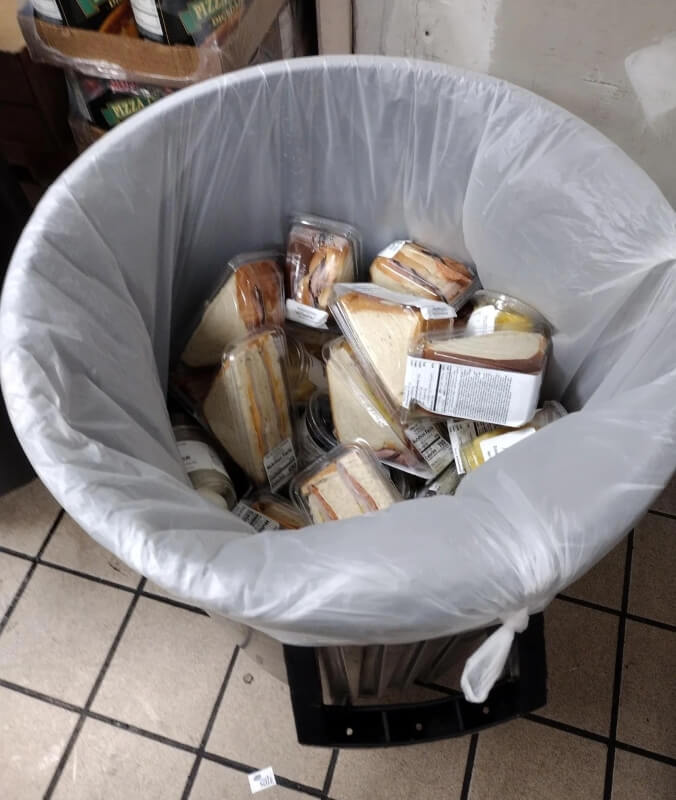
The OP, who didn't name their employer, unleashed a flurry of criticism from people who felt the same way.
"This should be illegal. Food should be donated to people who need it," a commenter said.
"Won't pay a living wage but will fire you for eating a sandwich marked for trash. The American dream," another replied.
"Yep, see it almost everyday at my job yet I cant make enough to keep my apartment once my rent goes up," someone complained.
Why is this important?
According to Fast Company, recent consumer and labor data shows that the average American worker's pay hasn't risen at the same rate as everyday essentials like groceries.
While the OP shared their experience four years ago, the specter of inflation was clearly haunting people even then.
Inefficiencies within the food system can cause producers to further increase their prices to make up for lost revenue, as well as raise citywide disposal costs.
And there's a lot of inefficiency, as this post reveals.
TCD Picks » Quince Spotlight
💡These best-sellers from Quince deliver affordable, sustainable luxury for all




|
Which of these savings plans for rooftop solar panels would be most appealing for you?
Click your choice to see results and earn rewards to spend on home upgrades. |
 Save $1,000 this year 💸
 In fact, the U.S. Department of Agriculture estimated that between 30%-40% of the country's food supply ends up as waste.
Preventing food waste can help lower costs, making nutritious food items more accessible for everyone while also reducing air pollution from food decomposing in landfills.
Are any organizations addressing food waste?
As long as food is handled safely before being distributed in good faith, federal laws offer liability protection. Feeding America provides more than 40 million meals to Americans every year with assistance from its donors and partners, including Aldi, Trader Joe's, Kroger, and Sam's Club.
What can I do about food waste?
The average person loses $750 annually to wasted food, but buying only what you're going to use and storing food properly to extend its freshness will help put money back in your wallet.
Flashfood, Too Good to Go, and Martie are apps and services that sell food that would otherwise go to waste at discounted rates. Give them a try to see how much you can save.
If you have inedible scraps, consider composting them rather than throwing them in the trash. You'll drastically reduce your food-related pollution while making free fertilizer for your garden.

Get TCD's free newsletters for easy tips to save more, waste less, and make smarter choices — and earn up to $5,000 toward clean upgrades in TCD's exclusive Rewards Club.
Cool Picks




