


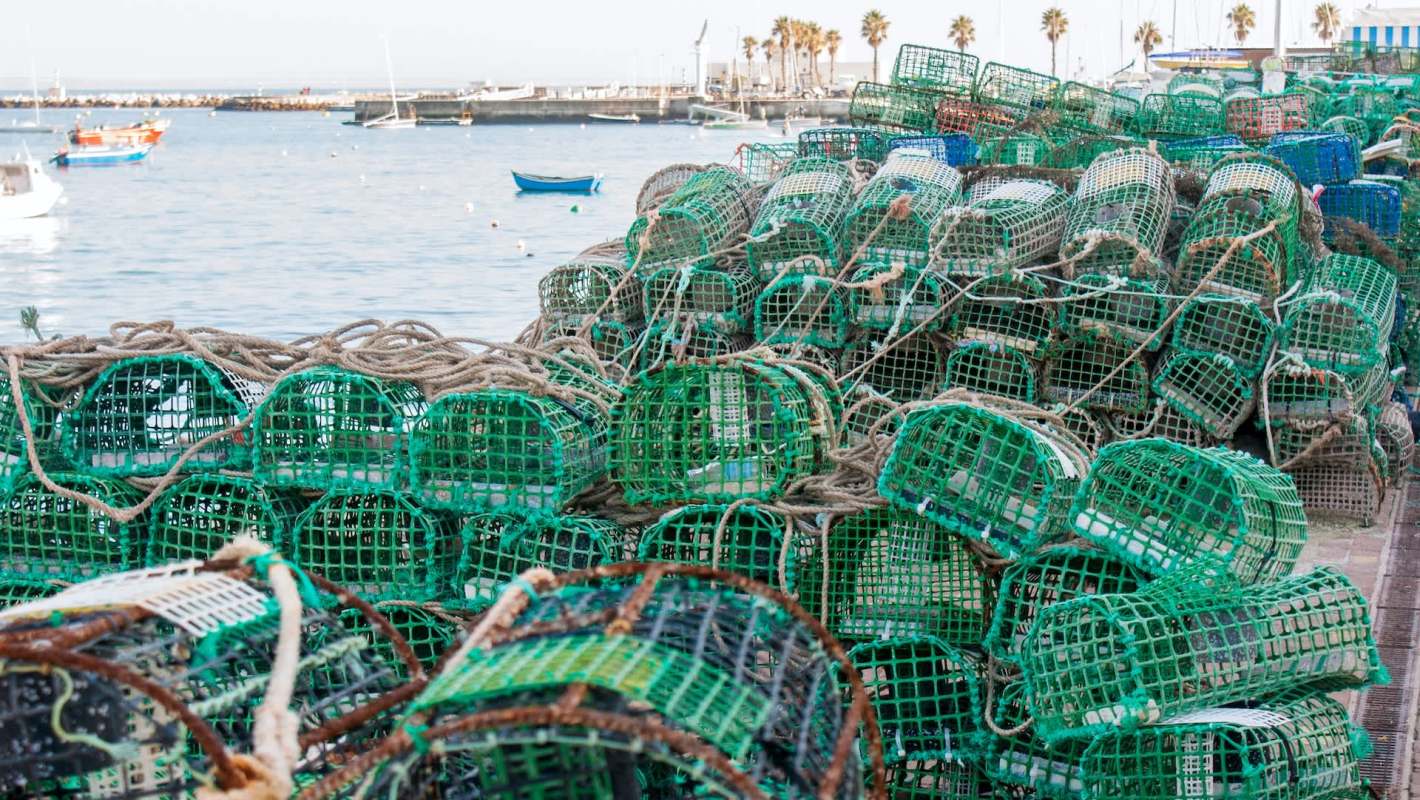
If you can't beat 'em, eat 'em! In Connecticut, an interesting new culinary trend is turning an environmental mess into a local opportunity, Fox 61 reported.
Across restaurants and markets, chefs are now serving the European green crab — one of Long Island Sound's most aggressive invasive species — in an effort to restore balance to coastal ecosystems while delighting diners with a surprising new flavor.
The invasive European green crab, introduced to the region more than a century ago, has long wreaked havoc on its marine habitats. These tiny but destructive crustaceans outcompete native species for food, destroy eelgrass beds, and have few natural predators.
For years, controlling the crab's population proved nearly impossible — until a recent policy shift allowed restaurants to serve the species without a bait license. Now, chefs such as Zach Redin of To the Gills in Oakville are turning the problem into a delicious solution.
"They have this super-rich intense crab flavor. It's unbelievable how little effort there is to make it taste like crab," Redin told Fox 61. His restaurant uses it to make flavorful seafood stock.
Beyond culinary innovation, this movement helps reduce pressure on native blue crabs and encourages consumers to engage directly in ecological stewardship — simply by eating adventurously. "It's part of eating the whole ecosystem," Redin added. "We're using what's already there rather than overfishing other species."
TCD Picks » Quince Spotlight
💡These best-sellers from Quince deliver affordable, sustainable luxury for all




And it's not just about this species; many Connecticut restaurants have made a name for themselves by prioritizing invasives on the menu. In an article for Mad, writer Anna Lipin reported on a culinary road trip to many of these institutions, declaring that their creativity has formed "a whole new subset of local tastes," describing the menus as "unthreatening, palatable, but most importantly, delicious."
Efforts like these demonstrate how coastal communities can pitch in to respond to environmental threats while supporting their most critical local economies, such as fishing and tourism. By adding invasive species to their menus, restaurants are essentially creating a new industry — supporting fishermen who harvest invasives rather than just killing them, adding a new product to the market, and raising public awareness on the value of ecological balance.
While eating green crabs may not eradicate the species, each meal represents a step toward a cleaner, healthier coast — and a more sustainable food system. The "eat the invaders" movement is proving that restoring balance can start with something as simple as what's on your plate.
|
Would you buy juice or yogurt made with bruised or misshapen fruit?
Click your choice to see results and speak your mind. |
 If I couldn't tell the difference 🤔
Join our free newsletter for easy tips to save more and waste less, and don't miss this cool list of easy ways to help yourself while helping the planet.







