


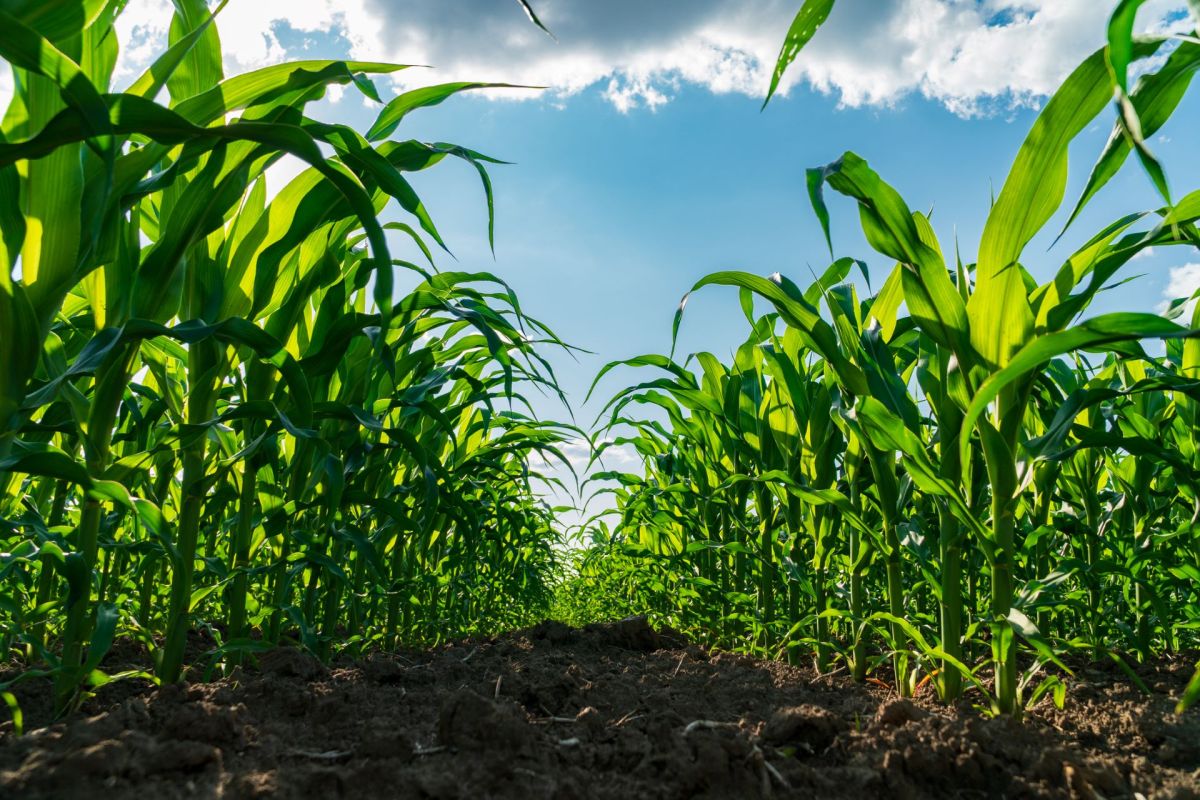
An international team of scientists is into some seedy business — but with noble intent.
The research group has been co-led by the University of Kentucky and China's Northwest A&F University. It says it has found a genetic on/off switch of sorts in corn seeds that could be used to help them last longer, thereby reducing waste, according to a UK news release.
The group's findings were published in October in the journal The Plant Cell.
This genetic knowledge about a seldom-considered part of a seed's journey could be transformational for many parts of everyday life, study co-author and UK horticulture professor Bruce Downie indicated.
"Roughly 70% of the human diet comes directly from seeds, and much of the rest depends on animals fed on seeds," Downie said in the release. "We eat them, wear them as cotton, ferment them into beverages and fuel. If seed lots fail, the costs hit farmers, companies, and consumers all the way down the line."
At issue, at least in part, is seed aging, which involves a protein repair enzyme. The "switch" controls how much of the enzyme RNA is made, along with protein. Some corn types have a stronger enzyme, helping the seeds survive longer storage times, per the release.
Perk up the winter blues with natural, hemp-derived gummies Camino's hemp-derived gummies naturally support balance and recovery without disrupting your routine, so you can enjoy reliable, consistent dosing without guesswork or habit-forming ingredients. Flavors like sparkling pear for social events and tropical-burst for recovery deliver a sophisticated, elevated taste experience — and orchard peach for balance offers everyday support for managing stress while staying clear-headed and elevated.
Learn more → |

Chemical reactions typically "twist and damage" proteins in dry seeds. This includes those important after seeds absorb water and begin to grow.
Making sure the enzyme switch is turned firmly "on" can promote protein production and better germination. It can also promote healthier seedlings by repairing damaged proteins rather than regrowing new ones. This happens during the early germination hours and saves crucial energy at the outset, according to the experts.
"If you want a seed to survive dry storage, you must protect and repair the machinery of protein synthesis," Downie explained.
Smart crop production is becoming increasingly important as the overheating of our planet is impacting yields worldwide. Extreme storms and heat waves are affecting food crops, from hazelnuts to apricots.
TCD Picks » Upway Spotlight
💡Upway makes it easy to find discounts of up to 60% on premium e-bike brands





|
What is the biggest reason you don't grow food at home? Click your choice to see results and speak your mind. |
 Not enough time ⏳
 In answer, experts have been using genetic tinkering to develop heat-resistant crops. Researchers at the University of Maryland, for example, have been working to help apples withstand higher temperatures. A pathogen-resistant orange tree in Florida, meanwhile, could be key to keeping the crucial food and its juice affordable, according to scientists working with the United States Department of Agriculture.
Resilient seeds could improve harvests even in ideal conditions.
"Seed producers invest heavily to deliver hybrids that farmers trust," Downie said in his statement to UK. "If a batch loses vigor in storage, that means lost germination percentages, replanting costs and is frustrating for farmers. Choosing lines with the stronger [enzyme] promoter is a practical step toward seed lots that stay reliable."
For its part, corn serves several key roles. The FAIRR Initiative, a global food commodity research group, reported in 2024 that the crop is used for 95% of U.S. animal feed, accounting for 40% of maize used stateside. "Around 45% of all corn is used to produce ethanol," which can be used for fuel, FAIRR said. A portion of the rest is used in a variety of foods and beverages.
The shift to electric vehicles could reduce ethanol needs. And eating more plant-based meals could limit the amount of corn needed for animal feed, if such dietary changes emerge at scale.
Eating more fruits and vegetables can also save consumers money and improve health. Studies have indicated that plant-based diets can reduce the risk of heart disease, diabetes, and certain cancers, according to Harvard Health.
Both moves help to reduce planet-warming pollution as well. Each EV that replaces a gas-burning car prevents thousands of pounds of harmful tailpipe exhaust, according to the U.S. Department of Energy. The Breakthrough Institute, a global research firm, has meanwhile shown that new United Nations data has livestock producing 12% of planet-warming pollution — while other studies have it closer to 20% — due to belching methane.
On the seed side, more sustainable solutions can be realized if the proper genetic switches are flipped. Downie said his team's work could advance efforts to "support farmers and safeguard the food supply."
"Many people never think about what keeps a seed alive from harvest to planting," he said in the university release.

Get TCD's free newsletters for easy tips to save more, waste less, and make smarter choices — and earn up to $5,000 toward clean upgrades in TCD's exclusive Rewards Club.
Cool Picks




