


A growing body of research suggests that everyday exposure to synthetic chemicals may be quietly fueling a public health crisis.
Outdated chemical safety rules may be allowing potentially dangerous substances to remain widespread in food, water, and consumer products.
What's happening?
An international team of 43 scientists is calling for an overhaul of how chemicals are tested and regulated in a new paper published in the journal Environmental Sciences Europe.
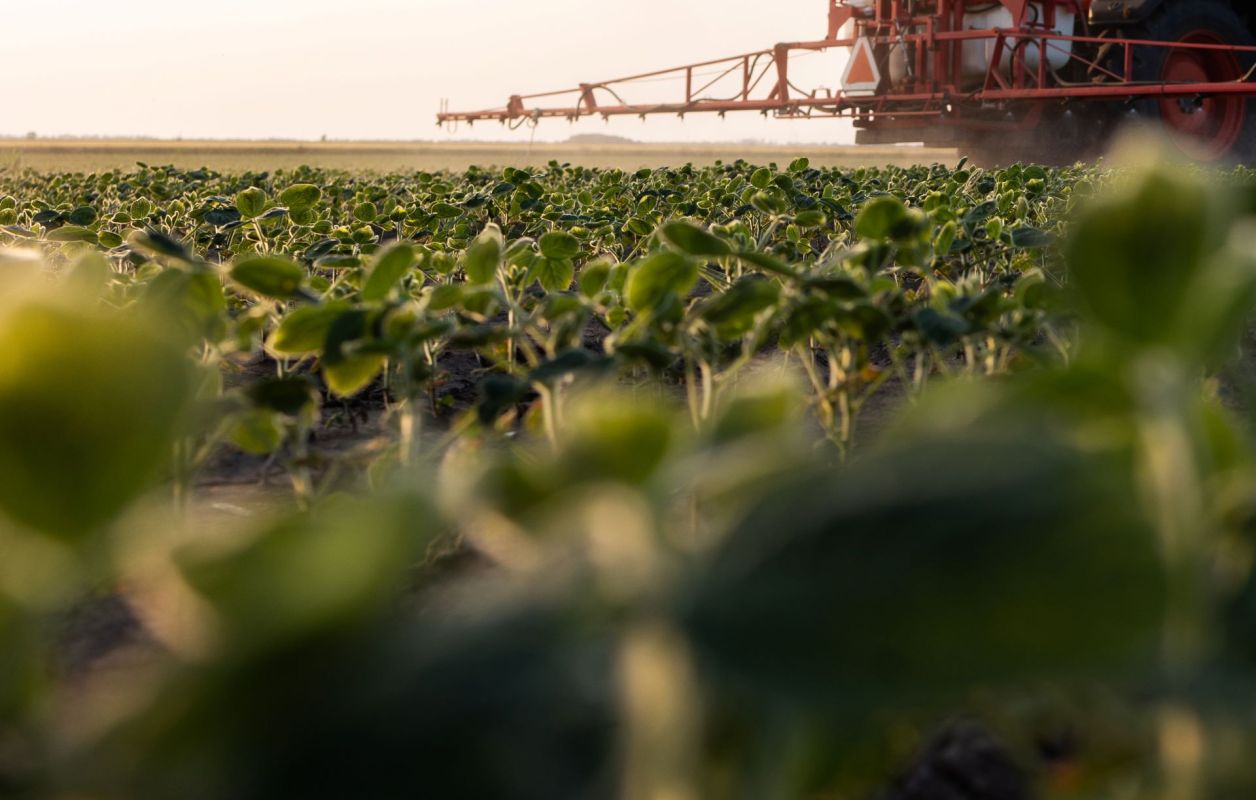
The co-authors argue that many pesticides and plastics have never undergone long-term safety testing in the forms in which they're actually used. Instead, they say, regulators often assess only a product's declared "active ingredient," not the chemical mixture sold on shelves or the inert ingredients.
That could be a major problem, according to the co-authors, because these mixtures can include undisclosed petroleum residues and heavy metals like arsenic, both of which may make products more toxic over time as they break down.
"We are facing a silent epidemic of chemical pollution," co-author Angelika Hilbeck, a biologist at ETH Zürich, told Mongabay. "Chronic diseases are surging, biodiversity is collapsing, and public trust in science is eroded by decades of conflicts of interest."
Why is this concerning?
Some experts are concerned that exposure to synthetic chemicals could be linked to increases in asthma, cancer, developmental disorders, and endocrine disruption, especially in children.
Pediatrician and epidemiologist Philip Landrigan told Mongabay that many chemicals in everyday use are now associated with measurable harm, but that "99% of the American public" may not be aware of the potential crisis.
Childhood chronic disease prevalence has risen 30% in the last 20 years, and childhood cancer rates have increased, according to data from the Centers for Disease Control and Prevention. While definitive causal links have not been firmly established across the board, there is concern among the scientific community.
Chronic illnesses can impact quality of life, reduce productivity, and drive up health care costs while disproportionately affecting lower-income communities often situated in closer proximity to industrial activity and facing inequitable access to organic foods and nontoxic products.
TCD Picks » Quince Spotlight
💡These best-sellers from Quince deliver affordable, sustainable luxury for all




|
Do you worry about having toxic forever chemicals in your home?
Click your choice to see results and speak your mind. |
 Majorly 😥
 While toxic chemicals have always existed, the new publication in Environmental Sciences Europe stresses that today's risks may be exacerbated by scale, persistent lobbying by manufacturers, and the combination of modern chemicals often derived from petrochemical byproducts, which both heat our planet and harm our health.
"The chemical and pesticide industry has been so effective in their lobbying that they've been able to keep a toothless law on the books and bring new chemicals to market with virtually no pre-market testing for toxicity," Landrigan told Mongabay.
What's being done?
Researchers have urged regulators to lower acceptable exposure limits, require long-term testing of full chemical formulations, and make all safety data publicly available.
Some countries are also moving to regulate entire classes of harmful substances and farming practices, with Switzerland banning per- and polyfluoroalkyl substances (commonly known as PFAs or "forever chemicals") and the European Union banning bisphenol A (or BPA).
In addition to regulation, individuals can help mitigate exposure by choosing products with fewer synthetic additives, backing local policies that prioritize public health and improve equitable access to well-being, and understanding how chemical exposure can affect them and future generations.

Get TCD's free newsletters for easy tips to save more, waste less, and make smarter choices — and earn up to $5,000 toward clean upgrades in TCD's exclusive Rewards Club.
Cool Picks




