


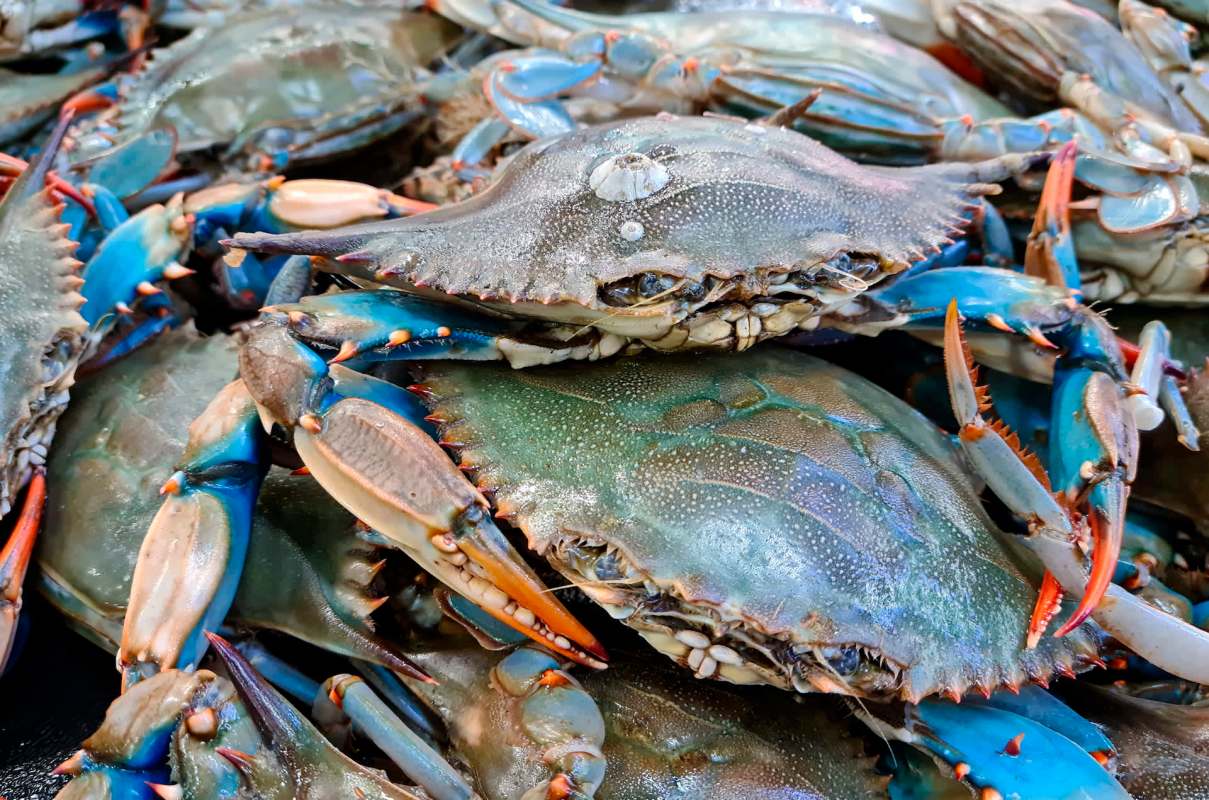
In Tunisia and across the Mediterranean, coastal communities are fighting an invasive species by turning it into food. The Atlantic blue crab is a fast breeder that is destroying native clam, mussel, and eel populations.
As sea temperatures rise because of the changing climate, nonnative species such as blue crabs, lionfish, and rabbitfish are flooding European waters, disrupting ecosystems and threatening traditional fisheries.
But instead of being passive victims, communities from Italy to Tunisia are adapting by harvesting these invaders and turning them into viable food sources.
Two invasive species of blue crab, in particular, have become notorious: one from the Atlantic, the other from the Indo-Pacific. Nicknamed "Daesh" by Tunisian fishers for their destructive behavior, these crabs tear up nets, decimate native shellfish, and reproduce at alarming rates.
The initial ecological nightmare transformed into a community conservation success. Over 30 processing plants in Tunisia are now active, exporting fresh, frozen, and cooked crab to more than 27 nations across Asia, Europe, and North America.
The goal? Reclaiming balance where ecosystems have shifted. "If, while on holiday this year, you see blue crabs at the fish markets or on your seafood platter, it is absolutely OK to eat them," WWF marine expert Simone Niedermüller told Radio FM4.
Beyond protecting biodiversity, this pivot is creating jobs and boosting local economies. For instance, women in communities were taught to construct blue crab-specific pots and created recipes with the species, with several tastings organized to showcase the variety of possible dishes, according to TP24.
The initiative reflects a broader trend of embracing invasive species. Florida chefs have embraced lionfish, wild boar is being served in fine dining, and people are hosting cook-offs featuring invasive plants. Each initiative shows how human appetites can be powerful tools for environmental restoration and local economies.
Next time you see blue crab on the menu, dig in. Your bite can help reduce ecological harm, support resilient fishing communities, and drive the seas toward a cleaner, safer future.
|
Why do you eat plant-based foods? Click your choice to see results and speak your mind. |
 The health benefits 🥗
Join our free newsletter for easy tips to save more and waste less, and don't miss this cool list of easy ways to help yourself while helping the planet.
TCD Picks » Quince Spotlight
💡These best-sellers from Quince deliver affordable, sustainable luxury for all




Cool Picks




