


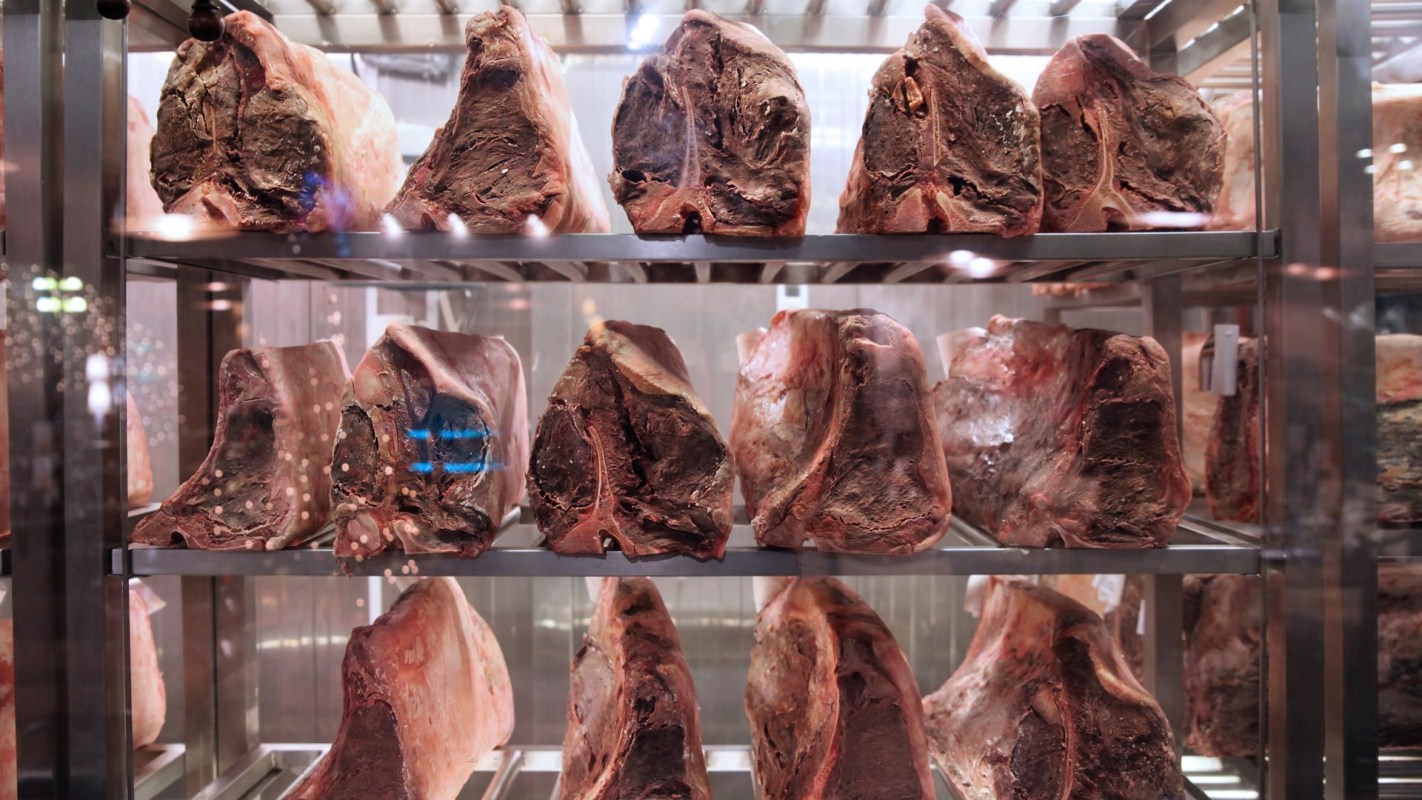
A recent Bloomberg report explored why the price of beef has risen so much over the past few years, projecting that costs could continue to rise.
What's happening?
According to data from the Federal Reserve Economic Database of the Federal Reserve Bank of St. Louis, the average price for a pound of fresh ground beef in the United States was $6.25 as of July 2025 — the most expensive beef has ever been.
In fact, the average price per pound of ground beef has not fallen below $4 since February 2021.
The Bloomberg report explains that climate challenges have significantly affected livestock farming.
Years of drought have impacted grass production crucial for feeding cattle, forcing ranchers to send their animals to the slaughterhouse earlier than usual to avoid buying more expensive feed for their animals. This has led to dwindling herds, as ranchers are selling their cattle quicker than the animals can reproduce.
"The long-term impact is that you have less ability to produce which is where we find ourselves now after four or five years of this process," Derrell Peel, an agribusiness professor at Oklahoma State University, told Bloomberg.
According to Bloomberg, rising global temperatures also affect cattle growth and their reproductive health, which further extends the timeline and cost for raising cattle.
In addition, the recent outbreak of screwworm in Central America and Mexico — a pest disease attacking livestock like cattle — has halted cattle trade between Mexico and the United States, further exacerbating the United States' limited supply of beef.
Why are rising grocery prices important?
Rising global temperatures have made farming much more difficult for many farmers around the world. In India, extreme weather damaged over 1,239 hectares of farmland between April 1 and July 14, affecting major crops including corn, barley, paddy, and other local produce. Heavy rains in the Arkansas Delta flooded over 260,000 acres of farmland, resulting in nearly $79 million in damages.
Extreme weather events, which are increasing in severity due to rising global temperatures, have put global communities at risk while drastically affecting the supply chain for food and groceries.
TCD Picks » Quince Spotlight
💡These best-sellers from Quince deliver affordable, sustainable luxury for all




|
How often do you eat meat? Click your choice to see results and speak your mind. |
 Every day 🥩
 Consumers thus pay the increased cost for food and groceries while navigating already tight budgets from post-pandemic inflation.
If climate patterns continue to threaten agriculture and livestock farming, food prices will keep rising for consumers.
What can I do to help?
Consumers can help ease the country's struggling cattle populations by eating less beef and incorporating alternative protein choices in their diet. A plant-based diet is not only better for your health and your budget, but it also reduces demand for meat, which will lower the amount of pollution created from the meat industry.
Consumers can also save some money at the grocery store by taking time to plan grocery trips around food you already have at home, reducing food waste and making your dollars stretch.

Join our free newsletter for easy tips to save more and waste less, and don't miss this cool list of easy ways to help yourself while helping the planet.
Cool Picks




