


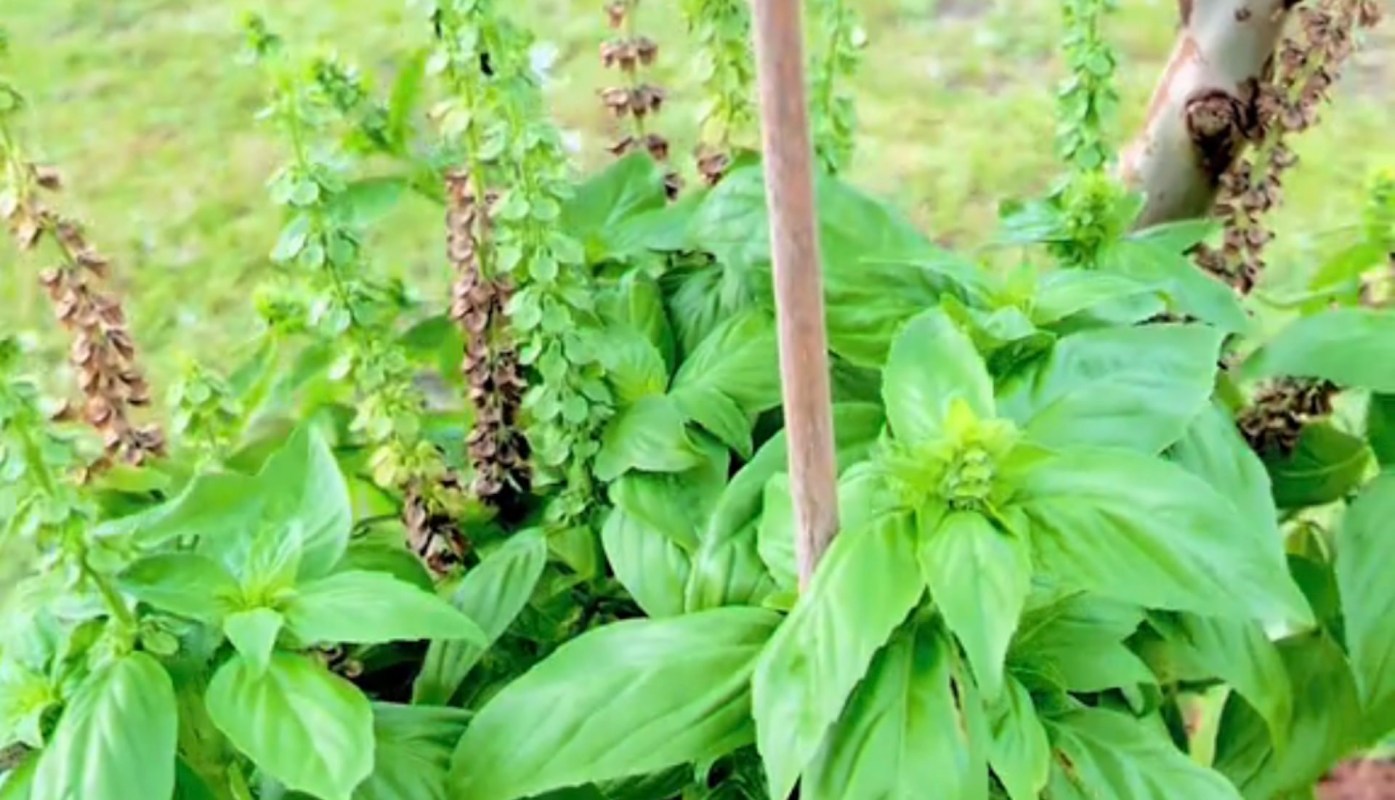
Stunned by the record growth of her basil plants, one home gardener shared with TikTok how to maximize plant growth using companion plants.
In her garden, Shontelle (@AgriMomAdventures) planted basil next to her guava tree.
@agrimomadventures Basil + Guava: Companion Planting at Its Best This morning's backyard check-in turned into a little celebration. I was out pruning the guava tree after spotting a few purple leaves — gave it a boost with Black Kow manure (a slow-release organic fertilizer) and topped it with mulch to lock in moisture. But the real star? The basil thriving underneath the guava! These are the biggest, healthiest basil plants I've grown yet — and they're not just for looks. Here's where companion planting comes in: Basil naturally repels pests like fruit flies, aphids, and whiteflies, which means it helps protect the guava tree without chemicals. In return, the guava provides partial shade that keeps the basil from bolting too quickly in our Florida heat. And the best part… tiny guavas are starting to form. This is the beauty of working with nature, not against it. 🌿✨ #CompanionPlanting #BackyardGarden #HomesteadLife #GuavaTree #BasilLovers ♬ her garden - Amory Reel
"These are the biggest, healthiest basil plants I've grown yet," she wrote in her caption.
The scoop
Companion planting is a gardening technique in which you plant different types of crops near each other that help each other out. These benefits can include weed and pest control without harsh chemicals, increased pollination, and increased crop yields.
On the Farmers' Almanac, you can find a suitable companion plant for most crops in your garden. For example, asparagus likes to be planted near tomato or basil plants. Potatoes can be planted near beans, cabbage, corn, peas, marigolds, and horseradish.
Shontelle chose to plant basil near every fruit tree in her garden to try to keep away the bugs. What she found on a daily check-in, however, was that the basil plants had flourished by being planted in proximity to her fruit trees.
"This is the beauty of working with nature," she wrote in the video's caption.
How it's helping
Basil is a great bug repellent, which helps keep away harmful pests from garden crops, allowing nearby crops to grow healthy and strong. Basil also attracts important pollinators to the garden and helps cross-pollinate plants, helping to secure and protect your home-grown food supply.
Finding the right companion plants for your garden crops and leveraging them to maximize your garden productivity can make your first time growing food at home easier and more successful. Successful yields encourage gardeners to keep growing.
Studies have found that those who garden tend to have a healthier diet and improved mental health compared to those who do not garden, making this a worthwhile and rewarding hobby.
TCD Picks » Quince Spotlight
💡These best-sellers from Quince deliver affordable, sustainable luxury for all




|
What is the biggest reason you don't grow food at home? Click your choice to see results and speak your mind. |
 Not enough time ⏳
 What everyone's saying
Commenters were grateful to learn this new gardening technique that they could try at home.
"I learn so much from you!" one commenter said.
"Smart!" another user wrote.
"My olive tree has a rosemary companion plant!" a third commenter shared. "I didn't know it was a thing, I just thought they really liked each other."

Join our free newsletter for easy tips to save more and waste less, and don't miss this cool list of easy ways to help yourself while helping the planet.
Cool Picks




