


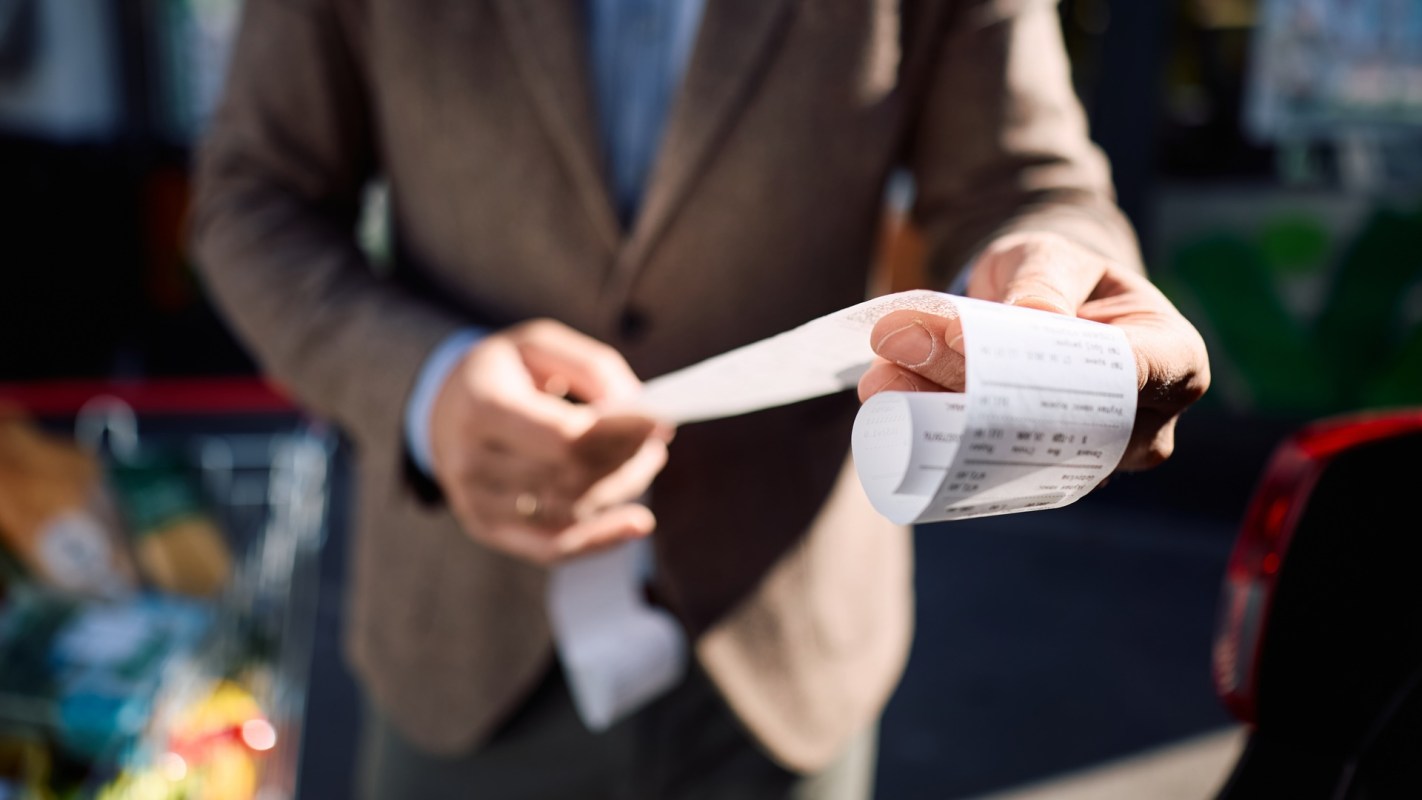
Cold fronts and storms swept through southern Spain last month, and the consequences landed in supermarkets across Europe. Andalucía, a southern region of Spain known for its Mediterranean climate and year-round agriculture, saw its harvests shrink significantly. In particular, Almería struggled with reduced yields, sending prices for peppers, zucchini, and eggplant sharply higher.
What's happening?
According to HortiDaily, early December storms and the arrival of meteorological winter tightened supplies across the region. European demand outpaced availability, keeping prices above last season.
Peppers were particularly affected, with lower planted areas and pest pressures limiting output. Red and yellow California peppers, which had hovered between 1.00 to 1.40 €/kg (about $1.12 to $1.57/kg), saw a slight price correction by mid-December, suggesting they may have reached a short-term peak.
Tomato varieties also experienced disruptions, though some types, like tomato-on-the-vine, recovered later in the month, closing around 0.80 €/kg (about $0.90/kg) and overtaking pear tomato at 0.76 €/kg (about $0.85/kg). Smooth tomatoes remained the most expensive due to limited supply.
It was zucchini, cucumbers, and eggplant that bore the brunt of the cold. Unpredictable weather reduced the overall harvests, making these vegetables scarcer at local markets and auctions. Prices jumped sharply: green zucchini rose 30%, Almería cucumbers 42%, and black eggplant a striking 75% week over week.
Why are rising food costs concerning?
For European shoppers, the spike translated to more expensive groceries, especially during the holiday season when families rely on fresh produce. For farmers, unpredictable weather and pest outbreaks created instability in harvests and income.
These challenges go beyond individual households and farms, pointing to broader vulnerabilities in the food system. "The crops we depend on for food are increasingly struggling to survive extreme weather, from heat waves to droughts and floods," Silvia Restrepo, president of the Boyce Thompson Institute, explained to Science Daily.
In regions like Andalucía, these disruptions can ripple through markets, making staple products less reliable and more costly.
What's being done to safeguard the food supply?
Farmers and supply chains are turning to science and innovation to protect the harvest. As Agnes Kalibata, UN Food System Chief, told TIME, "There are ways to manage the [farm] ecosystem — what farmers plant, how they use the soil — that can ensure that farmers produce a good crop."
This translates to strategies like experimenting with resilient crop varieties, adjusting planting schedules, and using protective greenhouse practices to help vegetables withstand storms, pests, and unpredictable winter weather.
TCD Picks » Quince Spotlight
💡These best-sellers from Quince deliver affordable, sustainable luxury for all




Consumers can also help mitigate the impact by planning out their food purchases, shopping smarter, and being flexible with seasonal produce choices. Small adjustments in how we buy and use food can help stretch budgets and reduce waste, while supporting a more stable and secure food supply overall.
|
Should plastic grocery bags be banned nationwide? Click your choice to see results and speak your mind. |
 Absolutely 👍
Get TCD's free newsletters for easy tips to save more, waste less, and make smarter choices — and earn up to $5,000 toward clean upgrades in TCD's exclusive Rewards Club.
Cool Picks




