


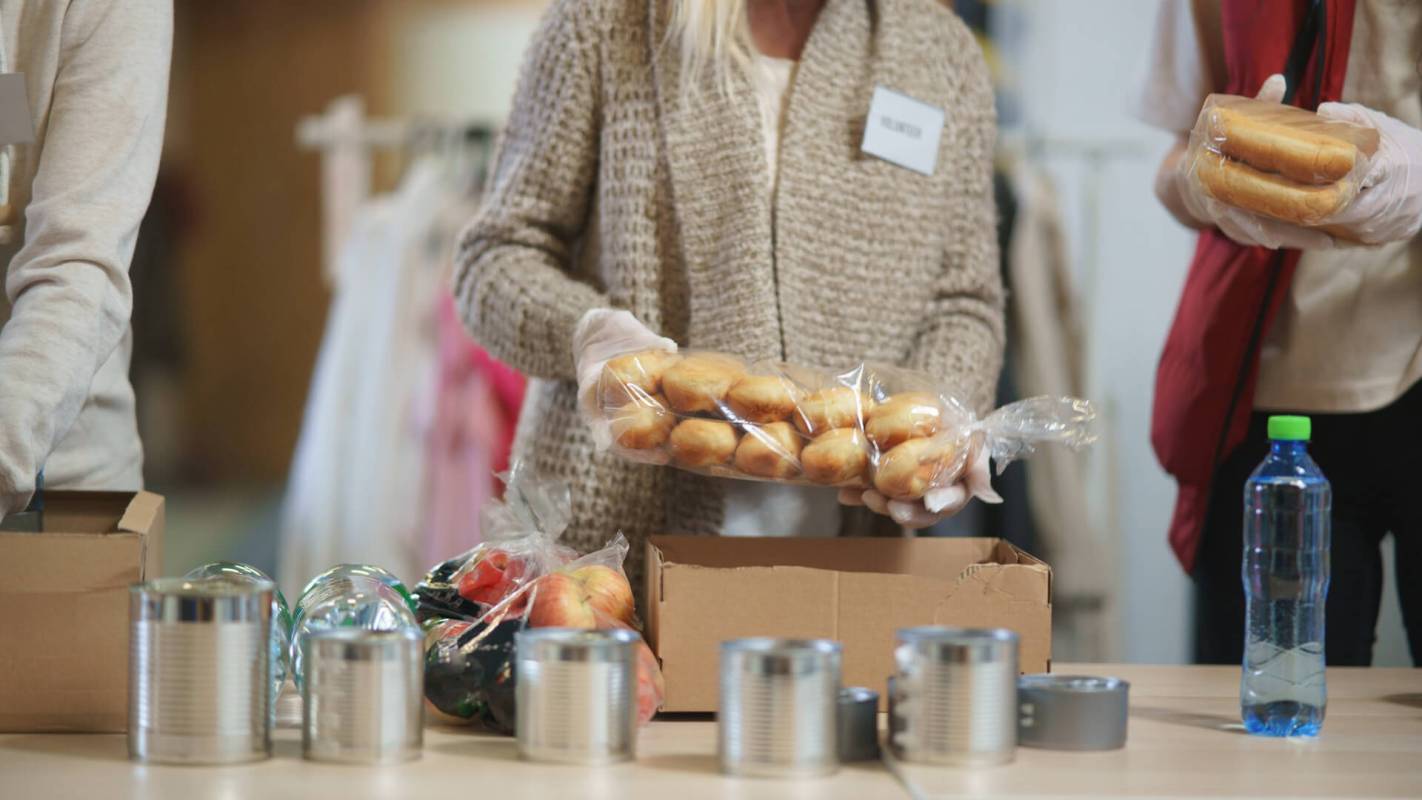
Many people struggle to afford food. But every day, grocery stores and restaurants toss tons of unsold food in the trash. From there, it ends up in landfills, where it decomposes and releases methane, a potent climate-warming gas.
So to fight both food insecurity and climate change, California is starting to require businesses to donate unsold food, such as produce and pastries, to food banks or other service organizations.
"That's great. But it requires some innovation and some tweaks in the food system to be able to accommodate that," says Sheila McQuaid of the 530 Food Rescue Coalition in northern California.
Her group matches food donations with organizations that can use or distribute them.
To transport the food, the coalition uses an app that allows volunteers to sign up as delivery drivers.
"It's like DoorDash for food rescue," she says.
TCD Picks » Quince Spotlight
💡These best-sellers from Quince deliver affordable, sustainable luxury for all




By harnessing volunteer power, the coalition saves thousands of pounds of food each month, keeping it out of landfills and getting it to people who need it.
"It's a win for the environment. It's a win for food insecure individuals," McQuaid says. "And it's a win for the community because our volunteers feel really good about participating in it."
Reporting credit: Stephanie Manuzak/ChavoBart Digital Media.
This article originally appeared on Yale Climate Connections.
Follow The Cool Down on Instagram and subscribe to our newsletter.







