


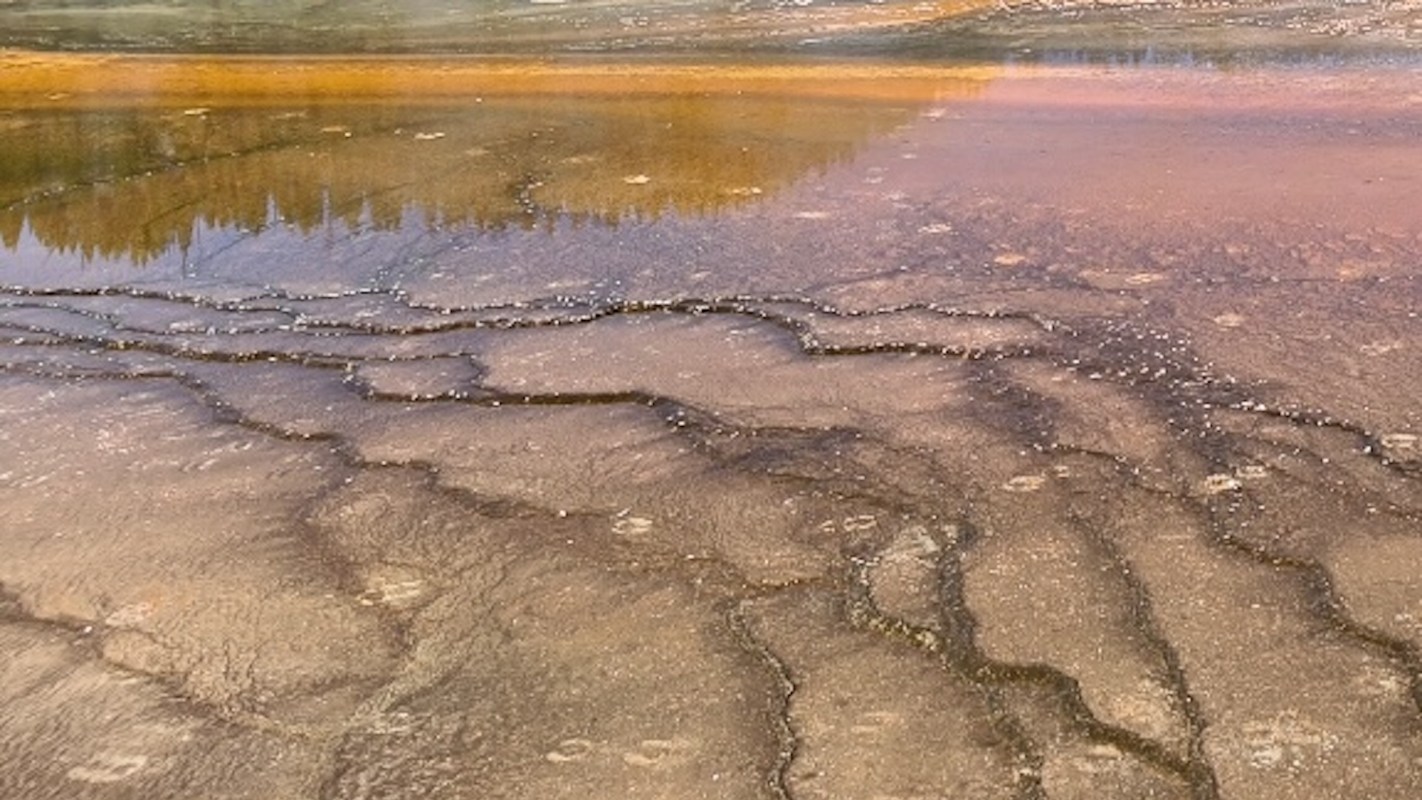
At Yellowstone's vibrant Grand Prismatic Spring, steam curls off the water in thick white plumes — a visual cue that the natural feature is, well, hot. Still, one visitor to the Wyoming hot spot recently overheard a fellow tourist ask a question that stopped them cold in their tracks.
The question: "Spring means it's not hot, right?"
The puzzling moment, recently shared on Reddit, highlights a dangerous misunderstanding about one of Yellowstone's most iconic — and deadly — features.
"To make it worse, five minutes earlier, I heard him talking very loudly to his family about the bison that, in his words, 'boiled to death in the spring,'" the visitor explained in the post. "How does it boil to death if it's not hot?"
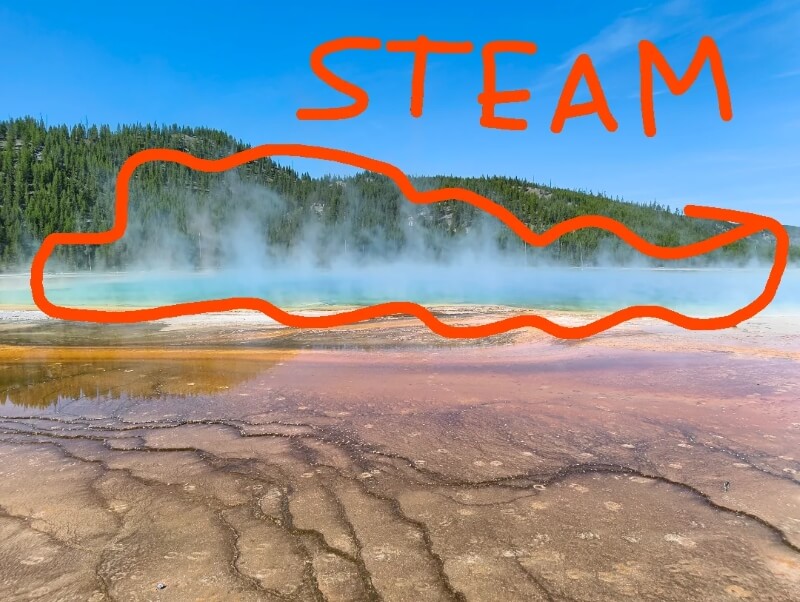
In the post, the visitor included a picture of the spring that day, with steam clearly rising from the surface.
The Grand Prismatic Spring is Yellowstone's largest colorful hot spring, spanning 200 to 330 feet in diameter and more than 121 feet deep. And, as the name "hot spring" would suggest, it is extremely hot. Grand Prismatic temperatures can reach up to 189 degrees Fahrenheit, per Smithsonian Magazine.
While this instance may seem to be a harmless — even silly — instance of visitor confusion, it points to a larger problem. Misunderstanding how hot springs work isn't just a personal safety issue — it's an environmental one.
When visitors underestimate the danger of hydrothermal features, they're more likely to step off designated walkways or throw objects into springs, disturbing fragile bacterial mats filled with thermophiles — the trillions of microscopic organisms that call these hot waters home.
Yellowstone's hot springs support these microscopic organisms, which give geothermal features such as Grand Prismatic their vivid colors — and even small disruptions can damage or kill these organisms, alter water chemistry, or permanently change a hot spring's behavior.
Increased human interference also forces park managers to restrict access or add additional preventative infrastructure to Yellowstone, all of which can further strain the landscape.
TCD Picks » Quince Spotlight
💡These best-sellers from Quince deliver affordable, sustainable luxury for all




|
Do you think America does a good job of protecting its natural beauty? Click your choice to see results and speak your mind. |
 Definitely 👍
 When visiting Yellowstone's hydrothermal features, visitors need to understand the landscape they're entering and take park guidance seriously. The National Park Service posts clear signage outlining where visitors can walk, what areas are off-limits, and why those rules exist. Reading and following these signs isn't optional; it's essential for protecting both visitors and the ecosystem.
When visiting hydrothermal areas, the National Park Service clearly advises staying on boardwalks and designated trails, as hydrothermal water can severely burn you. Geothermal hot springs, after all, can cause severe — even fatal — burns.
"You are responsible for your safety," the National Park Service advises. "Think safety, act safely. Yellowstone is a dangerous place."

Get TCD's free newsletters for easy tips to save more, waste less, and make smarter choices — and earn up to $5,000 toward clean upgrades in TCD's exclusive Rewards Club.
Cool Picks






