


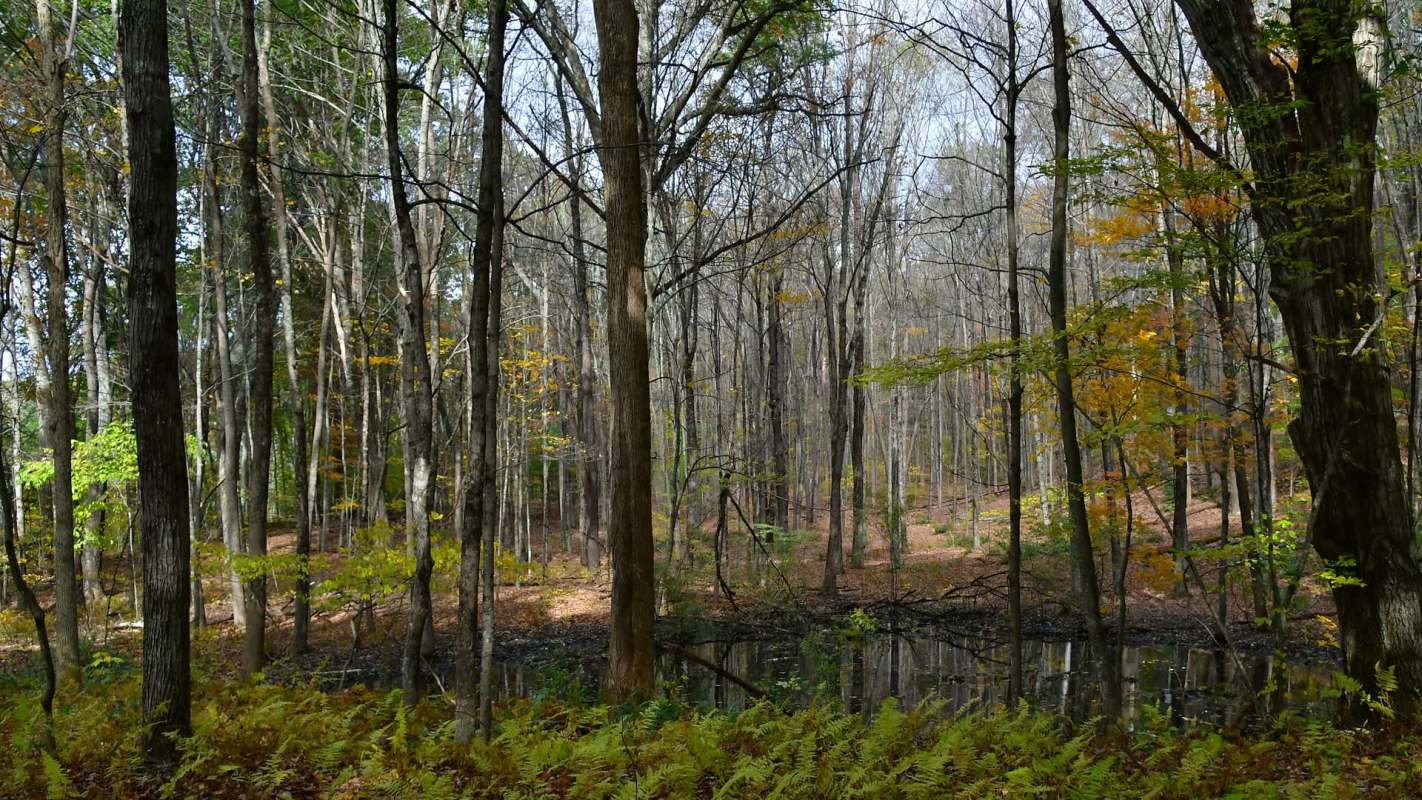
Months of dry weather across the Northeast United States have eased in recent weeks, but experts say the relief may be short-lived.
Scientists are increasingly warning that an overlooked factor — the growing frequency of extreme weather swings — is intensifying drought risks across the region.
What's happening?
According to Syracuse Public Media, climate researchers have concluded that droughts are no longer rare or short-term events.
Curtis Riganti, a climatologist with the National Drought Mitigation Center, told the outlet that the region has experienced "a much drier decade with more widespread and significant drought conditions" over the past five to 10 years.
Jessica Spaccio, a climatologist with Cornell University's Northeast Regional Climate Center, also noted that while the Northeast historically saw droughts every two to three years, the pattern has shifted. "We've seen droughts almost every year in the past five years," she said per Syracuse Public Media.
Why are these droughts concerning?
More frequent droughts, driven by the climate crisis, directly threaten lives and livelihoods. Prolonged dry conditions reduce crop yields, drive up food prices, and strain drinking water systems. When soils dry out, rain and snowmelt are less able to replenish groundwater, increasing the risk of water shortages months later.
Wildfire risk is another growing concern. Dry vegetation acts as fuel, making fires more likely and harder to control, especially as spring and summer temperatures rise.
This is not just a U.S. problem. Communities around the world are facing similar challenges. In central Somalia, for example, prolonged drought has led to severe water shortages and weakened livestock, devastating impacts in regions where families rely on herding for survival.
Globally, experts warn that relentless drought combined with rising global temperatures is unraveling food systems from Mexico City to southern Africa.
What's being done about these droughts?
Researchers and policymakers are working to better anticipate and adapt to worsening drought conditions.
TCD Picks » Quince Spotlight
💡These best-sellers from Quince deliver affordable, sustainable luxury for all




|
What's the most you'd pay per month to put solar panels on your roof if there was no down payment?
Click your choice to see results and speak your mind. |
 $200 or more 💰
 Scientists are developing improved forecasting tools, including an artificial intelligence system created by a University of Waterloo student that helps predict droughts in parts of Kenya, offering a potential model for early warning systems elsewhere.
At the community level, experts stress the need for preparation. By staying informed about the critical climate issues impacting our planet, we can help soften their impacts.

Get TCD's free newsletters for easy tips to save more, waste less, and make smarter choices — and earn up to $5,000 toward clean upgrades in TCD's exclusive Rewards Club.
Cool Picks




