


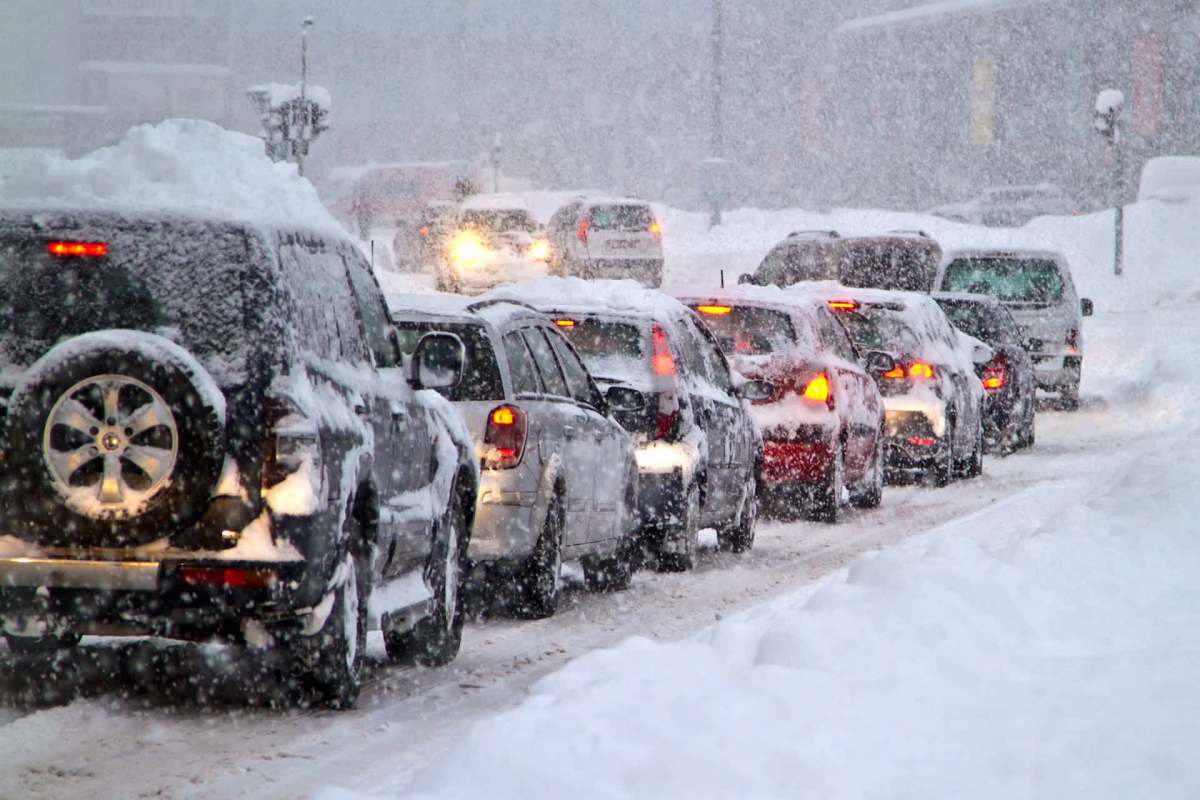
A paradox is unfolding across the East Coast. Even as winters get warmer, the biggest winter storms are becoming more intense — creating a dangerous combination that's catching communities off guard.
What's happening?
Pittsburgh was recently hit with nearly a foot of snow, 90.5 WESA reported, which narrowly missed the record set by the 2010 "Snowmageddon" storm. Temperatures remained well below freezing this week — and while this frigid weather may seem like a throwback to winters of the past, experts say it's part of a troubling pattern tied to rising global temperatures.
"Global warming has not stopped," said Mark Serreze, director of the National Snow and Ice Data Center. "You're always going to see variable weather patterns, and that's what we've got right now."
According to experts, East Coast winters are warming faster than any other season, and cold snaps are becoming rarer. But when they do come around, according to Matt Barlow, they can lead to more severe storms.
Barlow, a climate science professor at the University of Massachusetts Lowell, explained that warmer air holds more water. When temperatures dip low enough, all that extra moisture can fall as snow, fueling larger and more disruptive storms than usual.
Why is more extreme weather concerning?
The shift toward fewer but stronger winter storms puts lives, infrastructure, and local economies at risk.
As weather becomes less predictable, cities may scale back snow-removal budgets or emergency planning — leaving residents exposed when major storms hit. Barlow warned that when communities aren't used to severe winter events, response systems can lag.
At the same time, warmer winters means more precipitation falls as rain instead of snow, increasing flood risks while reducing natural snowpack that supports ecosystems and water supplies.
These changes threaten public health, strain emergency services, damage homes and businesses, and destabilize livelihoods — especially for low-income communities that already struggle to recover from disasters.
What's being done about this?
Scientists are investigating whether warming could turbocharge these storms by disrupting stratospheric circulation, potentially helping storms "stay cold — colder than they would otherwise be in a warming environment," Barlow said.
TCD Picks » Quince Spotlight
💡These best-sellers from Quince deliver affordable, sustainable luxury for all




|
What's the most you'd pay per month to put solar panels on your roof if there was no down payment?
Click your choice to see results and speak your mind. |
 $200 or more 💰
 Many cities and organizations are reassessing emergency response plans and upgrading infrastructure to handle increasingly intense storms — though experts warn that adaptation alone won't be enough. Reducing planet-warming pollution is essential to slowing climate shifts. That includes transitioning away from polluting energy sources such as oil, gas, and coal and expanding clean energy sources such as wind and solar.
Individuals can explore critical climate issues to stay informed about local risks, support community preparedness efforts, and advocate for policies that support clean energy adoption.

Get TCD's free newsletters for easy tips to save more, waste less, and make smarter choices — and earn up to $5,000 toward clean upgrades in TCD's exclusive Rewards Club.
Cool Picks




