


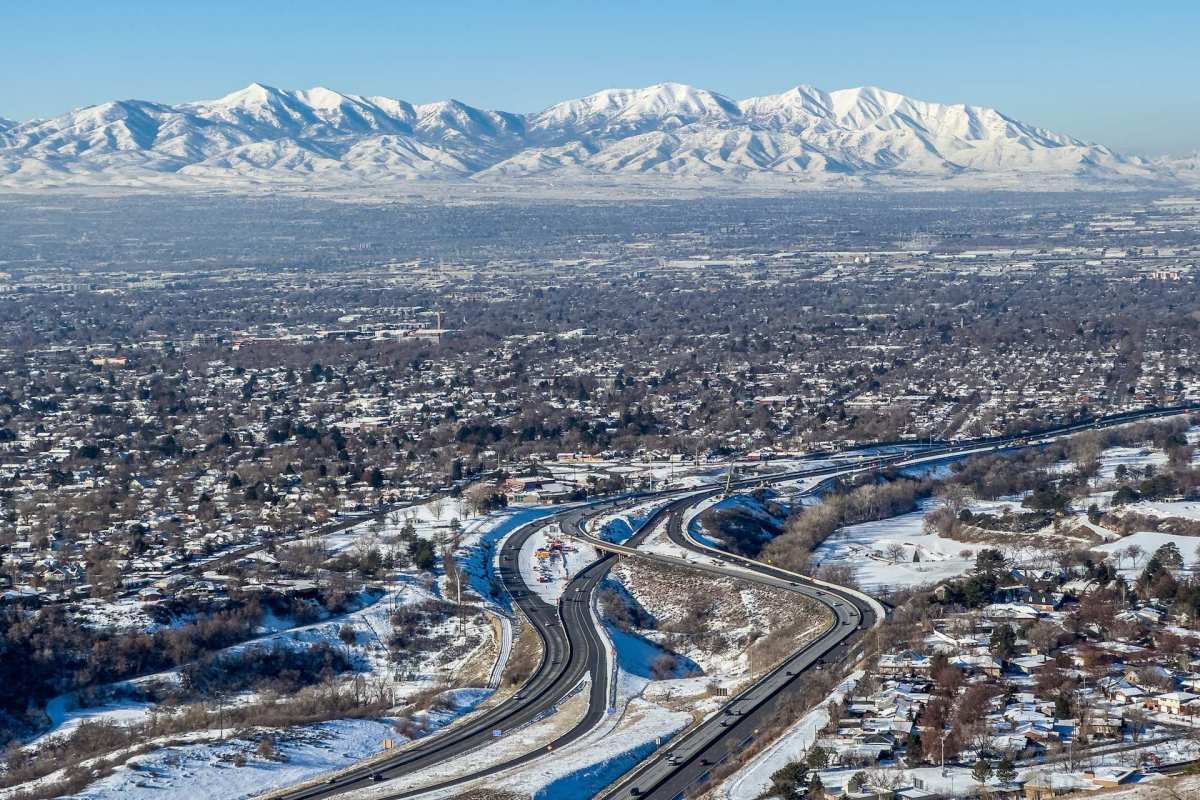
Research has shown that the average Olympic athlete begins training well before they turn 11 and spends roughly 14 years developing their skills — but as CNN reported, future generations might not experience the Winter Olympics at all.
What's happening?
The Winter Olympics — also known as the Milan-Cortina Games — are scheduled to run from Feb. 6 to Feb. 22 in Italy.
As CNN explained, individual 2026 Winter Olympics events will be held across the Italian Alps, including Cortina d'Ampezzo, which hosted the Games in 1956.
In February, average temperatures in Cortina d'Ampezzo have since leapt 6.4 degrees Fahrenheit (3.6 Celsius). Winter games like skiing, skating, and bobsledding rely on specific winter conditions, but snow, ice, and cold temperatures have become "increasingly unreliable."
Average temperatures are rising worldwide, leaving a rapidly dwindling "pool of potential locations" for the Winter Olympics in the coming years.
CNN quoted Olympic cross-country skier Jessie Diggins, who wrote about her own experiences with disappearing snow and ice as a professional athlete for Protect Our Winters. Diggins said the evidence of an overheating planet was "everywhere."
"Mountain towns that used to thrive on ski tourism are struggling through Decembers with no natural snow … Most of the time these days our race courses are just dirty ribbons of man-made snow cut through brown grass," she explained, citing an uptick in snow droughts.
Why is this concerning?
CNN reported that during the 2014 Sochi Games, researchers pinpointed higher-than-average temperatures as the cause of "high accident and injury rates."
One expert said that for athletes, the volatile conditions were "like skiing in a slushy," making it difficult for competitors to gauge speed and landings.
To be clear, weather can be unpredictable, and warm conditions during the Winter Olympics aren't outside the scope of plausibility.
TCD Picks » Upway Spotlight
💡Upway makes it easy to find discounts of up to 60% on premium e-bike brands
|
What's the most you'd pay per month to put solar panels on your roof if there was no down payment?
Click your choice to see results and speak your mind. |
 $200 or more 💰
 But scientists warned of a sustained trend where "snow is wetter and thinner, [and] conditions are rainier," endangering athletes and the future of the Games. The outlet cited a 2024 study that examined the feasibility of future events in light of current warming trends.
In what they called a "high emissions" scenario, they determined that "only 4 of the 93 locations" would be capable of hosting the Games in 2050.
Climate Central senior research associate Kaitlyn Trudeau told CNN that "the possibility of having Winter Olympics is literally melting away" amid climate inaction.
What's being done about it?
CNN identified the primary threat to the reliable cold required to hold the Winter Olympics: continued reliance on burning fossil fuels.
Understanding the link between human activity and rising temperatures is an important first step.
At an individual level, pressuring leaders to act is helpful, and small actions like choosing public transit and low-impact travel options can also drive change.

Get TCD's free newsletters for easy tips to save more, waste less, and make smarter choices — and earn up to $5,000 toward clean upgrades in TCD's exclusive Rewards Club.
Cool Picks






