


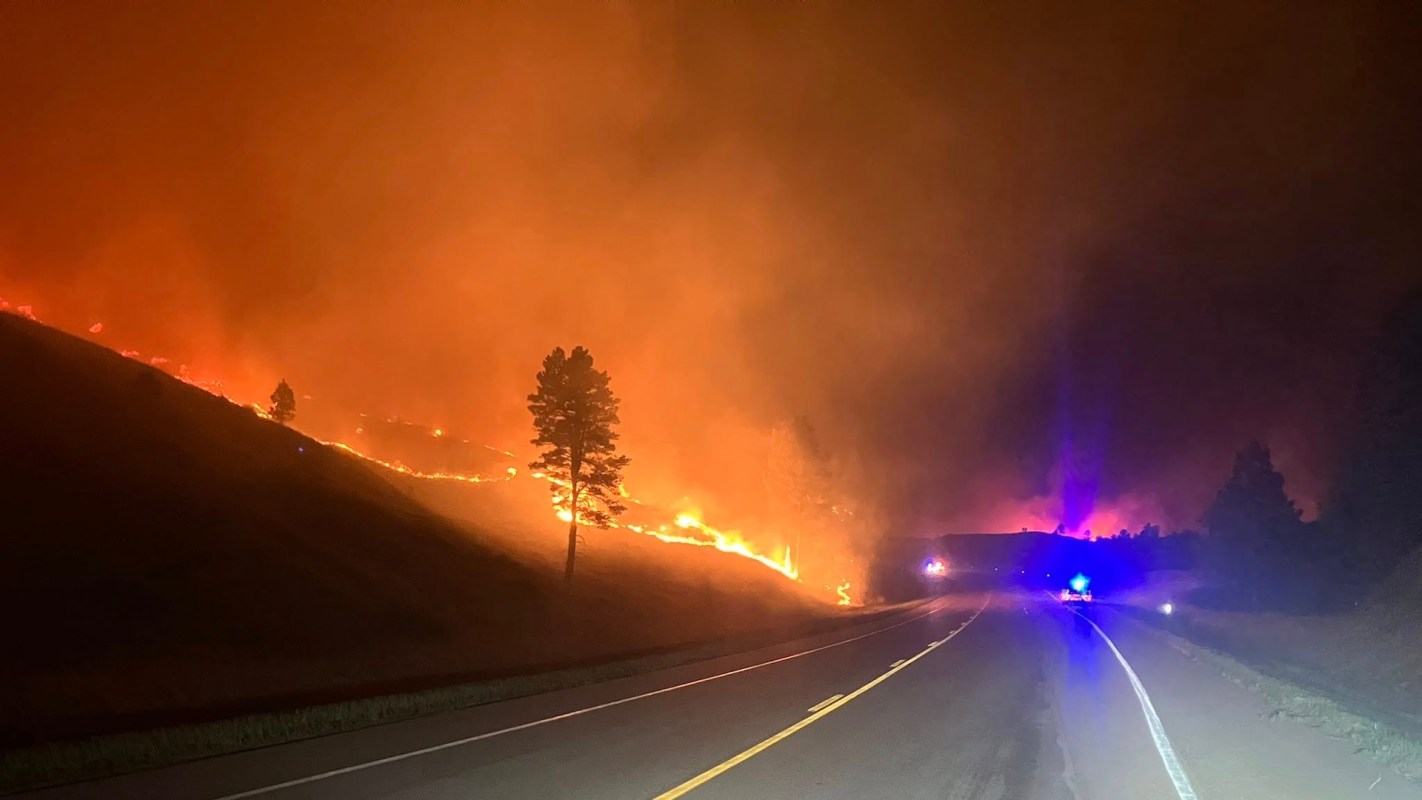
Evacuation orders were given in Nebraska's Panhandle after a wildfire tore through thousands of acres, with crews confronting heavy winds, parched vegetation, and very low humidity.
In this semi-arid part of the state, windy, dry weather helped the fire gain ground quickly, turning the blaze into a serious emergency within hours.
What happened?
Driven by strong High Plains gusts, the South Fork fire expanded in the Nebraska Panhandle, KOLN reported.
The fire began on Tuesday, June 9, and evacuation orders followed while local responders worked with state and federal partners in an effort to check the advance of the flames.
Residents have been told to stay prepared because fires in the area can veer unexpectedly and create hazardous conditions with little warning.
As of Thursday, June 11, the fire has consumed 23,000 acres and is only at 5% containment, according to NTV.
TCD Picks » Quince Spotlight
💡These best-sellers from Quince deliver affordable, sustainable luxury for all




Firefighters are trying to carve out containment lines around the burned areas, but dry vegetation, drought, and low humidity are making that work harder. Those conditions make fires race across the Panhandle, where the terrain is especially prone to burning.
The blaze is part of a wider regional trend: persistent drought has contributed to worsening wildfire conditions there in recent years.
Why does it matter?
Fast-moving wildfires put lives at immediate risk, but the damage can extend beyond the burn zone.
Families may be forced from their homes with little warning, ranchers and landowners can lose grazing land and infrastructure, and smoke from large fires can degrade air quality for vast swathes of the country.
Worsening extreme weather disasters like this also threaten livelihoods. When drought dries out landscapes, and strong winds intensify flames, the result can endanger public health, community safety, and local economic stability all at once.
What's being done?
Along with firefighters from nearby departments, state and federal teams are assisting the effort to contain the blaze and shield surrounding communities.
Right now, crews are focused on maintaining containment lines, monitoring wind conditions, and limiting the risk of the fire reaching new ground.
Officials continue to tell residents to stay alert and to act quickly on evacuation instructions if the situation deteriorates.
For people living in fire-prone areas, practical steps can help reduce risk at home: maintaining defensible space around structures, clearing dry brush, staying signed up for local emergency alerts, and preparing a go-bag with essentials in case evacuation orders come suddenly.

Get TCD's free newsletters for easy tips, smart advice, and a chance to earn $5,000 toward home upgrades. To see more stories like this one, change your Google preferences here.







