


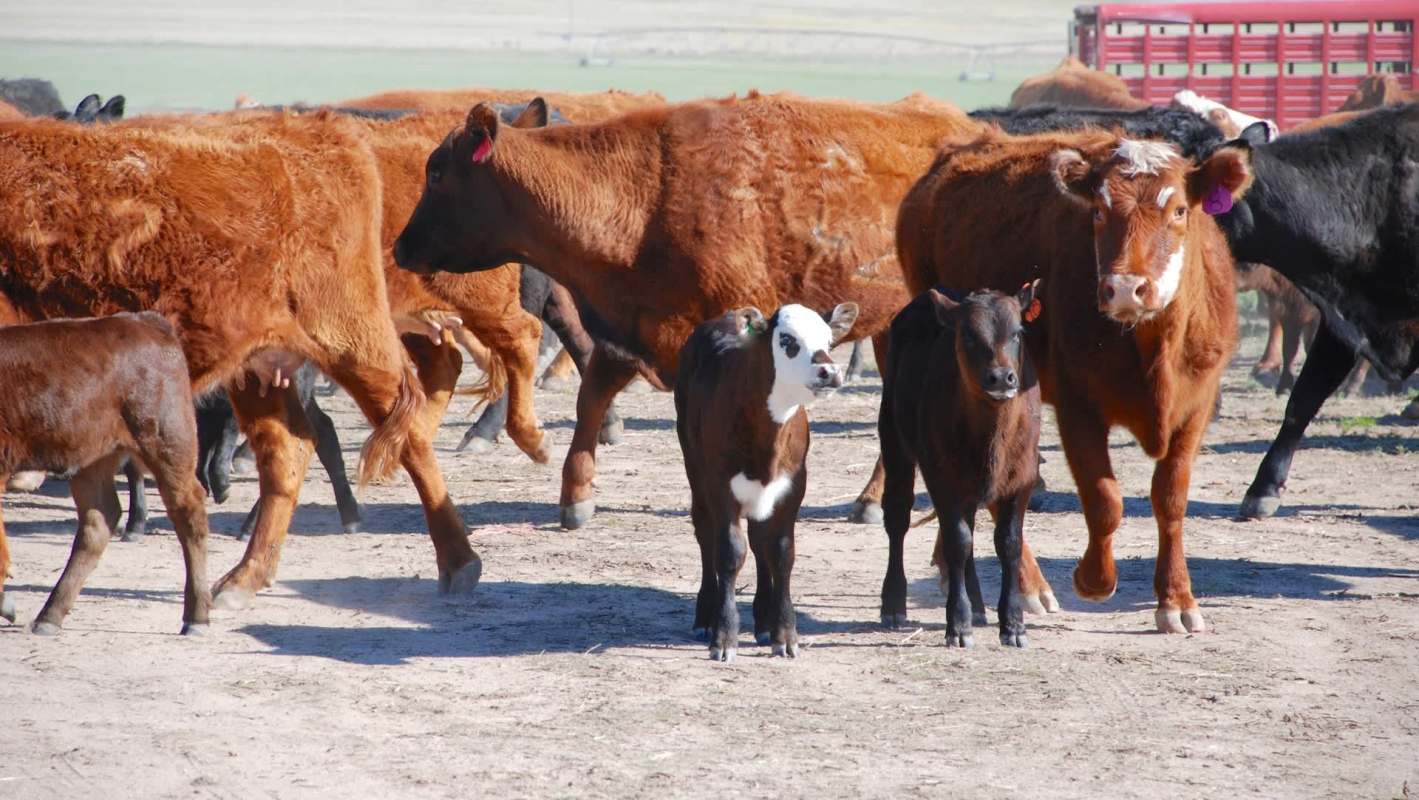
A brutal drought gripping parts of Wyoming and Nebraska is forcing ranchers into heartbreaking decisions, and the fallout is drawing growing attention as cattle sales surge well beyond their normal pace.
At one livestock market in Torrington, Wyoming, sales have climbed to nearly nine times the usual seasonal rate as grass vanishes and water sources dry up, Drovers reported.
What's happening?
The crisis is unfolding across parts of Wyoming, Nebraska, Colorado, and Utah, where an unusually warm, dry winter left ranchland without the moisture producers typically count on heading into summer.
Instead of lush pasture, many ranchers are now confronting bare fields, dwindling hay supplies, and even dried-up creeks and springs.
At Torrington Livestock Markets, co-owners Lander Nicodemus and Chuck Petersen told Drovers that what is usually a slow stretch of the year has turned into a nonstop rush. The market typically holds weekly sales in May and June, but it has had to add a second sale this year.
"The problem is drinking water for a lot of these ranches, actually," Petersen said. "The cricks and springs that they rely on year-round for stock water are going completely dry."
TCD Picks » Quince Spotlight
💡These best-sellers from Quince deliver affordable, sustainable luxury for all




According to the latest U.S. Department of Agriculture Crop Progress Report, 60% of U.S. cattle are currently affected by drought, and pasture conditions are among the worst for this time of year in the last decade.
Why does it matter?
These sell-offs are about more than one bad season. Cattle herds often represent generations of work, carefully made breeding decisions, and a family's primary source of income.
Once animals are sold, rebuilding can take years, and ranchers say that becomes nearly impossible when drought continues to hold the region.
Worsening extreme weather disasters can destabilize food production, threaten rural jobs, and strain local economies that depend on agriculture.
They can also endanger public health and safety, especially when drought overlaps with wildfire risk, dust, and water shortages. In Nebraska, some ranchers are already dealing with both drought and fire damage after spring blazes tore through grazing land.
What are people saying?
Ranchers have been blunt about the emotional toll. Petersen said producers are being forced to choose "which animals can stay and which can go," even when those herds are their livelihood.
Nicodemus warned that if meaningful rain does not arrive soon, larger herd dispersals could begin in mid-June.
Nebraska rancher Joe McGinley put it even more simply: "There's a lot of short-term decisions being made for long-term problems."

Get TCD's free newsletters for easy tips, smart advice, and a chance to earn $5,000 toward home upgrades. To see more stories like this one, change your Google preferences here.






