


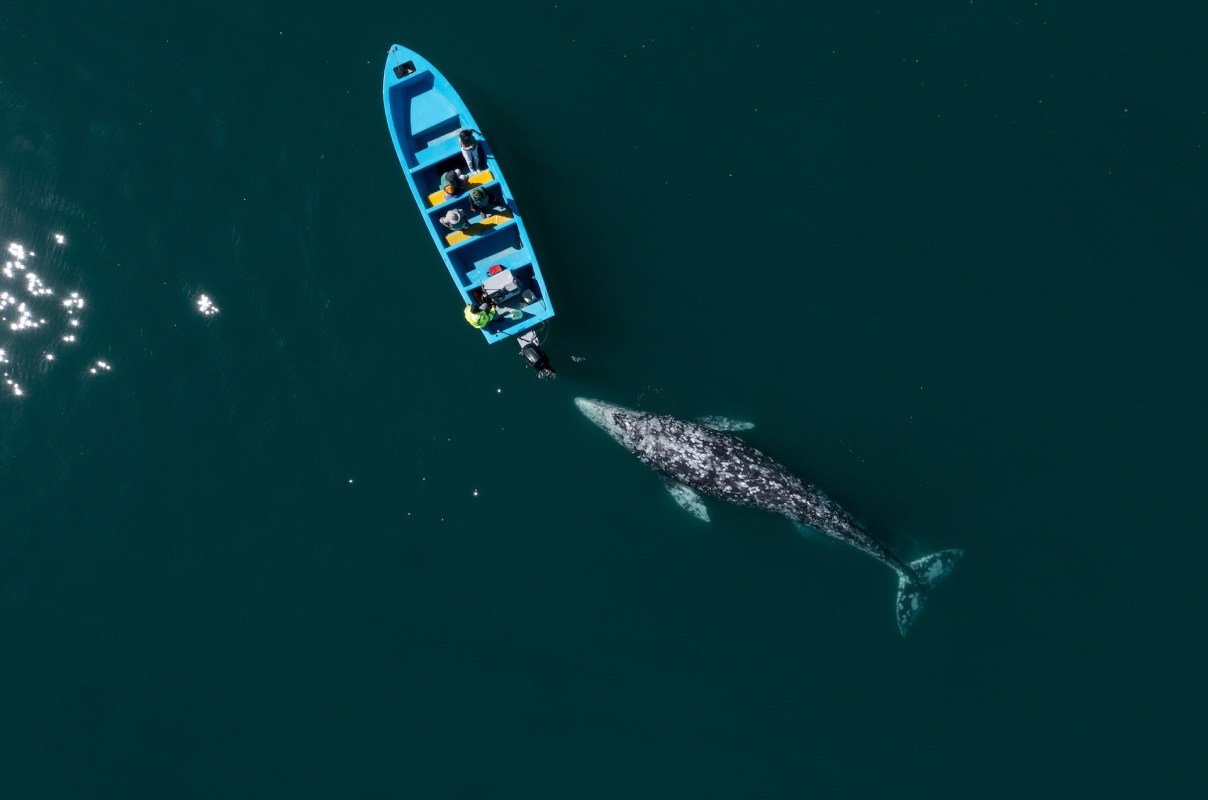
A federal review of whale entanglements off the U.S. coast has confirmed what marine responders have feared: the problem is accelerating.
Lines, ropes, and buoys, which are essential tools for fishing, are now among the most persistent threats to large whales, especially off California, where reports reached a record high last year.
What's happening?
A new report from the National Oceanic and Atmospheric Administration documents 95 confirmed whale entanglements in 2024, the highest number on record. Eighty-seven involved live animals, while eight were discovered after the whales had died.
California accounted for a quarter of all the reports, according to Phys.org, mostly around San Francisco and Monterey Bay. Humpback whales made up 77 of the cases, but gray, minke, and fin whales were also affected. NOAA data shows that since 2007, more than 920 humpback whales have been maimed or killed by long fishing lines, many linked to commercial crab operations.
"This report paints a clear picture: Our current safeguards are not enough," said Gib Brogan, campaign director for the ocean advocacy group Oceana, per Phys.org.
Why are whale entanglements important?
When whales become trapped, they can drag hundreds of pounds of gear for miles, often suffering deep cuts, infections, or starvation. The deaths don't just threaten whale populations. They also unsettle ocean ecosystems that coastal economies depend on, from fishing grounds to tourism.
Whales help sustain the marine carbon cycle by moving nutrients that fuel plankton growth, a key process in ocean-based carbon storage. Fewer whales mean weaker nutrient flows and less oxygen production, a quiet breakdown that reaches far beyond the water's surface.
The surge in entanglements also reflects a wider issue: As marine traffic and debris increase, the ocean's capacity to recover is shrinking.
What's being done about this new trend?
Researchers and fishers are testing ropeless or pop-up fishing gear that can raise traps remotely without fixed vertical lines. NOAA is also working with the industry to improve detection, response training, and data sharing along the Pacific Coast.
Advocates warn that progress could stall if proposed cuts to NOAA funding and efforts to weaken the Marine Mammal Protection Act move forward. In the meantime, reducing single-use plastics and choosing seafood from sustainable sources remain tangible ways for consumers to ease pressure on ocean habitats.
TCD Picks » Quince Spotlight
💡These best-sellers from Quince deliver affordable, sustainable luxury for all




|
How concerned are you about the plastic waste in our oceans? Click your choice to see results and speak your mind. |
 Extremely 😫
Join our free newsletter for good news and useful tips, and don't miss this cool list of easy ways to help yourself while helping the planet.
Cool Picks






