


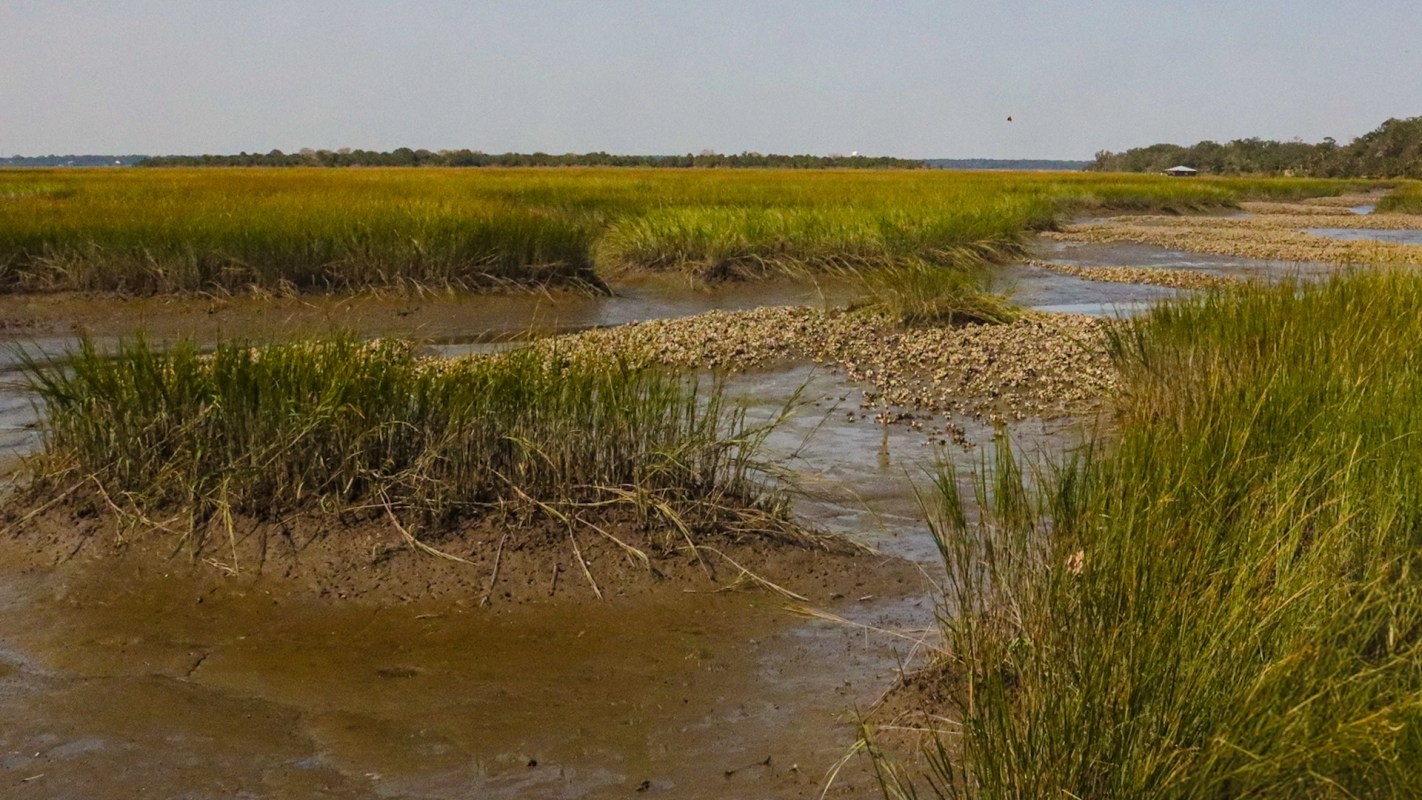
Marshes are vibrant ecosystems, typically rich in nutrients that support an array of biodiversity.
To save the Webhannet salt marsh in Wells, Maine, conservationists spread 1,000 cubic yards of sand to save the marsh from sinking. These efforts raised the marsh by 3 to 6 inches, Seacoastonline reports.
What's happening?
The sand is an innovative solution to a strange-sounding problem: the wetlands were too wet. When water in wetlands accumulates too much through flooding and soil erosion, it can damage the soil composition and spell disaster for plants. In turn, this harms wildlife.
As sea levels rise, wetlands along the coast are taking on more water. While these ecosystems hold water well and, in doing so, can protect local communities from flooding, they will come to a tipping point.
As Seacoastonline explains, nature would typically refill the lost soil as sand and mud would be washed into the wetlands during storms. With human development, these natural systems cannot function as they did before.
After a combination of modeling, chemical analysis, and permitting, teams from the University of New Hampshire and Ducks Unlimited successfully added sand to the marshes and created proper drainage systems.
University of New Hampshire professor Adrienne Kovach said, "Hopefully in a year or few, it'll look really different."
Why is wetland conservation important?
Wetlands are vibrant and important ecosystems that protect people, contain rich biodiversity, and provide important natural resources.
According to the EPA, wetlands naturally improve water quality, help mitigate shoreline erosion, and buffer local communities against flooding.
Increased flooding is a side effect of rising global temperatures. While floods have happened throughout history, the scientific consensus is that human-caused climate change has been supercharging extreme weather events. This makes them both more powerful and more dangerous to communities.
TCD Picks » Quince Spotlight
💡These best-sellers from Quince deliver affordable, sustainable luxury for all




|
Do you think America does a good job of protecting its natural beauty? Click your choice to see results and speak your mind. |
 Definitely 👍
 Wetlands also contain around 40% of the world's biodiversity. As Wetlands International notes, over one million threatened plant and animal species worldwide depend on these ecosystems for survival.
People also gain many resources from wetlands, like cranberries, blueberries, fish, and shellfish.
What's being done about shrinking coastal land?
There are two main ways to combat rising sea levels: mitigating the impacts of a warming climate and adapting to the present situation.
Mitigating climate change impacts involves moving away from burning dirty energy sources, such as oil, that add heat-trapping pollution to the atmosphere.
The efforts to save the Wells salt marshes are an example of creative adaptation to complex climate problems.
As Bri Benvenuti, a biologist in the region, explained to Seacoastonline, "If we have this sediment that's going to be pumped onto a beach or disposed of offshore, why can't we put it onto a marsh instead?"

Join our free newsletter for good news and useful tips, and don't miss this cool list of easy ways to help yourself while helping the planet.
Cool Picks




