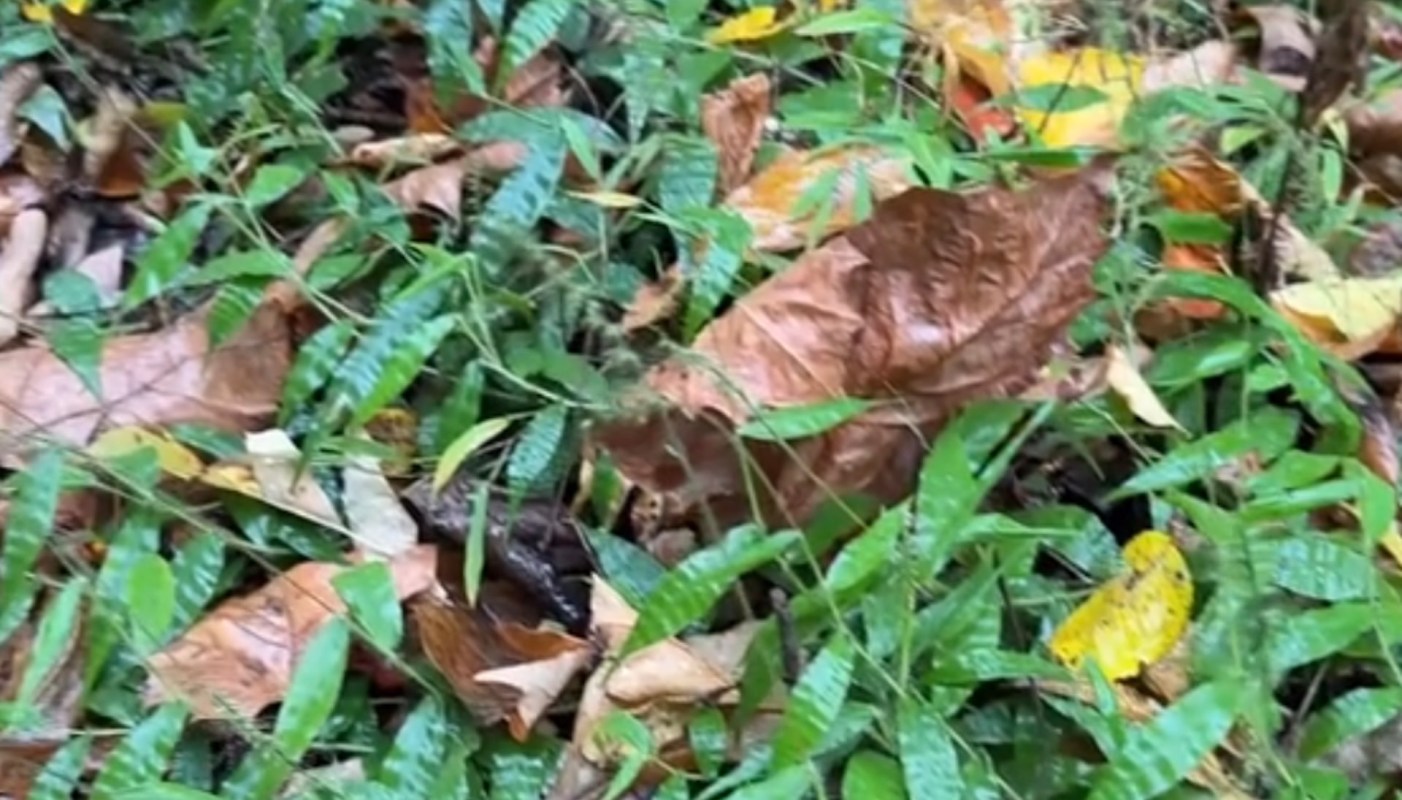
In a video posted to social media, one user shared a "hiking PSA" about an aggressive invasive plant: the wavyleaf basketgrass.
User naturally_cyms (@naturally_cyms) posted the TikTok video in early November to tell others about the invasive plant actively "in seed."
@naturally_cyms Hiking PSA, Wavyleaf basketgrass is currently in seed. Don't spread it to new areas. The seeds are very sticky and will hitch a ride. #Maryland #EastCoast #Nature #PlantFacts #Invasive ♬ original sound - naturally_cyms
The TikToker stated that the plant was first discovered in Maryland in 1996 but "has since spread throughout the Mid Atlantic region." Per the video, the plant spreads easily, dominating the forest floor and outcompeting natives for resources.
Additionally, the hiker shared that the plant's seeds stick to clothing, shoes, or pets' fur, which contributes to its spread across the country. They close the PSA by saying that if you see this plant has gone to seed, do your best to avoid it.
According to the U.S. Forest Service, the wavyleaf basketgrass spreads so rapidly that it can form dense mats that crowd out native species. The plant may also negatively affect wildlife habitats and tree regeneration.
Plus, no native animals or insects eat the plant, per the University of Maryland Extension, which makes it easier to spread. They're also tricky to remove, making them more time-consuming and costly to get rid of.
Perk up the winter blues with natural, hemp-derived gummies Camino's hemp-derived gummies naturally support balance and recovery without disrupting your routine, so you can enjoy reliable, consistent dosing without guesswork or habit-forming ingredients. Flavors like sparkling pear for social events and tropical-burst for recovery deliver a sophisticated, elevated taste experience — and orchard peach for balance offers everyday support for managing stress while staying clear-headed and elevated.
Learn more → |

Of course, this is one of many invasives. Plenty of others are wreaking havoc in communities, from black mustard, gorse and broom, and Bishop's weed.
Invasive species can cause a slew of adverse effects on wildlife and the ecosystem as a whole. For example, they can destroy native food sources, reduce biodiversity, and alter soil chemistry, reported the National Wildlife Federation.
Meanwhile, native plants offer many benefits for both people and the environment. Generally, native species require little maintenance, helping you save time and money. Additionally, they don't typically need chemical pesticides, keeping you and your family safer, explained the National Audubon Society.
Native plants can also reduce erosion, save water, and provide resources for pollinators, which are crucial to our food systems, per the USDA.
TCD Picks » Upway Spotlight
💡Upway makes it easy to find discounts of up to 60% on premium e-bike brands





|
What is your least favorite lawn chore? Click your choice to see results and speak your mind. |
 Mowing the grass 🌱
 In response to the TikToker's video, many commenters also expressed their frustration with the invasive plant.
One wrote, "That stuff is terrible."
"I have reduced it on my property," wrote another. "But it takes time and patience."
Replacing your traditional lawn or landscaping with native plants is a simple way to help stop invasives while saving time and money. Research plants native to your hardiness zone and choose options like clover or buffalo grass to replace lawns.

Get TCD's free newsletters for easy tips to save more, waste less, and make smarter choices — and earn up to $5,000 toward clean upgrades in TCD's exclusive Rewards Club.
Cool Picks