


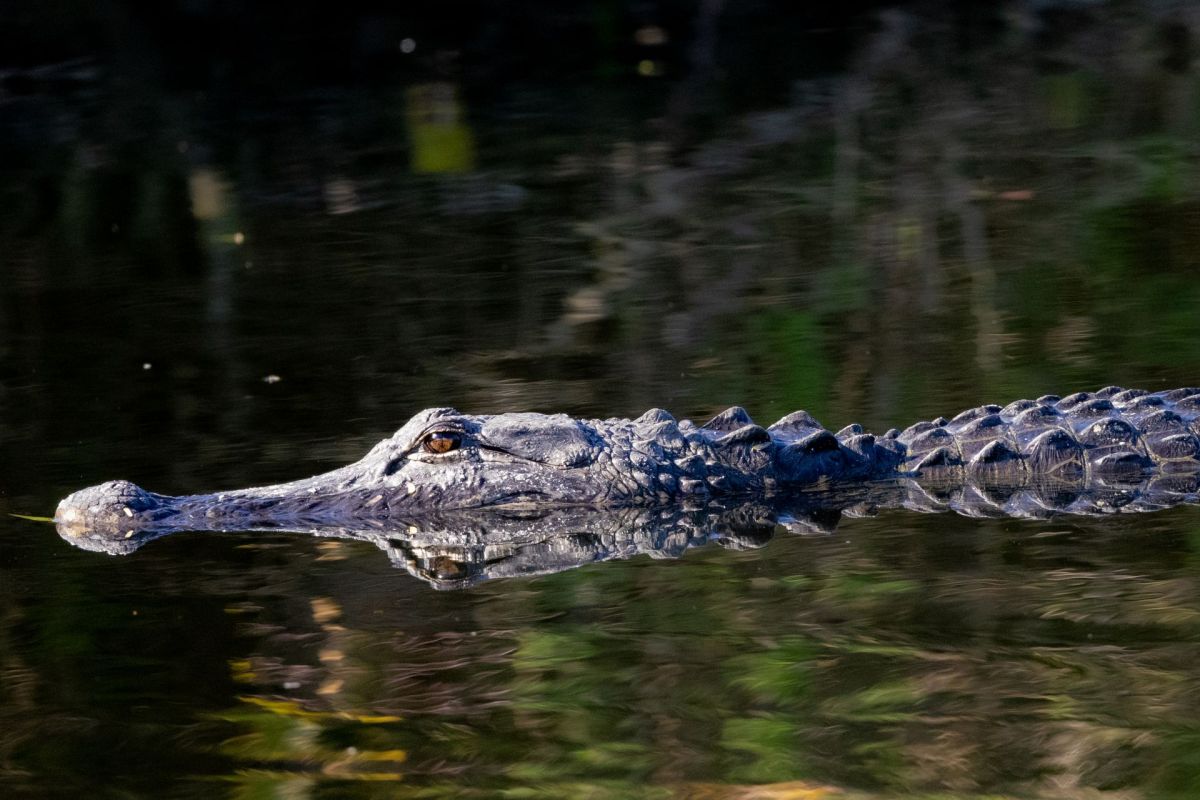
North Carolina wildlife officials are warning coastal residents and vacationers to give alligators plenty of space this spring and summer — and, most importantly, not to feed them.
As alligator mating season picks up and more people head outdoors, the state said reports of close encounters are on the rise.
What's happening?
The North Carolina Wildlife Resources Commission said its Wildlife Helpline biologists are receiving multiple calls each day about alligator encounters in coastal counties, WCTI reported.
Officials are urging the public to be "GatorWise" and remember that the American alligator is a federally protected species.
According to the agency, May and June are alligator mating season, which means the reptiles are naturally moving around more. At the same time, warmer weather is drawing more people outside, increasing the likelihood of sightings.
Officials said some of the most concerning interactions are being driven by human behavior.
TCD Picks » Quince Spotlight
💡These best-sellers from Quince deliver affordable, sustainable luxury for all




Feeding alligators can make them less fearful of people and more likely to associate humans with food, which is one reason some animals begin to approach people or act aggressively. Feeding alligators is also illegal under state law.
NCWRC also said relocating alligators is not always the answer. Many relocated alligators do not survive, while others try to return and can be struck by vehicles along the way, according to WCTI.
The agency added: "If an alligator approaches you, immediately move a safe distance away."
Why is this concerning?
When people feed alligators directly or leave behind food waste and fish scraps, they can unintentionally teach the animals to seek out places where people gather.
That creates risks for residents, visitors, pets, and children, especially in coastal communities where people live near marshes, ponds, canals, and retention basins. It also puts added pressure on wildlife officers, who may then have to respond to emergencies that could have been prevented.
This pattern is not unique to alligators. Once a wild animal begins associating people with an easy meal, its natural caution can disappear. Feeding wild animals often harms the animals just as much as it puts humans at risk.
For alligators, the consequences can be especially serious because they are most active between dusk and dawn.
What's being done?
State officials are asking people to keep their distance and never feed, harass, capture, or handle an alligator.
They also recommend properly disposing of fish scraps and other food waste to prevent animals from being drawn into developed areas.
If you live near water, officials advise keeping pets leashed and away from the water's edge and supervising children near water. They also recommend avoiding swimming in areas with dense vegetation, particularly during low-light hours when alligators are more active.
WCTI shared the N.C. Wildlife Helpline, 866-318-2401, for residents to call with questions on weekdays from 9 a.m. to 5 p.m. Violations and after-hours emergencies can also be reported to Wildlife Enforcement at 800-662-7137.

Get TCD's free newsletters for easy tips, smart advice, and a chance to earn $5,000 toward home upgrades. To see more stories like this one, change your Google preferences here.







