


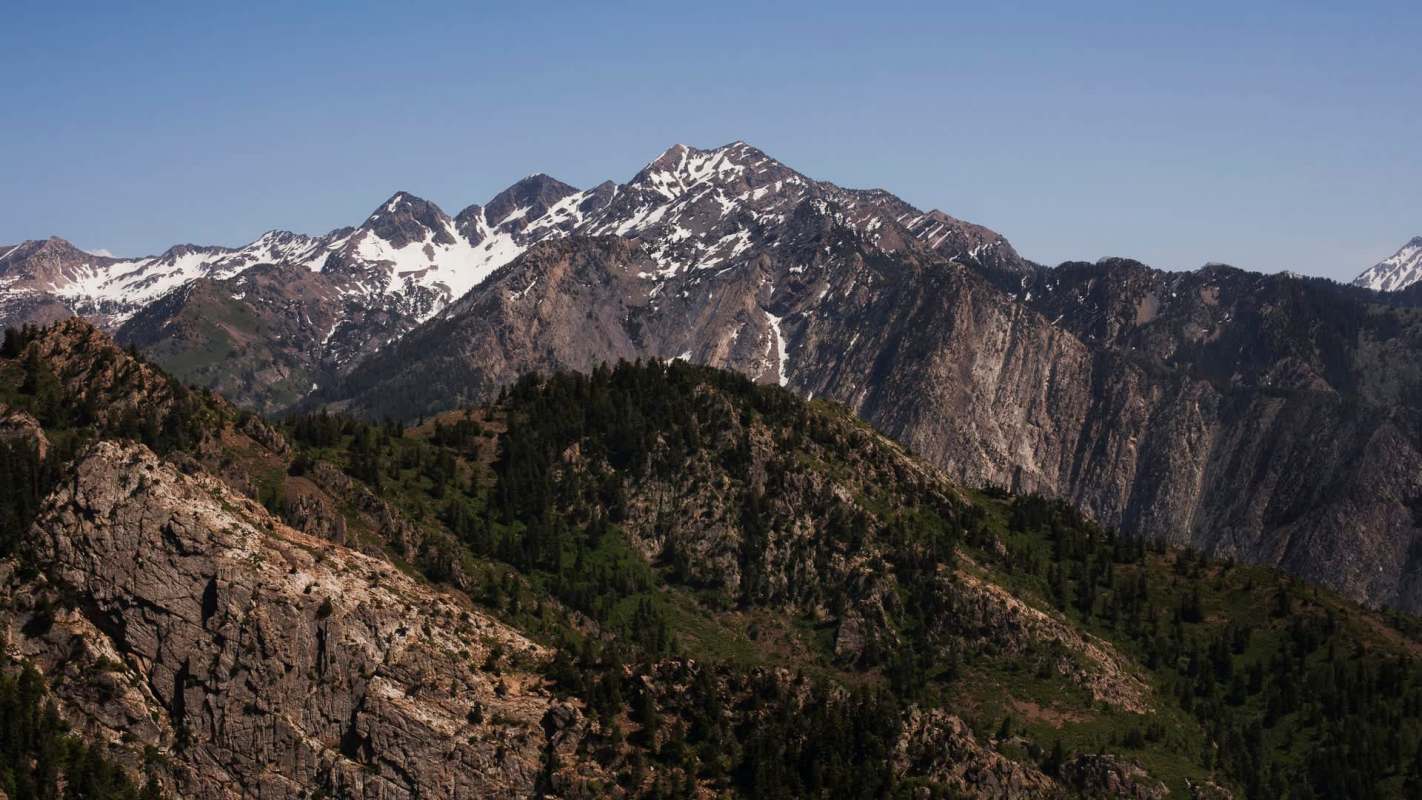
Utah is experiencing one of its warmest, driest starts to winter on record — a trend meteorologists said reflects a broader warming pattern across much of the western United States.
What's happening?
December data from the National Weather Service showed that Park City received less than 3 inches of snow. Temperatures more closely resembled spring than winter, KPCW reported near the end of the month. It followed a rainy October, the state's wettest since the earliest documented precipitation records.
NWS meteorologist Brittany Whitlam said that the state's winter season has become warmer since weather stations started tracking temperatures in 1992. "We have seen an overall upward trend in temperature, pretty much across the entire West," Whitlam remarked, per KPCW.
Although predicted storms offered hope for increased snow and more snow did eventually make an appearance, late and minimal snowfall has become a disturbing trend across U.S. mountain states.
Conditions can be too warm to produce snow artificially via snowmaking machines. Without cold air, the machines' output won't fully freeze before snow crystals hit the ground.
Why are record-high winter temperatures concerning?
A snow-starved winter goes beyond delayed ski resort openings and operational adjustments. It affects supporting businesses in transportation, accommodations, and other services.
According to One Green Planet, resort owners expanded their terrain and added amenities last year to attract visitors, even if snow coverage becomes inadequate for skiing. However, snowmaking and construction work require water and energy, which the region is already struggling to conserve.
In places like Utah, the impact of scant snowfall is even higher, as about 95% of the water supply comes from snowpack, per the state's Department of Natural Resources. This adversely affects drinking water, food supply, as well as wildfire preparedness. Hotter, drier conditions can also worsen air quality and increase heat- and smoke-related health risks, particularly for children, older adults, and outdoor workers.
What's being done about it?
Besides rescheduling opening dates and using snow guns, Utah establishments have diversified winter activities, such as dog sledding and snowmobile tours, to stay afloat when snowfall is sparse.
As a result of Mountain Towns 2030's networking sessions, they have been able to build net-zero-energy housing projects and harness green energy to meet local power needs. They have also been able to start recycling programs and develop sustainable transport plans. Meanwhile, snowmelt-reliant locations have local ordinances for indoor and outdoor water conservation.
TCD Picks » Quince Spotlight
💡These best-sellers from Quince deliver affordable, sustainable luxury for all




Staying abreast of critical climate issues will remain valuable as the American Northwest can expect continued and more intense snowfall deficits.

Get TCD's free newsletters for easy tips to save more, waste less, and make smarter choices — and earn up to $5,000 toward clean upgrades in TCD's exclusive Rewards Club.
Cool Picks






