


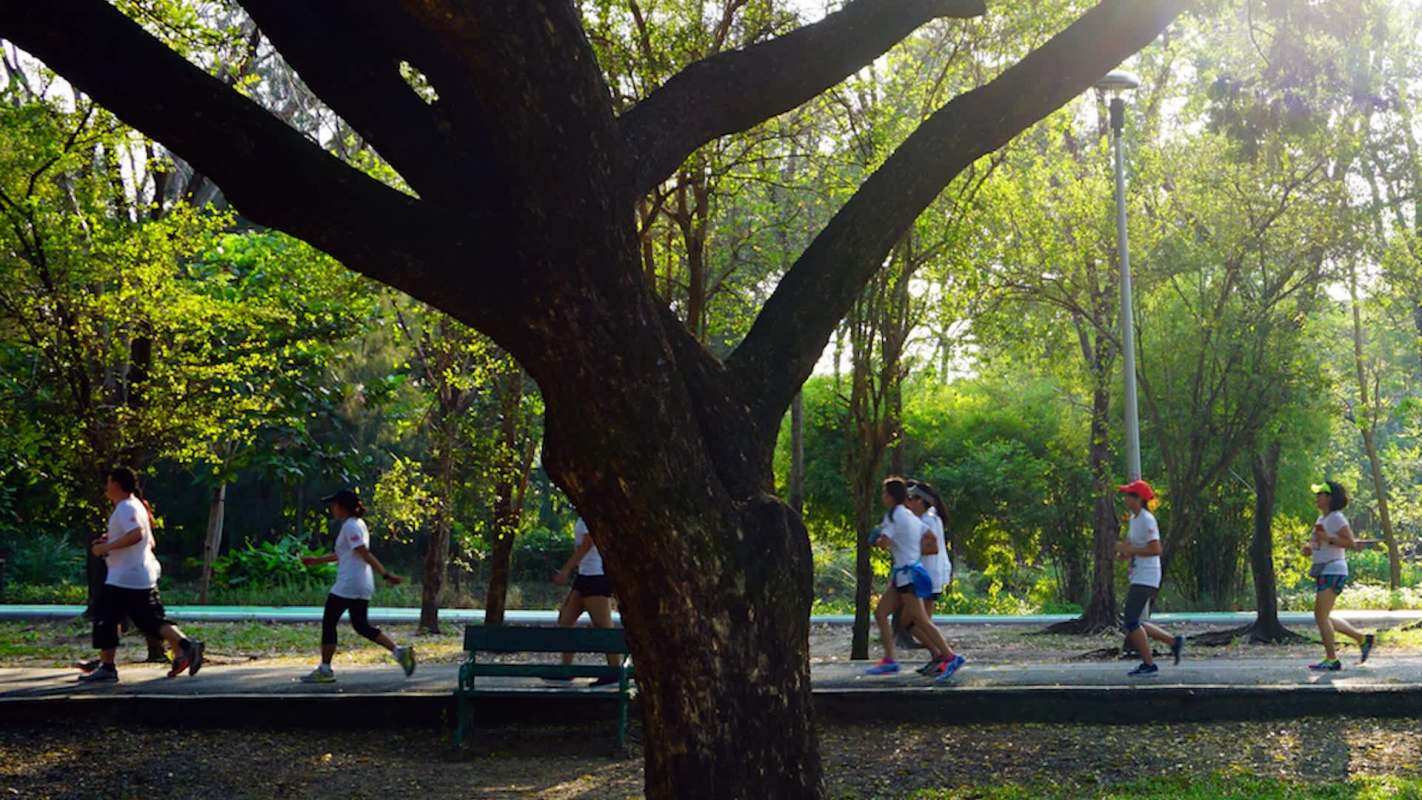
Intriguing new research has pointed to an unexpected benefit of sustaining tree growth in urban environments. According to a study published in October in the American Journal of Epidemiology, more tree cover could lead to fewer harmful falls on city streets and sidewalks.
Researchers from Columbia University Mailman School of Public Health and other notable institutions examined health records from April to September 2019 to determine how tree canopy cover might affect the likelihood of injurious falls. Where there was greater coverage, the risk of injury from falls decreased significantly, a Columbia news release explained.
The study noted that about half a million people are injured from outdoor falls every year in the United States, but this phenomenon isn't nearly as well understood as indoor falls.
"Unlike indoor falls, which are often linked to personal health factors, outdoor falls are shaped by environmental conditions," said Andrew Rundle, senior study author and professor of epidemiology at Columbia, in the release. "Our findings suggest that tree cover, by lowering ambient temperatures, may help reduce fall risk."
Cities are heat islands that can be up to 15 to 20 degrees Fahrenheit hotter than surrounding areas. Extreme heat, driven largely by the proliferation of heat-trapping pollution, is becoming increasingly common and can have serious physiological effects on the human body, heightening the risk of injury. It can lead to dizziness as well as impaired vision and judgment. The pavement itself adds to the risk, as the asphalt often cracks and deforms under extreme temperatures, creating a hot, rough tripping hazard.
Trees are a natural counter to this problem. At 40% cover, they can lower the ambient temperature by roughly 7 to 9 degrees Fahrenheit and help make cities more walkable. Trees in cities help reduce energy demand by cooling the area while improving air quality and providing habitats for urban wildlife.
Adding some greenery to an urban space is one of the most straightforward and effective forms of local environmental action, but it can get tricky.
"Many cities have tree planting campaigns, particularly street trees, but these campaigns are controversial because street trees can cause sidewalk damage, and building owners worry that this damage will put people at risk of falls," noted lead author and research scientist Katie Burford, adding that building owners are often responsible for sidewalk maintenance and legally liable for associated injuries.
Policy changes that ease the burden of urban tree planting while keeping everyone safe could make a big difference for public health.
|
Should schools teach more about gardening and lawn care?
Click your choice to see results and speak your mind. |
 It should be a main subject 💯
💰Get TCD's free newsletters for easy tips to save more, waste less, and make smarter choices — and earn up to $5,000 toward clean upgrades in TCD's exclusive Rewards Club.
TCD Picks » Quince Spotlight
💡These best-sellers from Quince deliver affordable, sustainable luxury for all




Cool Picks






