


Researchers have identified a concerning side effect of underwater power cables. These electrical hubs power key offshore sites, such as wind farms; however, an article from the University of Portsmouth shared on Phys.org reported that female crabs are "more sensitive to electromagnetic fields," which poses a significant threat to the survival of crab species.
What's happening?
A new study from the University of Portsmouth's Institute of Marine Sciences examined the impact of electromagnetic fields (EMFs) from underwater cables on both male and female crabs. Their findings revealed a stark disparity in the effect these EMFs have on female crabs versus their male counterparts.
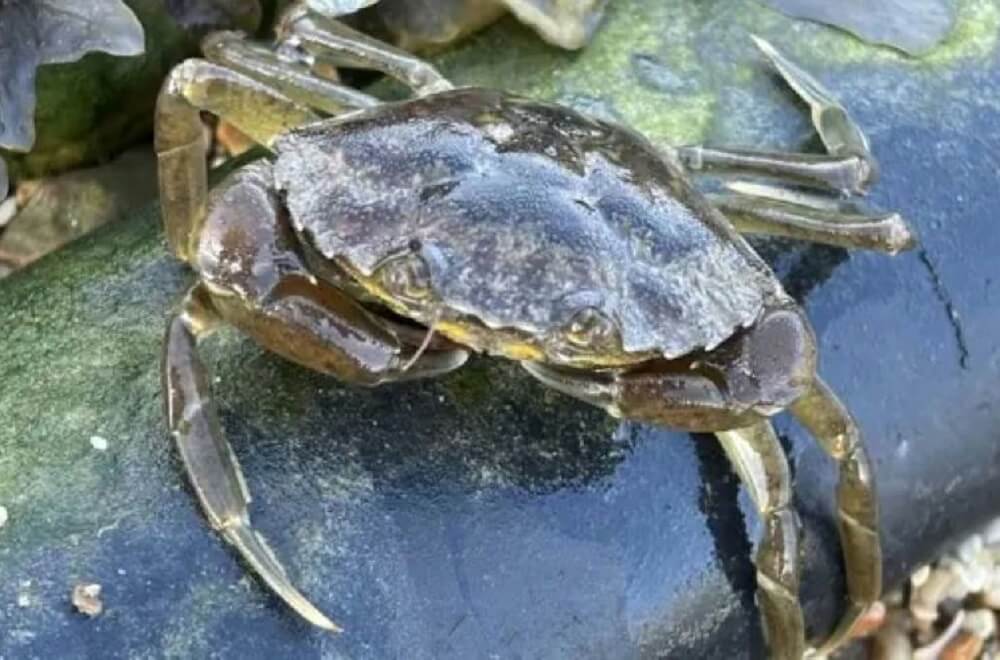
After exposing 120 common shore crabs (Carcinus maenas) to underwater EMFs, the researchers found that female crabs were nearly twice as likely to congregate in areas near EMFs. Male crabs, on the other hand, did not change their behavior in response to the EMFs and didn't demonstrate a preference between the areas affected by EMFs versus the unaffected areas.
Published in the journal Environmental Science & Technology Letters, the study is the first set of research to analyze "sex-specific responses" to underwater EMFs, according to Ph.D. student Elizabeth James, who led the study.
"The fact that we're seeing such clear behavioral differences between males and females, even at relatively low, as well as high electromagnetic field strengths, suggests that we need to think much more carefully about how offshore energy infrastructure might be affecting marine ecosystems differently than we previously thought," James said, per the University of Portsmouth article.
Why is the new research important?
While offshore wind farms supply clean energy, their underwater cables can negatively impact local marine life. The behavioral changes in female crabs could have major consequences for the crab population.
"If female crabs are drawn to stay near underwater cables instead of continuing their natural migrations, this could affect where they lay their eggs and ultimately impact crab populations along entire coastlines," the University of Portsmouth explained.
These changes don't only impact the crab population, though. When one species declines, it disrupts the entire balance of the ecosystem, triggering a domino effect that affects the whole food chain.
What's being done about the impact of underwater power cables on marine life?
James highlighted how her research findings underscore the importance of placing offshore wind farms in areas that won't impact crab migration paths. She also emphasized the need for additional research on how underwater EMFs affect both male and female marine species, as the impact can vary based on sex.
|
Do you worry about having toxic forever chemicals in your home?
Click your choice to see results and speak your mind. |
 Majorly 😥
Join our free newsletter for good news and useful tips, and don't miss this cool list of easy ways to help yourself while helping the planet.
TCD Picks » Upway Spotlight
💡Upway makes it easy to find discounts of up to 60% on premium e-bike brands





Cool Picks






