


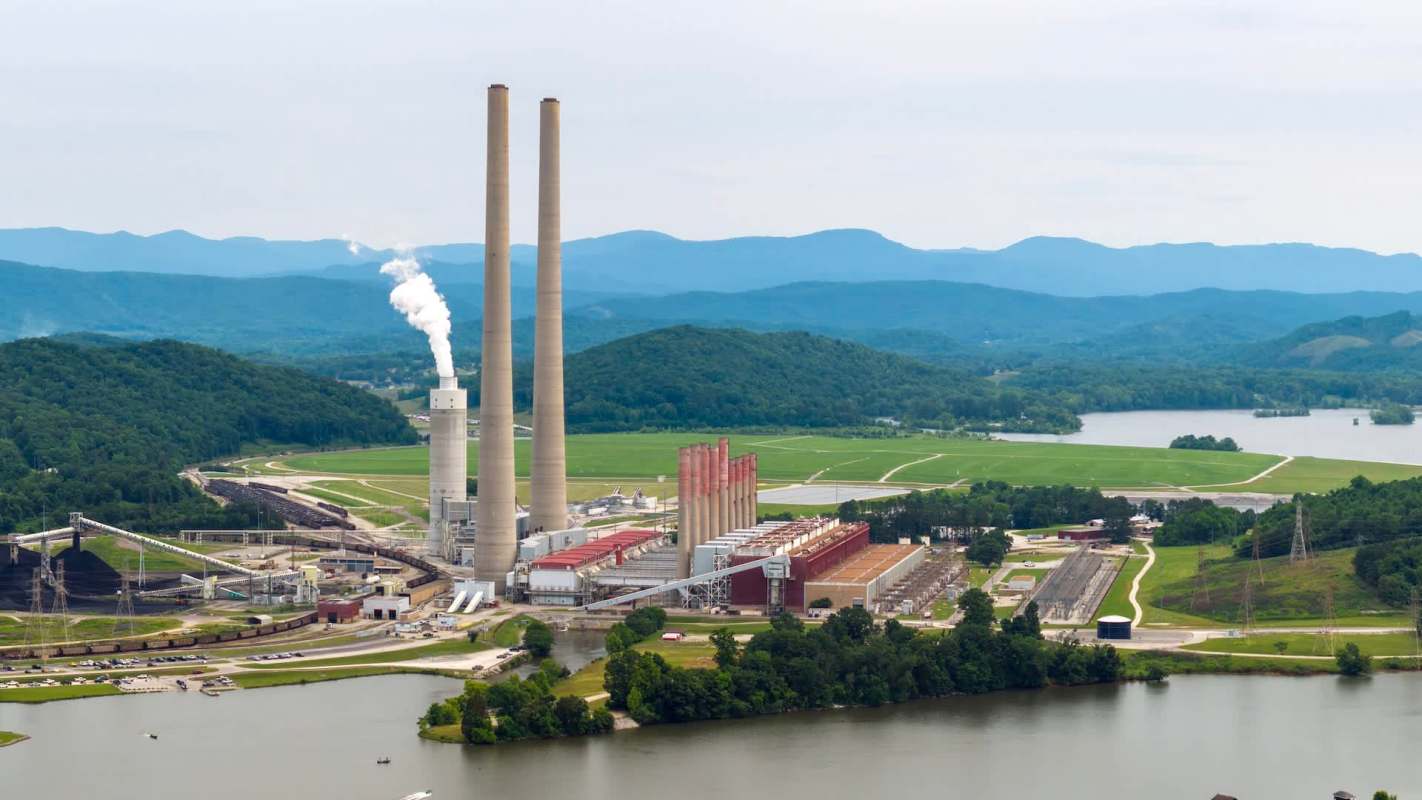
The Trump administration is moving to weaken federal wastewater protections for coal-fired power plants — a shift that could allow more toxic pollution to flow into streams, rivers, and drinking water sources, according to the Associated Press.
The proposed rollback targets a Biden-era Environmental Protection Agency rule designed to limit contamination from coal ash dumps, and advocates say the change could leave nearby communities more exposed to dangerous heavy metals.
What's happening?
The EPA announced that it wants to scale back a 2024 rule requiring coal plants to deal with contaminated groundwater leaking from coal ash storage sites.
According to the AP, that rule required plant owners to disclose groundwater contamination and, when pollution was found, pump and treat the water before sending it into nearby waterways. The compliance deadline was Dec. 31, 2029.
Now, the EPA says that the requirement is too costly and could speed up coal plant closures at a time when electricity demand is growing, particularly with the expansion of artificial intelligence data centers. The agency said the proposed change would cut power generation costs by up to $1.1 billion annually.
EPA Administrator Lee Zeldin said in a statement that the previous rule was too restrictive and that rolling it back would help make electricity "more affordable and reliable."
TCD Picks » Quince Spotlight
💡These best-sellers from Quince deliver affordable, sustainable luxury for all




Environmental groups strongly disagree.
Earthjustice attorney Thom Cmar said the proposal would "eliminate safeguards on hundreds of millions of pounds of wastewater with neurotoxins and cancer-causing contaminants" and allow coal plants to avoid cleaning up pollution that threatens drinking water supplies.
The EPA has said that as many as 104 coal plants may be polluting groundwater through uncontrolled runoff. The agency also said only seven plants were complying with the pump-and-treat requirement.
According to the AP, the agency had previously estimated that the 2024 rule would keep roughly 660 million to 672 million pounds of pollutants out of waterways each year and produce about $3.2 billion annually in public health benefits. It also said that the rule would raise the average household electricity bill by less than $3.50 per year.
Why is this concerning?
Coal ash pollution does not stay neatly contained on power plant property.
Coal ash, the waste left behind after coal is burned, can contain toxic heavy metals such as mercury, arsenic, and selenium. When those pollutants seep into groundwater and eventually reach rivers or lakes, they can threaten the water THAT people drink and the ecosystems that fish and wildlife rely on.
That makes this a public health issue as much as an environmental one. Earthjustice, as cited by the AP, has said that waterways expected to receive more pollution under the proposal are drinking-water sources for tens of millions of people.
Families living near coal plants — especially low-income communities and communities of color, which the EPA has previously said are disproportionately affected — could face the greatest risks.
The harm can also linger for years. Once contaminated groundwater spreads, it is difficult and expensive to clean up. If treatment requirements are weakened, local residents may be left depending on state regulators to step in, even though advocates say many states have been hesitant to use that authority aggressively.
What's being done about it?
For now, the rollback is still only a proposal — it is not yet final.
States can still investigate groundwater contamination and use federal clean water laws to require polluters to clean up affected sites, though that approach can be inconsistent.
More broadly, the most durable long-term solution is to reduce reliance on coal altogether. Replacing aging coal plants with cleaner power sources, such as wind, solar, and battery storage, can cut both water pollution and harmful air pollution while improving public health. Investments in grid upgrades and energy efficiency can also help meet rising electricity demand without doubling down on some of the dirtiest power sources.

Get TCD's free newsletters for easy tips, smart advice, and a chance to earn $5,000 toward home upgrades. To see more stories like this one, change your Google preferences here.







