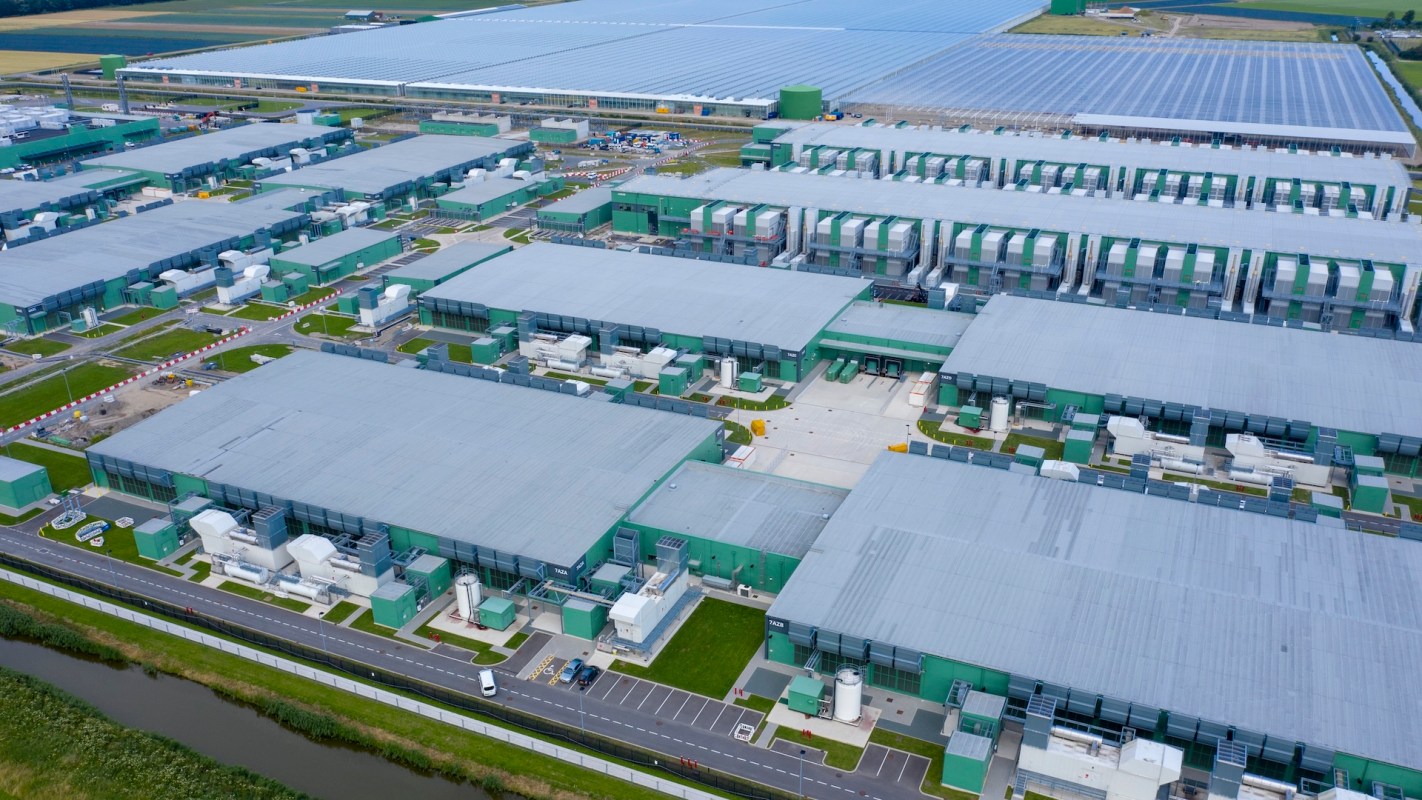
Big Tech's AI infrastructure boom is moving into a breathtaking new stage.
According to Blocknow, Amazon, Microsoft, Google, and Meta are expected to collectively spend $725 billion on AI infrastructure in 2026.
That is not just a massive technology story; it is increasingly a power-grid story, too. As companies scramble to build computing campuses, accelerator chips, network gear, and memory systems needed to keep pace with demand for AI tools and cloud services, significant energy will be required.
What's happening?
Per Blocknow, analysts now expect the four tech giants to spend about $725 billion on AI infrastructure in 2026, roughly 77% above the prior year's $410 billion. The number is so large that it exceeds Switzerland's annual gross domestic product.
The surge reflects an intensifying race to lead in AI services. Amazon is projected to spend roughly $200 billion, Microsoft and Alphabet are each near $190 billion, and Meta is bringing up the rear with a comparatively paltry $145 billion.
Even those eye-popping budgets may not fully satisfy demand.
TCD Picks » Quince Spotlight
💡These best-sellers from Quince deliver affordable, sustainable luxury for all




According to Blocknow, Microsoft told investors it expects tight capacity to continue throughout 2026 as it works to bring more infrastructure online. The company also said that its AI business is now expected to bring in $37 billion in annual revenue, up 123% year over year, underscoring how customer demand continues to outstrip supply.
The effects are spreading across the broader industry. Estimates put data centers at roughly 70% of global memory output. Morgan Stanley analysts, cited in Blocknow, estimated that Amazon could see nearly $17 billion in negative free cash flow this year as it keeps expanding its data center footprint.
Meanwhile, Goldman Sachs analysts predicted that total hyperscaler capital spending could climb as high as $755 billion in 2026. They also warned that spending on that scale could soak up nearly all operating cash flow across the sector this year, pushing companies to pull back on buybacks and dividends.
Why is Big Tech's AI spending concerning?
AI requires enormous numbers of servers, specialized chips, cooling systems, and warehouse-sized data centers that use huge amounts of electricity. As more of those facilities come online, they put added stress on power grids already facing rising energy demand, aging infrastructure, and more extreme weather.
When utilities need to meet fast-growing electricity demand on short notice, the quickest solution is not always the cleanest one. In some areas, that can mean keeping older coal, oil, or gas plants running longer, delaying planned retirements, or adding new gas-fired power capacity. The result could be more heat-trapping pollution, slower progress on clean energy, and potentially higher electricity bills for homes and businesses on the same grid.
Water is another major issue. Many data centers rely on water-intensive cooling systems, which can strain local supplies, especially in drought-prone regions. These cooling systems often produce unrelenting noise pollution that torments local residents. Even with cooling, these massive data centers still generate significant heat that could alter local climates.
While the AI boom comes with numerous downsides, it's not all bad. AI could deliver real benefits, including improved healthcare, increased crop yields, and advances in scientific research.
What's being done about AI's power demand?
Tech companies and utilities are beginning to respond, though the speed of AI growth is making that difficult.
One major strategy is to pair new data center development with more renewable electricity, battery storage, and transmission upgrades so that rising AI demand does not automatically translate into increased reliance on coal, oil, or gas.
Companies are also investing in more efficient chips, improved cooling systems, and software that can squeeze more computing work out of the same hardware. At hyperscale, even modest efficiency gains can produce enormous energy savings.
Local communities can make a difference by supporting policies that expand renewable energy and modernize the grid, pushing utilities and officials for transparency when major data centers are proposed, and backing leaders who prioritize reliable, lower-cost clean power.
The question is not whether AI will shape the grid. It already is. The real challenge is making sure that growth does not come at the expense of communities, natural resources, and a cleaner energy future.

Get TCD's free newsletters for easy tips, smart advice, and a chance to earn $5,000 toward home upgrades. To see more stories like this one, change your Google preferences here.