


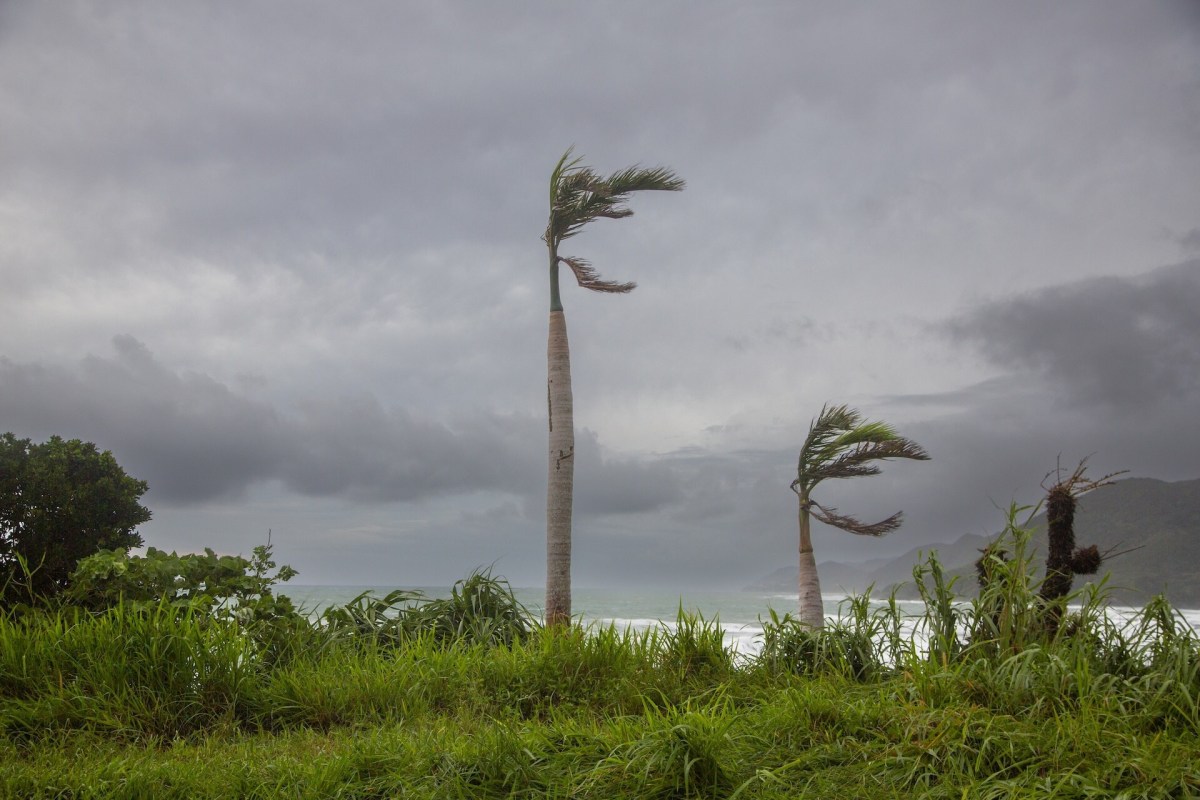
Tropical Cyclone Gezani killed at least 31 people after slamming into Madagascar's eastern coast this week, leaving thousands without homes and a major city in ruins, reported the AP News.
What's happening?
Gezani tore through Toamasina, a port city of about 300,000 on the island's east side, late on Tuesday with wind speeds topping 121 mph. Collapsing buildings accounted for a large share of the fatalities, according to the national disaster management agency. Another 36 people sustained serious injuries, four remain unlocated, and upward of 6,000 had to abandon where they lived.
According to the president's office, about three-quarters of Toamasina's built environment was wrecked. Electricity has not returned to the city since Tuesday.
"It's devastation. Roofs have been blown away, walls have collapsed, power poles are down, trees have been uprooted. It looks like a catastrophic landscape," said Michel, a Toamasina resident who declined to provide his surname, by phone.
After crossing the island, Gezani lost intensity but could strengthen again in waters separating Madagascar from the African mainland, with forecasts warning it may loop back to hit the island's southwestern coast. Mozambique, still reeling after floods displaced over 700,000 residents last month, put three coastal provinces on alert.
This is the second cyclone to strike Madagascar in two weeks. Tropical Cyclone Fytia arrived Jan. 31, killing 14 and forcing more than 85,000 people from their homes.
Why are worsening cyclone seasons concerning?
Madagascar ranks as Earth's fourth-biggest island, with a population of 31 million. Most of its people are low-income, and homes across the country offer minimal defense against severe weather.
Cyclones typically barrel through between November and March, giving communities almost no breathing room to piece things back together between hits.
The island has endured upward of 12 cyclones and tropical storms since 2020. The United Nations Office for Disaster Risk Reduction puts the yearly toll on roads, buildings, and other structures at an estimated $85 million, according to the AP, hobbling the country's path toward economic progress.
When storms flatten homes and cut electricity for days, the health and economic toll falls hardest on those with the fewest resources to bounce back. That threatens public safety and stability across the region.
TCD Picks » Upway Spotlight
💡Upway makes it easy to find discounts of up to 60% on premium e-bike brands
What's being done about worsening cyclone seasons?
Ahead of the storm, the U.N. deployed $3 million in emergency aid to help Madagascar prepare. International aid groups are providing shelter, clean water, and medical support.
Donate to relief organizations working in Madagascar, such as the International Federation of Red Cross and Red Crescent Societies or UNICEF. Support groups that are pushing for climate adaptation funding for island nations. Contact your elected officials and push for disaster preparedness programs that help countries like Madagascar build sturdier infrastructure and warning systems.
|
What's the most you'd pay per month to put solar panels on your roof if there was no down payment?
Click your choice to see results and speak your mind. |
 $200 or more 💰
Get TCD's free newsletters for easy tips to save more, waste less, and make smarter choices — and earn up to $5,000 toward clean upgrades in TCD's exclusive Rewards Club.
Cool Picks






