


Animal trafficking is an issue around the globe, but some authorities are fighting back, as evidenced by one incident on a bus in Brazil.
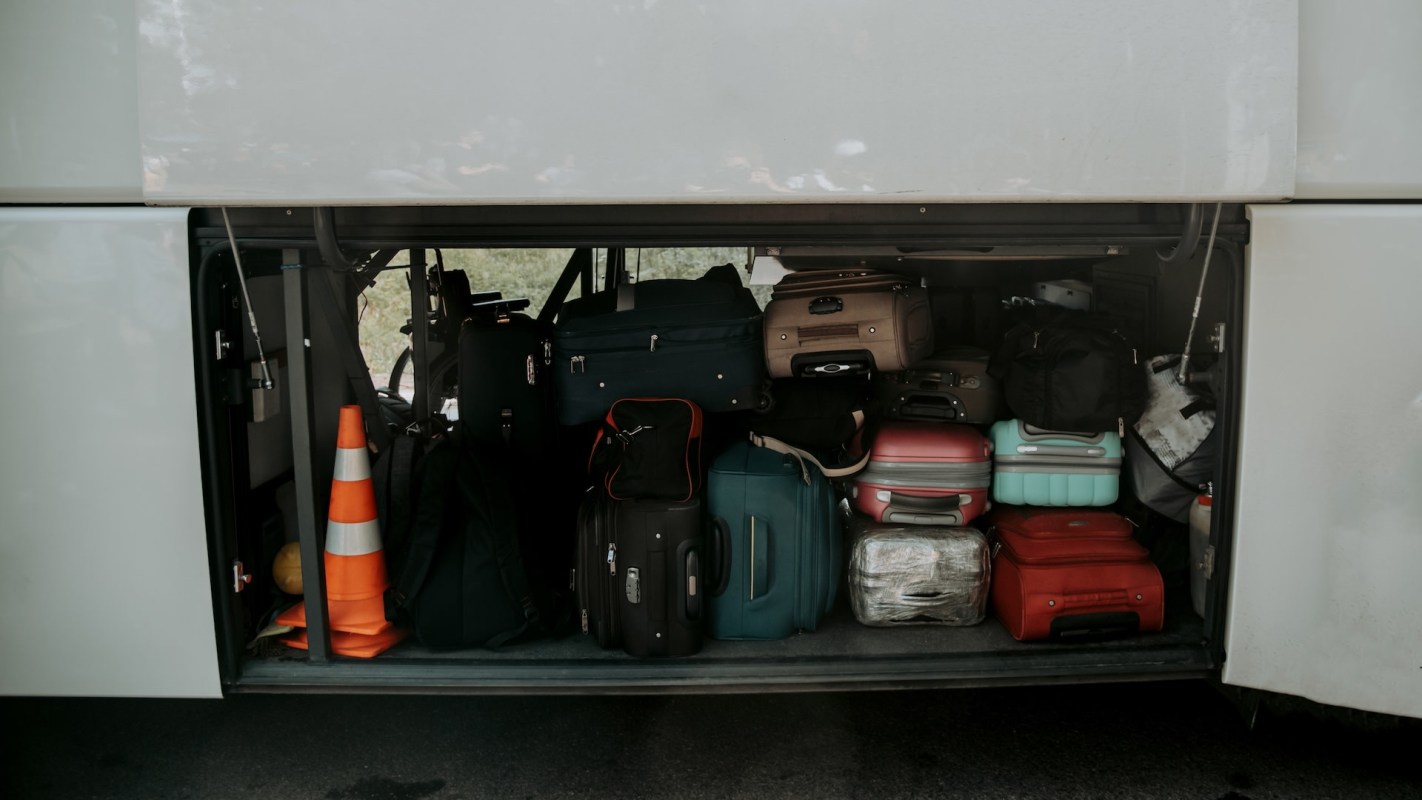
According to Need to Know, a man on his way to just outside Rio de Janeiro was caught smuggling 600 red-footed hatchling tortoises. The bus was stopped in Teresópolis for a security inspection on July 31.
What's happening?
When questioned, he told police officers he had never smuggled animals before, but he had been arrested for animal smuggling in 2015.
According to the Federal Highway Police, via Need to Know, each red-footed tortoise is worth about $128 on the black market, and they are frequently targeted by smugglers because of their color and calm nature.
Sadly, many of the tortoises died because of the conditions in which they were being transported. It's unclear what happened to the remaining tortoises. The case has been handed over to the Environmental Protection Police in Rio de Janeiro.
Why is animal trafficking concerning?
The red-footed tortoise, native to South America, is not native to Brazil. They can grow to 22 lbs and reach 12-16 inches in length.
While not all non-native species are invasive, the ones that are can be detrimental to the local environment. Invasive species typically enter new places through human activity. They compete for resources with native species and can usually spread quickly. They can even cause some native species to become extinct, which can have severe consequences on the ecosystem. It requires a balance, and if one goes extinct, it can put others in danger, too, that rely on it for food or shelter.
Additionally, invasive species can harm the economy by damaging crops and livestock. It costs $20 billion a year to assess the damages.
Some invasive species can even carry diseases. Take the Asian tiger mosquito, for instance. It entered the U.S. in the mid-1980s, originally from northern Asia, and it can carry diseases such as West Nile virus.
What's being done about animal trafficking?
While authorities are doing their best to catch animal smugglers like this, the U.S. has moved to protect pangolins, the most trafficked mammal. International trade of these animals has been illegal since 2016. However, they are still hunted for their scales and their meat. The U.S. Fish and Wildlife Service has added the mammal to the Endangered Species List.
TCD Picks » Quince Spotlight
💡These best-sellers from Quince deliver affordable, sustainable luxury for all




You can also use your voice to help more actions like this happen to protect these vulnerable species.
|
Should everyone have access to free curbside recycling? Click your choice to see results and speak your mind. |
 Yes 👍
Yes 👍 
Join our free newsletter for good news and useful tips, and don't miss this cool list of easy ways to help yourself while helping the planet.
Cool Picks






