


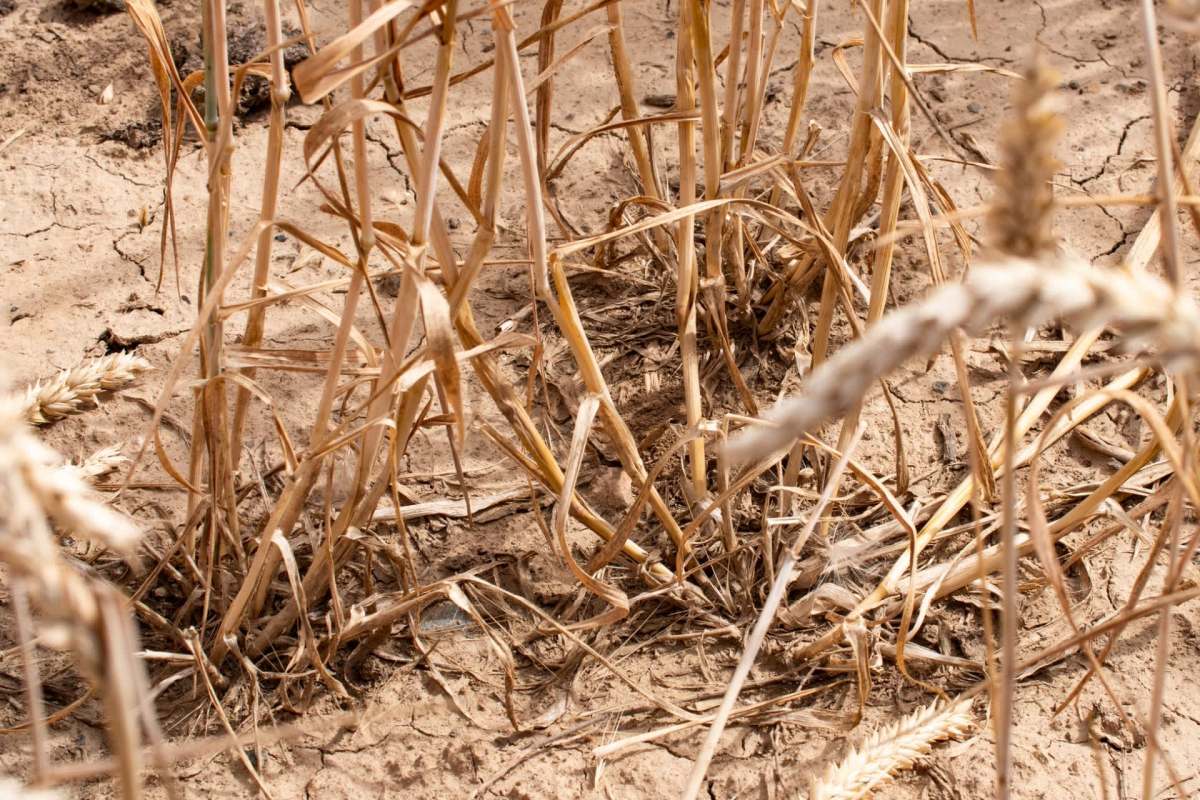
Syria is experiencing its worst drought in nearly four decades, and farmers say their fields are turning barren. One farmer is harvesting under half of his typical yield and is unable to afford necessities. Aid groups warn that the losses from the drought will worsen the country's already severe hunger crisis.
What's happening?
The BBC reported that farmer Maher Haddad in Hama province harvested just 190 kg (418.8 lbs) per dunum this year, compared to the 400-500 kg (881.8-1,102.3 lbs) he normally relies on, and he struggled to feed himself and his children.
Nationwide, wheat production has dropped by 40%, which led to a shortfall of 2.73 million tonnes — enough to feed 16 million people, according to the U.N.'s Food and Agriculture Organization (FAO).
To add to that, the World Food Programme says that more than 14 million Syrians are struggling to eat enough, 9.1 million are in acute hunger, and 1.3 million people are experiencing severe conditions. Pregnant women and children are increasingly malnourished, and families are borrowing money just to buy bread, while rural households are selling off livestock while also eating fewer meals.
How is extreme weather a factor?
The collapse of Syria's wheat harvests is tied directly to extreme weather. According to the BBC, rainfall has dropped by nearly 70% this year and crippled three-quarters of the country's rain-fed farmlands. Extended dry spells like this drought, or megadroughts, are becoming more frequent and more severe, which scientists link to increasing global temperatures and shifts in rainfall patterns. These weather extremes make it harder for farmers to predict planting seasons or sustain crops, especially when they lack access to reliable irrigation.
"This is the difference between families being able to stay in their communities or being forced to migrate," said Piro Tomaso Perri, FAO's senior program officer for Syria, according to the BBC. "For urban households, it means rising bread prices. For rural families, it means the collapse of their livelihoods."
The BBC report noted that Syria's cereal harvest is expected to be 60% below average this year, cutting deeply into national reserves.
What's being done about the crisis?
The World Food Programme has provided $8 million in direct aid to small farmers who lost their crops, the BBC reported, and FAO is calling for $286.7 million under its Emergency and Recovery Plan of Action for 2025-2027, according to other reports. Aid officials told the BBC that the goal is to keep farmers from abandoning their land.
The FAO also notes that investment in irrigation projects, including solar-powered systems, is needed to help stabilize the yields, but requires time and more funding to come to fruition.
|
What is the biggest reason you don't grow food at home? Click your choice to see results and speak your mind. |
 Not enough time ⏳
Join our free newsletter for good news and useful tips, and don't miss this cool list of easy ways to help yourself while helping the planet.
TCD Picks » Quince Spotlight
💡These best-sellers from Quince deliver affordable, sustainable luxury for all




Cool Picks




