


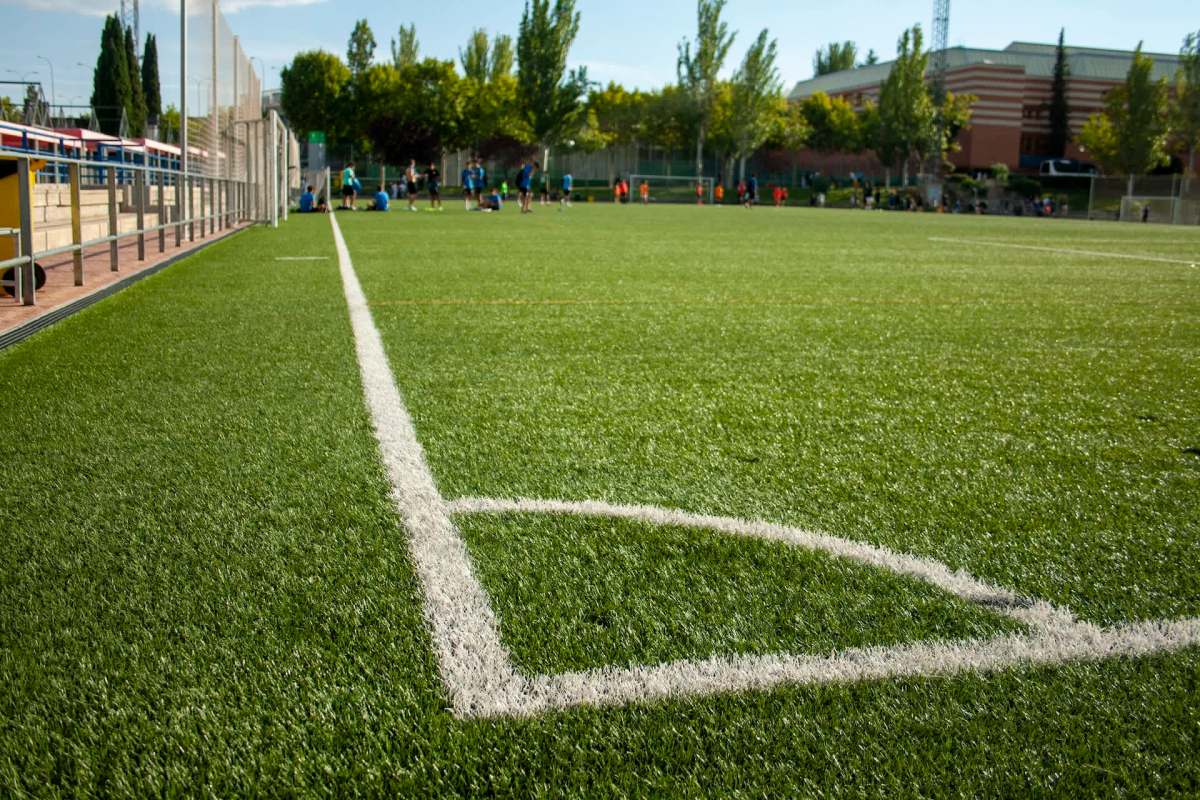
Across the United States, grass fields are increasingly being replaced with artificial turf — but a growing number of residents, scientists, and athletic coaches are warning that these plastic playing surfaces may be doing more harm than good
According to The New York Times, cities and schools began adopting synthetic turf for its durability and the promise of year-round play, with more than 19,000 fields installed nationwide as of 2023.
Many praise fake turf as a low-maintenance grass alternative, but critics say the reality is more complicated.
Synthetic fields can cost more than $1 million to install, often require expensive repairs after inclement weather, and must be replaced after several years. Fake turf's finite lifespan often comes as a shock to many communities, which neither expected nor planned for replacement costs.
The material itself also poses risks. Made from plastic blades and infill — historically manufactured from shredded tires — synthetic turf can expose children to toxic chemicals, such as PFAS, and harmful microplastics.
Public health experts warn that artificial turf fields can contain harmful substances linked to higher rates of cancer and reproductive issues, while coaches report that players often suffer burns and scrapes from the overheated surface.
Particularly on hot summer days, fake turf has been found to run 50 degrees hotter than nearby grass. Furthermore, synthetic fields break down into microplastics that pollute local waterways.
On the other hand, natural lawns are better for young athletes, communities, and the planet, both on the playing field and at home.
Planting native grasses, such as clover and buffalo grass, or incorporating xeriscaping and rain gardens into a yard or landscape, not only saves time and money on maintenance but also benefits the local ecosystem.
Upgrading yards and green spaces in this way also supports pollinators, which are essential to the food supply. Replacing even a small part of a lawn with native plants offers significant benefits.
TCD Picks » Quince Spotlight
💡These best-sellers from Quince deliver affordable, sustainable luxury for all




|
Do you think the government should ban gas-powered lawn tools? Click your choice to see results and speak your mind. |
 No way 🙅
 "We know the chemicals are there, we know the chemicals are toxic, and we know that these chemicals have adverse health effects," Rachel Massey, a researcher at the Lowell Center for Sustainable Production at the University of Massachusetts Lowell, said of artificial turf.
"What our kids need is not more plastic," local soccer coach Amy McCambridge remarked. "They need a place that breathes."

Join our free newsletter for good news and useful tips, and don't miss this cool list of easy ways to help yourself while helping the planet.
Cool Picks




