


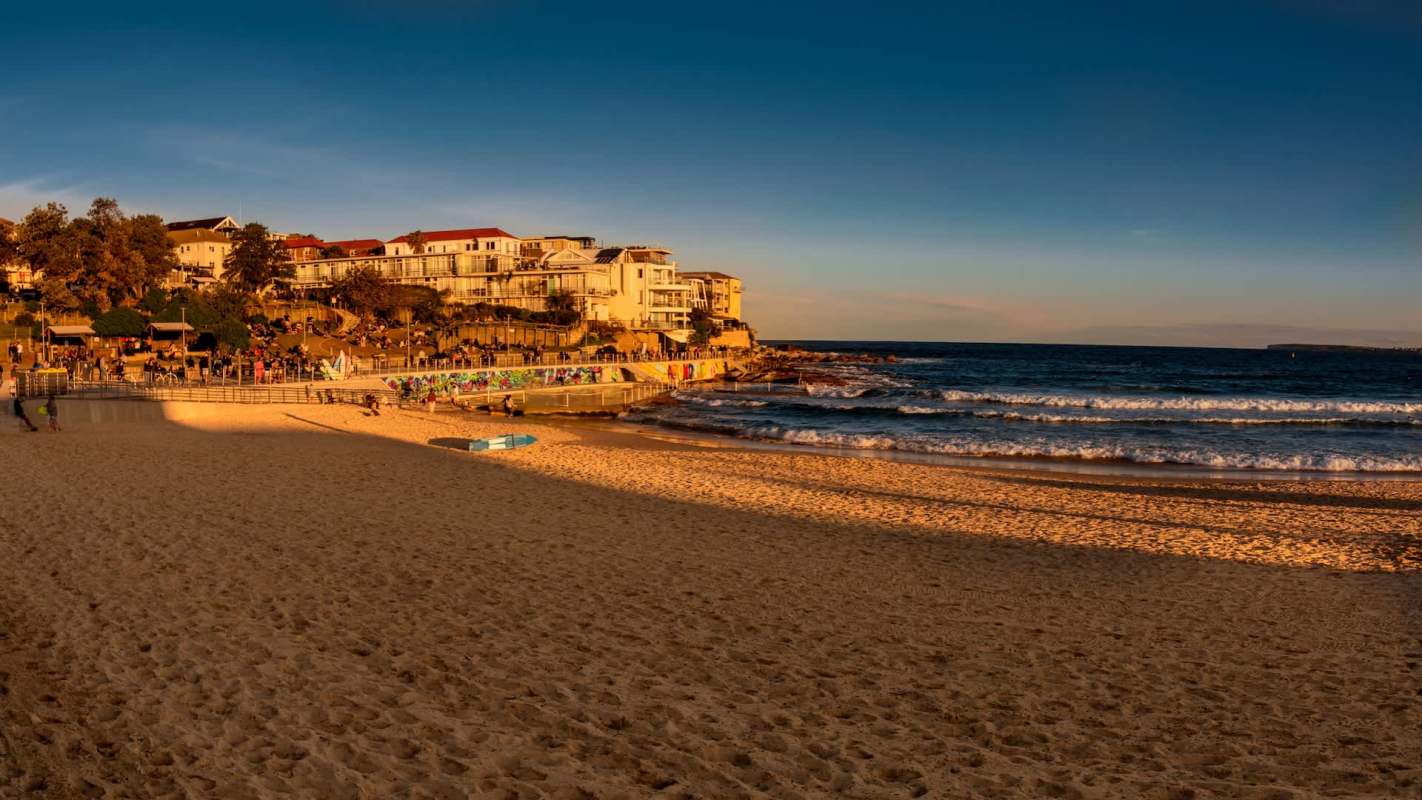
After Australian wastewater plants were flagged last year for releasing alarming amounts of microplastics into Sydney's environment, unable to filter the tiny plastics out, new research suggests the problem is accelerating, with plastic pollution rising sharply and posing growing risks to human health and local ecosystems.
What's happening?
Microplastic pollution along Sydney's beaches and shoreline waterways has tripled over the past three years, according to new research by the Australian Microplastic Assessment Project (AUSMAP). Based on seven years of citizen-led surveys, the research found an average of more than 1,000 microplastic particles per square meter of shoreline sand, up from 300 in previous years.
Polystyrene and hard plastic fragments made up 50-90% of all microplastics found in samples, with additional pollution traced to industrial resin pellets, clothing fibers, and waste from synthetic turf fields.
"It's an indication where there are thousands and thousands of pieces of microplastic," Jeff Angel, the director of the Total Environment Centre, which runs AUSMAP, wrote in the report. "These plastics are no longer 'invisible' and are exposed in this report both in a physical sense and by demanding the attention of governments."
Why is microplastic pollution concerning?
Unlike organic waste, plastic never really goes away. It just breaks down over hundreds of years into smaller particles that live on in water, soil, air, and even plants and animals, making their way into food systems and ultimately human bodies.
Wildlife often mistake plastics for food — like one cow in Kenya that had eaten more than 75 pounds of plastic — leading to injury or death, while microplastic fragments can transport toxic PFAS.
Research has linked microplastics to inflammation, hormone disruption, and potential cardiovascular risks, according to Stanford Medicine. Communities like Sydney, near polluted waterways and coasts, face higher exposure through seafood consumption and drinking water, and local marine ecosystems and coral reefs also take a hit.
What's being done about this pollution?
New South Wales has taken steps to reduce plastic waste, with its Environmental Protection Agency reporting a 30% reduction in plastic pollution by 2025 under the government's Plastics Plan 2.0, according to ABC reporting. The plan targets common sources of microplastics and will phase out expanded polystyrene packaging by 2027. New washing machines sold in NSW will also be required to meet microfiber filter standards starting in 2028.
Scientists are developing improved filtration systems to capture microplastics before they enter waterways, and experts say safer substitute materials, such as compressed cardboard instead of polystyrene foam, are already viable alternatives.
Still, critical gaps remain from some of the largest producers of plastic, particularly around construction waste and styrofoam use.
TCD Picks » Upway Spotlight
💡Upway makes it easy to find discounts of up to 60% on premium e-bike brands


"It signals a total lack of imagination by this government," said Jacqui Munro, a member of the NSW Legislative Council.
|
Which of these savings plans for rooftop solar panels would be most appealing for you?
Click your choice to see results and speak your mind. |
 Save $1,000 this year 💸
Get TCD's free newsletters for easy tips to save more, waste less, and make smarter choices — and earn up to $5,000 toward clean upgrades in TCD's exclusive Rewards Club.
Cool Picks






