


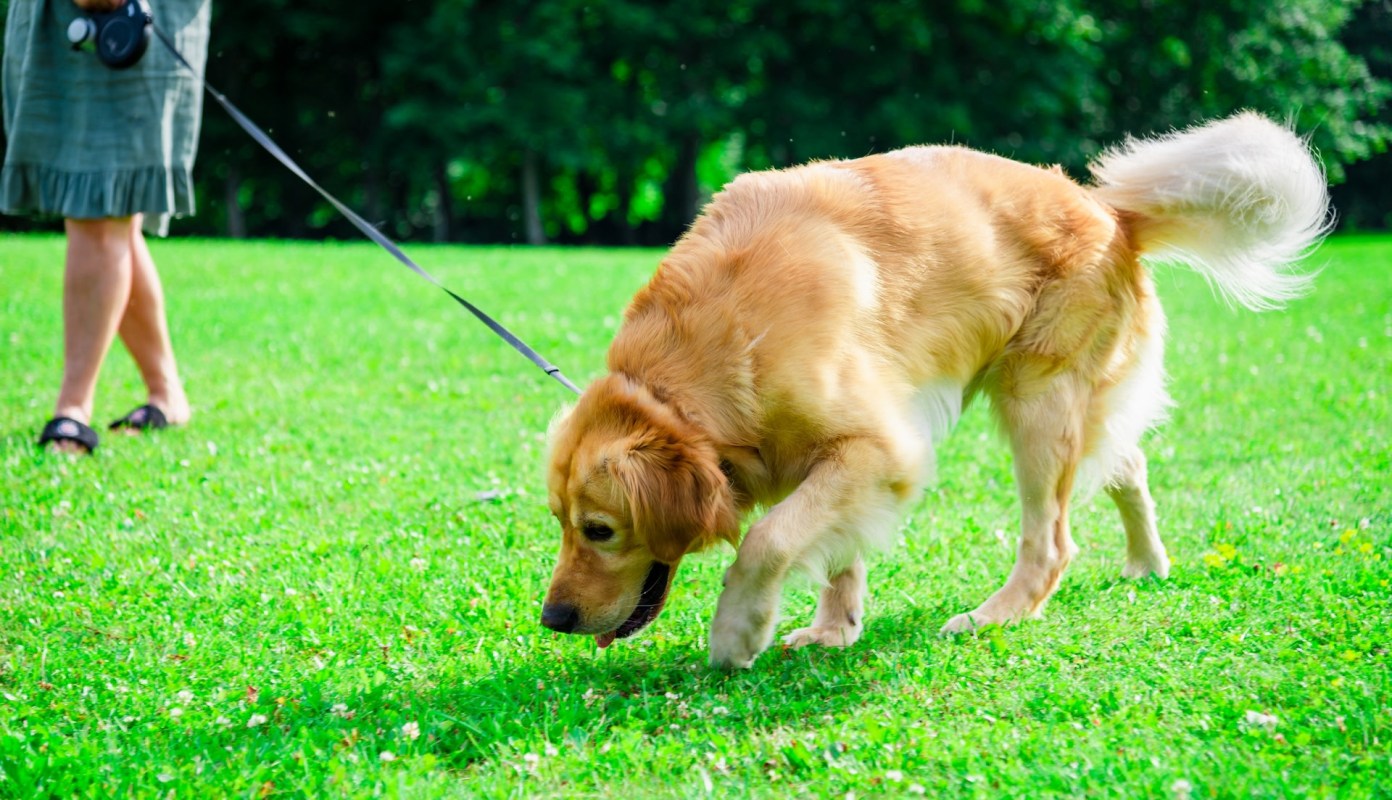
Volunteer dog-handler teams of everyday people and their pets have now joined the fight against the spotted lanternfly, which is wreaking havoc in forests, on farms, and in neighborhoods across the United States.
According to a news release from Virginia Tech, a study newly published in the journal PeerJ and led by the institute shows that community scientists and their dogs can successfully sniff out the invasive insect's hard-to-spot eggs.
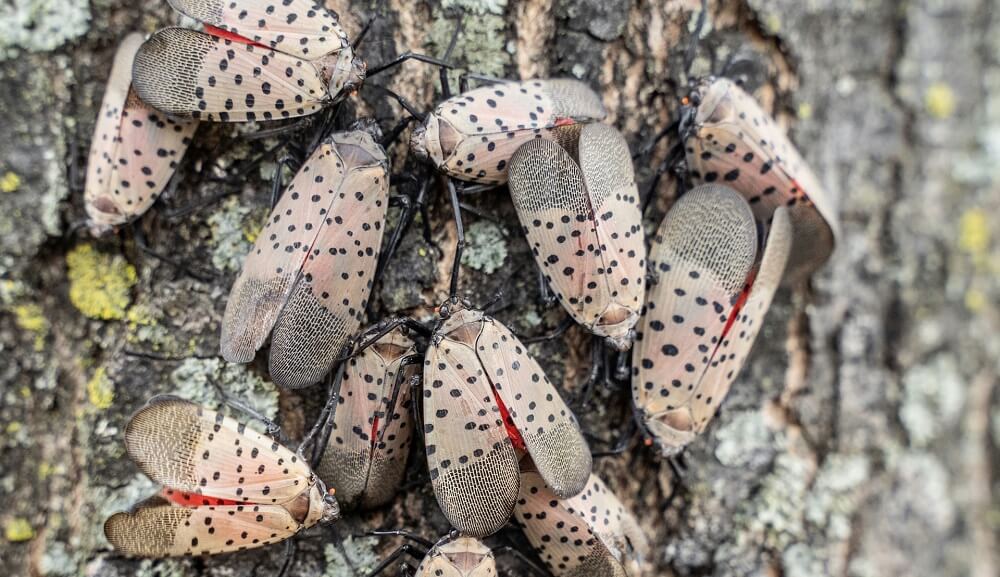
The findings of this research demonstrate that canine scent work could increasingly be a promising tool in tackling spotted lanternflies, which can spread quickly and disrupt ecosystems.
The flies are native to Asia and are currently directly impacting 19 states across the U.S., according to the Department of Agriculture. When they feed, the insects excrete a sticky fluid that can attract other bugs and cause mold, damaging crops and native plant species.
According to Virginia Tech, spotted lanternflies often lay their essentially camouflaged eggs in hidden nooks and crannies — in tree bark, vehicles, and buildings — so early detection is difficult for humans working on their own. But researchers found that dogs can locate egg masses with their strong sense of smell and without disturbing the environment.
Over 180 volunteer dog-handler teams from across the U.S. participated in the study, in which dogs were trained using non-hatching egg masses. In testing conditions, the dogs correctly identified the egg masses 82 percent of the time. In real-world conditions, their success rate was 61 percent.
While costly professional detection dogs have been known to achieve a high level of accuracy themselves, this study appears to be the first to demonstrate that pet canines — training at home for as little as 15 to 30 minutes two to three times a week over a period of six months — could achieve comparable results and play a significant role in protecting local ecosystems.
"These teams demonstrated that citizen scientists and their dogs can play a meaningful role in protecting agriculture and the environment from invasive species," lead author Sally Dickinson said.
Members of the same research team previously conducted a separate study, per the release, in which they found that pet dogs trained to detect powdery mildew — a risk to vineyards — could do so with over 90 percent accuracy.
"What Sally's study shows is that this can be more than a hobby — these citizen scientists and their dogs can be a valuable resource for fighting the spread of an invasive pest," praised co-author and animal behaviorist Erica Feuerbacher.
TCD Picks » Quince Spotlight
💡These best-sellers from Quince deliver affordable, sustainable luxury for all




Enjoy getting out and about anyway? Looking for some meaningful motivation to exercise with your pet? These volunteers and their dogs have shown that taking local action against invasive species can be a paw-sitive experience for everyone involved.
|
Do you think America does a good job of protecting its natural beauty? Click your choice to see results and speak your mind. |
 Definitely 👍
Join our free newsletter for good news and useful tips, and don't miss this cool list of easy ways to help yourself while helping the planet.
Cool Picks






